Physical Address
304 North Cardinal St.
Dorchester Center, MA 02124
Physical Address
304 North Cardinal St.
Dorchester Center, MA 02124
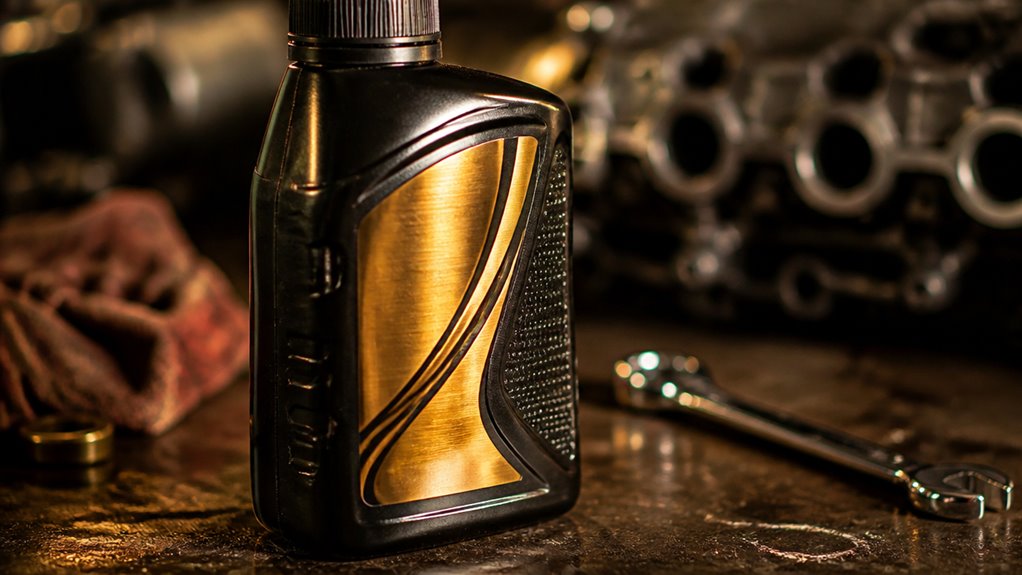
You’ll need to check the specific viscosity grade and batch to confirm if Pennzoil Ultra Platinum is Dexos1 certified, as not all its bottles carry this approval.
Grades like 0W-20 and 5W-20 often have documented Dexos1 or Gen 2 certification, while 5W-30 and 10W-30 show mixed or missing approvals.
Look for the GM Dexos1 logo on the label and verify with technical datasheets or official support.
Understanding these nuances can clarify how this impacts your engine’s maintenance and performance requirements.

Wondering if Pennzoil Ultra Platinum is dexos approved? The answer depends on the specific viscosity grade and product batch.
Not every bottle across the Ultra Platinum line carries GM dexos1 certification. For example, some 0W-20 and 5W-20 grades have documented dexos1 Gen 2 approval, while 5W-30 Ultra Platinum shows conflicting data. Some sources confirm certification, others deny it.
You must check the bottle’s front or back label for the dexos1 logo and verify exact viscosity and manufacturing date. Technical datasheets often list GM specifications like 6094M and dexos1 license codes for certain Ultra Platinum variants, but this isn’t universal.
Notably, Pennzoil Ultra Platinum oils are natural gas-based full synthetic formulations designed for enhanced engine cleaning and temperature stability.
Understanding the nuances of dexos approval for Pennzoil Ultra Platinum helps clarify what this certification means for your vehicle’s performance and maintenance compliance.
Dexos approval indicates the oil meets General Motors’ strict standards for engine protection, efficiency, and emissions control. However, approval isn’t universal across all Ultra Platinum grades, so you must verify the specific product.
When considering dexos-approved Ultra Platinum, keep these points in mind:
Certification varies by viscosity grade. The 0W-20 and 5W-20 grades are more commonly approved than others.
Only products displaying the GM dexos1 logo on the bottle guarantee compliance.
Approval status can affect your GM coverage eligibility.
Technical datasheets and manufacturing dates help confirm current certification validity.
This assures you select the right oil for both performance and coverage safety.
Using a dexos-certified oil also ensures advanced additive technology and base oil quality for optimal engine protection under varied driving conditions.
Which Pennzoil Ultra Platinum grades carry dexos certification depends largely on the specific viscosity and product formulation.
You’ll find that 0W-20 and 5W-20 Ultra Platinum grades have documented GM dexos1 or dexos1 Gen 2 certification in technical datasheets and distributor listings.
The 5W-30 grade shows mixed evidence; some sources confirm dexos1 approval while others indicate no current certification, reflecting possible reformulation or market variation.
Older 10W-30 Ultra Platinum versions tend to lack consistent dexos certification, often referencing broader GM specs instead.
When verifying dexos status, check the exact viscosity grade, manufacturing date, and label claims on your bottle.
Certification can change with product revisions, so rely on current product data sheets rather than assuming uniform approval across the Ultra Platinum line.
Using oils that meet the Dexos performance standards ensures compatibility and optimal protection for GM engines.
The variation in dexos approval across Pennzoil Ultra Platinum viscosities stems from differences in formulation requirements and GM’s evolving certification standards. You’ll find that not every viscosity grade meets the exact specifications GM demands for dexos1 approval. Each grade must pass rigorous performance tests tailored to that weight and engine application.
Key reasons for variation include:
Differences in additive packages and base oil blends by viscosity.
Updates in GM’s dexos1 certification criteria over time.
Market-specific formulations affecting approval status.
Timing of product reformulations impacting compliance.
When choosing Ultra Platinum, verify the label’s dexos logo and technical datasheet for your specific viscosity. Only then can you be sure the oil meets GM’s current dexos1 certification, ensuring compliance coverage and engine protection. Additionally, Pennzoil’s reliance on base oils sourced from Shell influences its formulation consistency across viscosities.
Although both Pennzoil Ultra Platinum and Platinum aim to meet GM dexos1 standards, you’ll find that Platinum generally offers more consistent and well-documented dexos1 certification across its product range.
Ultra Platinum’s dexos approval varies by viscosity; for example, 0W-20 and 5W-20 grades often show dexos1 certification, but 5W-30 has conflicting documentation.
In contrast, Platinum’s entire lineup is more reliably certified, supported by clear product datasheets and labeling.
You shouldn’t assume all Ultra Platinum bottles carry dexos1 approval without checking specifics like viscosity, batch, and manufacturing date.
Platinum simplifies this by maintaining a stable certification presence.
If dexos1 compliance is critical, Platinum’s credentials offer greater certainty while Ultra Platinum requires careful verification of each product’s current approval status.
It is important to remember that using oils without proper dexos1 certification can lead to reduced engine protection and potential coverage issues.
When verifying dexos approval on Pennzoil Ultra Platinum bottles, you’ll need to examine specific label details rather than relying on the product name alone. Approval varies by viscosity grade and packaging date, so look closely for official certification marks.
Here’s what to check:
Presence of the GM dexos1 logo on the front or back label, indicating certification.
Exact viscosity grade (e.g., 0W-20, 5W-20, 5W-30) matching dexos-approved listings.
Label wording such as “certified,” “approved,” or “meets requirements” for dexos1 standards.
Manufacturing date and product code to confirm alignment with current technical datasheets and license status.
These steps guarantee you accurately identify dexos approval on your Ultra Platinum bottle and avoid assumptions based solely on branding. Pennzoil’s compliance with industry specifications like ILSAC GF-6 and API SP ensures its oils meet stringent performance and protection standards required for dexos certification.
If your Pennzoil Ultra Platinum bottle lacks dexos approval, don’t assume it fails GM’s performance standards outright.
Approval varies by viscosity grade, batch, and manufacturing date. First, verify if your vehicle’s manual specifically requires dexos certification or just GM-approved oils.
If dexos is mandatory, consider switching to a clearly certified Pennzoil Platinum or another dexos1-licensed oil matching your engine’s viscosity needs.
You can also consult the latest technical datasheets or contact Pennzoil customer support for your exact product code’s status.
Using a non-dexos-certified Ultra Platinum may still meet many GM specs but could risk policy compliance if dexos is explicitly required.
Always prioritize oils with current, verifiable dexos logos for GM specification assurance and optimal engine protection.
For extended protection, consider oils known for longer oil change intervals to maximize engine life and maintenance convenience.
Pennzoil updates Ultra Platinum formulations periodically, typically every few years or when new industry standards emerge.
You’ll notice changes aligning with evolving OEM requirements, emission regulations, or performance improvements.
These updates aren’t on a fixed schedule but respond to market demands and certification needs.
To track specific formulation changes, you should compare technical datasheets by date or check product revision codes on the packaging.
This ensures you get the latest version matching your vehicle’s specs.
Using non-dexos oil in your GM vehicle can be like walking a tightrope without a safety net. It risks voiding your warranty.
GM requires dexos-certified oils to guarantee engine protection and emissions compliance. If you don’t use an approved oil, GM might deny warranty claims related to engine damage.
Always check for the dexos1 certification on your oil’s label to keep your warranty intact and protect your engine’s longevity.
Yes, you’ll find regional differences in Pennzoil Ultra Platinum dexos approvals.
Certifications can vary by market, batch, and packaging date due to reformulations or licensing changes.
For example, a 5W-30 bottle approved in one country might lack dexos status elsewhere.
Always check your specific bottle’s label and technical datasheet to confirm current approval.
GM dexos certification isn’t universally consistent across all regions or product versions.
Dexos approval guarantees your engine oil meets GM’s strict standards for wear protection, deposit control, and fuel efficiency.
Using dexos-approved oil helps maintain peak engine cleanliness and performance, reducing sludge buildup and extending engine life.
It also supports emissions system compatibility.
If you use oil without dexos approval, you risk compromised engine durability and potential warranty issues.
Always verify your oil’s certification to protect your engine’s performance and longevity.
You can find official Pennzoil dexos certification documents on the GM website’s licensed oils list, which tracks current dexos1 and dexos2 approvals.
Additionally, check Pennzoil’s technical datasheets for each viscosity grade on their official site. These often include GM license codes and certification details.
About 70% of Pennzoil Ultra Platinum variants have appeared with dexos1 certification in distributor listings.
Always confirm with the latest datasheet and bottle labeling for accuracy.
When choosing Pennzoil Ultra Platinum, knowing its Dexos approval is like having a precision instrument in your hands. It ensures peak engine protection and fuel efficiency.
Not all grades carry Dexos certification, so check the label carefully. If your Ultra Platinum isn’t Dexos approved, you might want to weigh a different viscosity or product that meets these rigorous standards.
Staying informed helps you maintain your engine’s health with exacting confidence.