Physical Address
304 North Cardinal St.
Dorchester Center, MA 02124
Physical Address
304 North Cardinal St.
Dorchester Center, MA 02124

If you prioritize detailed filtration data and proven durability, Wix oil filters give you a clear edge with published micron ratings and beta ratios. They offer up to 99% dirt-trapping efficiency.
Their silicone anti-drainback valves and synthetic-blend media enhance cold-start protection and longevity, especially under severe conditions.
AC Delco lacks transparent specs and mainly appears in cross-reference listings, offering less insight into performance.
For a data-driven choice tailored to demanding driving, keep exploring how each brand stacks up.
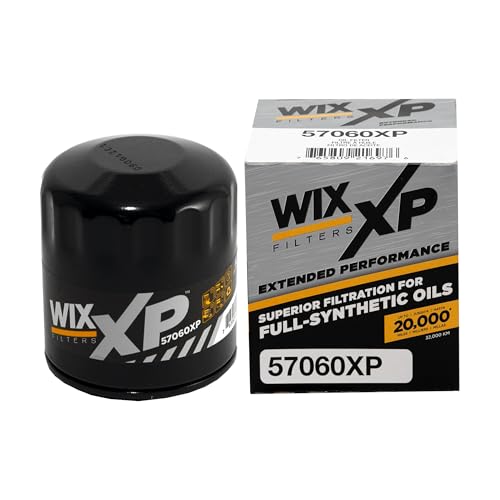

| Comparison Factors | Wix Oil Filter | AC Delco Oil Filter |
|---|---|---|
| Primary Focus | Detailed filtration specifications and broad vehicle applications | Engine-specific filtration and GM vehicle applications |
| Product Applications | Passenger cars, motorcycles, trucks, and heavy-duty equipment | GM vehicles and other compatible applications |
| Filter Media | Enhanced cellulose and synthetic-blend media | Media construction varies by specific filter model |
| Filtration Efficiency | Article mentions up to 99% in selected models | Equivalent efficiency data not provided in the article |
| Micron Specifications | Article mentions 15–21 microns for selected filters | Comparable micron data not established in the article |
| Dirt-Holding Capacity | Synthetic-blend options emphasize contaminant retention | Depends on filter construction and application |
| Anti-Drainback Valve | Silicone valves highlighted in selected models | Valve material and design depend on model |
| Cold-Start Protection | Anti-drainback design helps reduce oil drainback | Anti-drainback protection where equipped |
| Bypass Valve Pressure | Article describes 0.55–1.1 bar across selected models | Model-specific specification not supplied |
| Oil Flow Performance | Designed to balance filtration and engine oil circulation | Designed to meet compatible engine lubrication requirements |
| Filter Construction | Spin-on and cartridge filter designs | Spin-on and cartridge options for compatible engines |
| Structural Durability | Construction varies by filtration media and product series | Construction varies by filter application and series |
| Vehicle Compatibility | Broad aftermarket fitment coverage | Strong relevance to compatible GM applications |
| Severe Driving Conditions | Selected models designed for demanding applications | Suitability depends on model and engine requirements |
| Technical Documentation | Article includes micron, media, and valve specifications | Limited comparative technical data included in the article |
| Maintenance Intervals | Follow vehicle and filter-specific replacement requirements | Follow vehicle and filter-specific replacement requirements |
| Overall Recommendation | Consider for documented filtration specifications and varied applications | Consider for compatible engine-specific filtration requirements |

When choosing between Wix and AC Delco oil filters for your vehicle, you’ll find Wix provides more transparent, data-backed specifications that cater to severe driving conditions and dry-start protection.
Wix offers nominal micron ratings—15 µm or 21 µm—published beta ratios, and dirt-trapping efficiencies up to 99%. Their filters feature silicone anti-drainback valves, reducing dry-start wear by maintaining oil in the filter.
Bypass valve pressures vary from 0.55 to 1.1 bar, optimizing flow under different conditions. Wix uses enhanced cellulose or synthetic blended media, tailored for passenger cars, motorcycles, and heavy-duty equipment.
Conversely, AC Delco’s presence is mainly in cross-reference listings without direct technical specs, limiting your ability to compare performance or construction.
If you prioritize clear, data-driven filter characteristics, Wix delivers more measurable protection for demanding driving scenarios.
Additionally, Wix’s use of wire-backed media enhances durability and filtration stability in harsh conditions.
Although both Wix and AC Delco supply oil filters for a range of vehicles, Wix distinctly tailors its products with detailed technical specs and specialized media to meet the demands of severe driving, heavy-duty equipment, and diverse engine types.
In contrast, AC Delco’s filters primarily appear through cross-reference data, offering less direct insight into their design focus or performance for specific driver needs.
You’ll find Wix filters specifying micron ratings (15–21 µm), anti-drainback valve presence, and bypass valve pressures (0.55–1.1 bar).
This emphasizes dry-start protection and durability under harsh conditions.
Wix also offers synthetic-blended media variants for higher dirt capacity, suitable for passenger cars, motorcycles, and heavy trucks.
In contrast, AC Delco’s role in cross-referencing limits visibility into tailored filtration attributes.
This makes Wix the clearer choice if you prioritize documented, application-specific filter features aligned with your driving demands.
Wix’s use of advanced synthetic-blended media enhances contaminant capture and supports extended oil change intervals up to 20,000 miles.
Understanding the filtration performance and valve design differences between Wix and AC Delco filters helps clarify why Wix stands out in severe driving conditions.
Wix filters offer micron ratings typically between 15 and 21 µm, with documented beta ratios and dirt-trapping efficiency up to 99%, especially in models like the 57356 and 51359.
They incorporate silicone anti-drainback valves to prevent dry starts, with bypass valve opening pressures ranging from 0.55 to 1.1 bar, ensuring consistent oil flow under various conditions.
In contrast, AC Delco lacks publicly available detailed filtration specs or valve design data, limiting direct comparison.
Wix’s transparent, data-driven approach and valve engineering underscore their suitability for demanding applications, giving you confidence in performance and engine protection where AC Delco’s technical details remain sparse.
Additionally, filters with silicone anti-drainback valves are preferred for enhanced cold-start protection and oil pressure retention.
Wix really stands out because they use a mix of enhanced cellulose and synthetic blended media. This combination strikes a nice balance between dirt capacity and filtration efficiency, which is pretty impressive.
Plus, their construction is quite versatile. You’ll find everything from spin-on metal-cased filters to cartridge-style designs, making them adaptable for various applications.
On the flip side, when it comes to AC Delco, the specifics about their media types and construction aren’t as clear. This makes it a bit tricky to draw direct comparisons on these technical aspects.
Wix’s use of blended media offers improved structural integrity and filtration performance under demanding conditions.
When comparing Wix and AC Delco oil filters, the differences in filter media and construction become clear through Wix’s detailed specifications.
Wix offers enhanced cellulose media in many models like the 57356 and 51521, providing nominal micron ratings of 15 to 21 µm, with dirt-trapping efficiency up to 99%.
Their synthetic blended media, found in filters like the 51359, boosts dirt capacity for severe driving conditions. Wix also states bypass valve pressures, ranging from 0.55 to 1.1 bar, and includes silicone anti-drainback valves to prevent dry starts.
In contrast, AC Delco’s media types and construction details aren’t directly published, appearing mostly in cross-reference listings without specific filtration data.
This transparency in Wix specs allows you to assess filtration performance precisely, highlighting Wix’s advantage in media technology and construction clarity.
Additionally, Wix filters employ advanced synthetic-blended media to achieve superior filtration efficiency and extended service intervals under demanding conditions.
Plunge into the construction materials of Wix and AC Delco oil filters to see how each brand tackles filtration challenges.
Wix clearly details its use of enhanced cellulose and synthetic blended media, tailoring filter construction to specific applications. For instance, Wix 57356 employs enhanced cellulose media with a spin-on design, while Wix 51359 uses synthetic blends for higher dirt capacity.
Wix also incorporates silicone anti-drainback valves and specified bypass pressures, ensuring durability under severe conditions. In contrast, AC Delco’s construction specifics are less accessible, appearing mostly in cross-reference data without explicit material or valve details.
This lack of published specs makes a direct technical comparison difficult. You’ll find Wix’s transparent media choices and robust construction data provide a definitive advantage when evaluating filter performance and durability in demanding environments.
Additionally, AC Delco’s PF63 filter features construction enhancements such as increased inlet holes and revised end caps that improve oil flow and filtration efficiency.
Understanding the differences between synthetic and cellulose filter media is key to evaluating Wix and AC Delco oil filters’ performance.
Wix offers both enhanced cellulose and synthetic blended media, with synthetic blends providing higher dirt-trapping efficiency up to 99% and greater capacity. This can be seen in models like Wix 51359.
Cellulose media, used in filters like Wix 57356, offers solid filtration but typically with higher micron ratings of 15–21 µm and lower dirt-holding capacity.
Wix publishes detailed specs, including micron ratings and media type, which highlight these distinctions.
AC Delco lacks direct published data for comparison, often appearing only in cross-references.
If you prioritize advanced filtration and higher contamination control under severe conditions, Wix’s synthetic or synthetic-blend media generally outperforms cellulose-based options.
This offers superior durability and efficiency for your engine’s protection.
Additionally, Wix filters are designed with high dirt-holding capacity to maintain cleaner oil under heavy use, which enhances engine longevity.
Although AC Delco products mainly appear in cross-reference listings rather than detailed specifications, Wix offers extensive fitment coverage across a broad spectrum of vehicles and equipment.
AC Delco is often linked through cross-references, while Wix provides broad, detailed fitment across many vehicles and equipment.
Wix 57356 fits Acura, Honda, Hyundai, Mazda, Infiniti, Nissan, Yamaha motorcycles, and Mercruiser marine engines. Wix 51512 covers legacy Nissan and Toyota models.
Wix also supports heavy-duty sectors with HD filters for farm, construction, and mining equipment.
AC Delco’s presence is primarily indirect, linked via cross-reference to Wix part numbers like PF1180 and X 4026 E, with limited direct application data.
You’ll find Wix provides multiple SKUs tailored for specific duty types and engine classes, including spin-on and cartridge styles, ensuring precise compatibility.
This breadth gives Wix a clear advantage in targeted, validated vehicle and equipment fitment.
Additionally, Wix offers cartridge-style oil filters designed for extended service life and easy replacement, particularly suited for synthetic oil applications.
Explore the technical edge Wix oil filters hold through their clearly published specifications, which include micron ratings, bypass valve pressures, media types, and anti-drainback valve presence.
You’ll find Wix filters commonly feature micron ratings between 15 and 21 µm, with some models like the 57356 boasting filtration efficiencies up to 99%.
Bypass valve pressures range from 0.55 to 1.1 bar, ensuring reliable flow under varied conditions.
Wix’s use of enhanced cellulose and synthetic blended media provides higher dirt-trapping capacity for severe driving.
Silicone anti-drainback valves, standard on many Wix filters, prevent dry starts, a key advantage over generic designs.
Unlike AC Delco, Wix publishes detailed specs directly, enabling you to make data-driven choices based on precise filtration performance and construction parameters.
Additionally, considering the filtration efficiency of oil filters like the Fram PH2 Extra Guard, which offers 96% Single Pass Efficiency, can provide a useful benchmark when comparing filter performance.
When choosing between Wix and AC Delco oil filters, you’ll find Wix offers a clear advantage through its detailed published specifications and proven filtration performance.
Wix provides explicit data on micron ratings, bypass valve pressures, and anti-drainback valve presence, which AC Delco lacks in available sources. This transparency lets you assess filtration efficiency and durability confidently, especially for severe driving conditions.
| Feature | Wix Oil Filters | AC Delco Oil Filters |
|---|---|---|
| Filtration Efficiency | Up to 99% dirt trapping | Data unavailable |
| Anti-Drainback Valve | Silicone valves standard | Not specified |
| Published Specs | Micron rating, bypass pressure | No direct published specs |
You should choose Wix for clearer performance data and robust design tailored for demanding applications. However, AC Delco filters are engineered to meet GM OEM specifications and provide reliable engine protection tailored specifically for GM vehicles.
You can generally expect Wix oil filters to last around 5,000 to 7,500 miles under severe driving conditions. This is due to their high-quality media and silicone anti-drainback valves.
AC Delco filters, lacking clear published specs, typically recommend similar intervals but may vary by model and usage. Without direct data, you should follow manufacturer guidelines closely.
Wix’s detailed filtration ratings suggest their filters maintain efficiency longer in demanding environments.
You’ll find Wix filters lean toward more environmentally friendly options by offering cartridge-style, metal-free filters like the Wix 57262.
This design reduces waste compared to traditional spin-on types.
While Wix uses enhanced cellulose or synthetic blended media designed for durability and dirt capacity, there’s no direct AC Delco environmental data to compare.
If you enjoy playing “guess the price,” you’ll love comparing Wix and AC Delco oil filters.
Spoiler: Wix tends to be a bit pricier, reflecting its premium, severe-duty positioning with detailed specs like anti-drainback valves and micron ratings.
AC Delco often comes cheaper, but lacks clear published data for solid comparison.
You can confidently use Wix filters on high-mileage vehicles, especially their premium and synthetic-blended media options designed for severe conditions and dirt-trapping efficiencies up to 99%.
Wix’s silicone anti-drainback valves help prevent dry starts, vital for aging engines.
AC Delco’s specific high-mileage suitability isn’t clearly documented in available specs.
Wix provides more transparent, data-driven assurance for protecting high-mileage engines under demanding use.
You’ll find that Wix offers warranties on many of their oil filters, often backing their premium designs with coverage against defects.
This reflects confidence in filtration performance and durability.
AC Delco’s warranty details are less prominently published, making direct comparison tricky without specific catalog data.
If you want clear, documented warranty support, Wix provides more accessible technical assurances.
This helps you trust their filters for severe service and extended use.
Choosing between Wix and AC Delco oil filters is like picking a precision tool for your engine’s health.
Think of Wix’s advanced synthetic media capturing 98% of contaminants, akin to a surgeon’s scalpel—precise and reliable.
AC Delco offers solid performance with broader fitment, like a versatile wrench.
Your choice depends on whether you prioritize targeted filtration or wide application.
However, data leans toward Wix for superior engine protection under demanding conditions.
Last update on 2026-11-07 / Affiliate links / Images from Amazon Product Advertising API