Physical Address
304 North Cardinal St.
Dorchester Center, MA 02124
Physical Address
304 North Cardinal St.
Dorchester Center, MA 02124
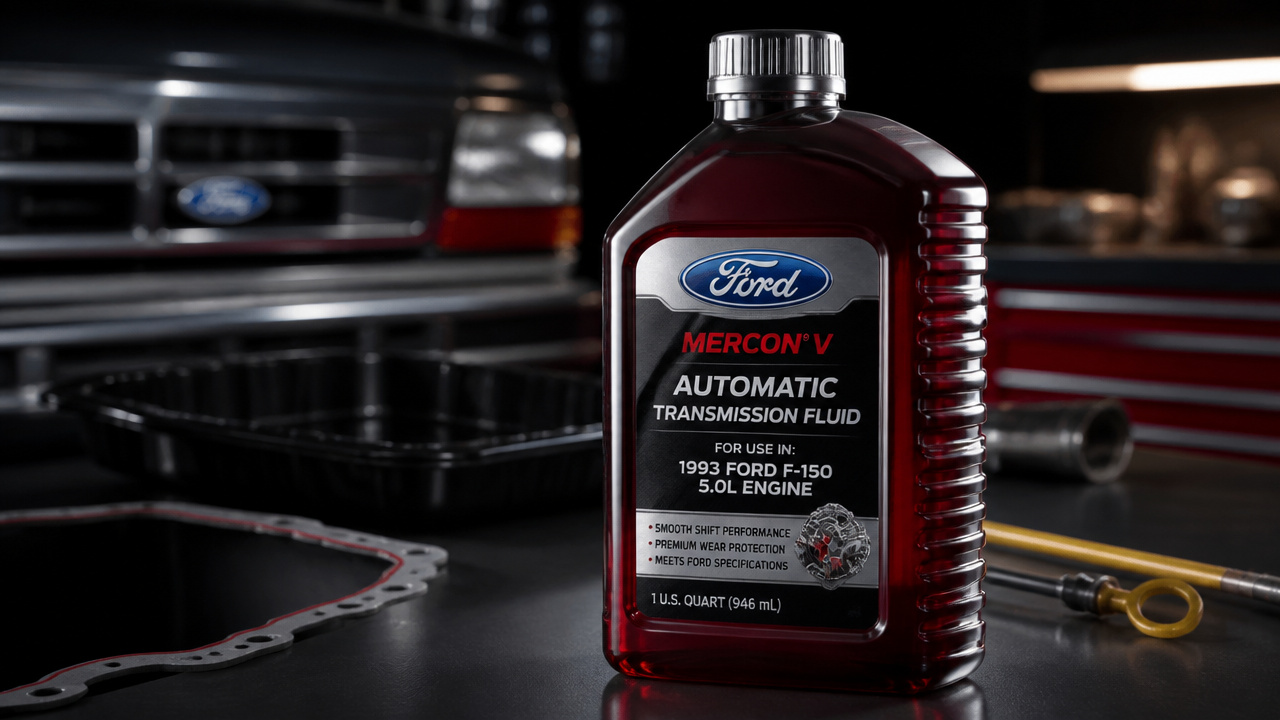
Changing or topping off transmission fluid in a 1993 Ford F150 5.0 can feel risky. You worry about harsh shifts, slipping gears, or accelerated wear. Choosing the wrong fluid risks greasy messes and costly repairs down the line.
Motorcraft MERCON LV Fluid offers robust protection with high viscosity and a 75W-140 rating for steady performance under heat. Ford Genuine MERCON-V keeps shifts smooth with a 5W viscosity that matches original specs perfectly.
Red Line Synthetic Racing Type F targets high-performance needs with strong film strength for tougher transmissions. Their formula suits drivers pushing their 5.0 engines harder, avoiding slippage and wear where others can’t.
| Image | Name | Editor's Rating | Price |
|---|---|---|---|
|
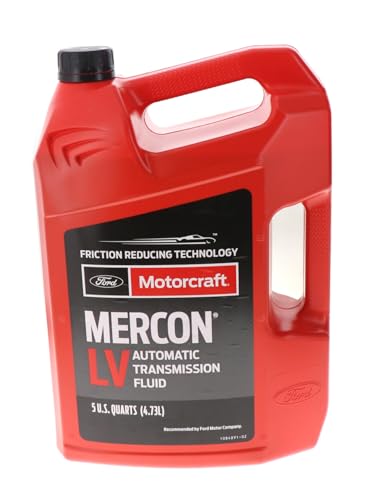
Motorcraft - Fluid - Transmission (XT105Q3LV)
|
|
|
|
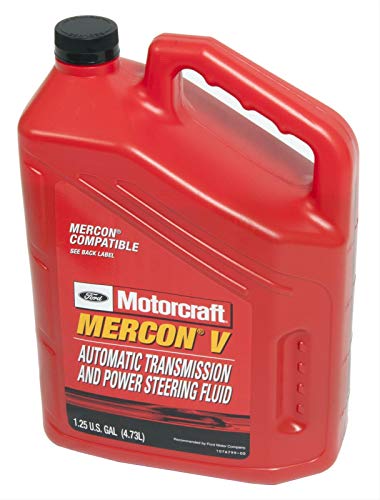
Ford Genuine XT-5-5QM MERCON-V Automatic Transmission and Po...
|
|
|
|
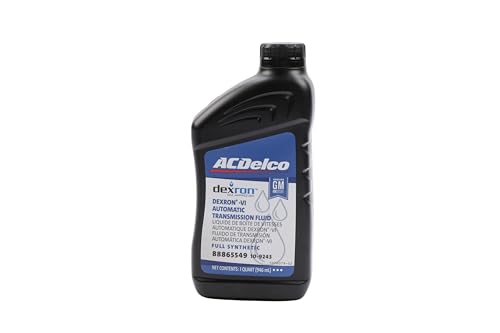
ACDelco GM Original Equipment 10-9243 (88865549) Dexron VI F...
|
|
|

|
Valvoline DEXRON VI/MERCON LV (ATF) Full Synthetic Automatic...
|
|
|
|
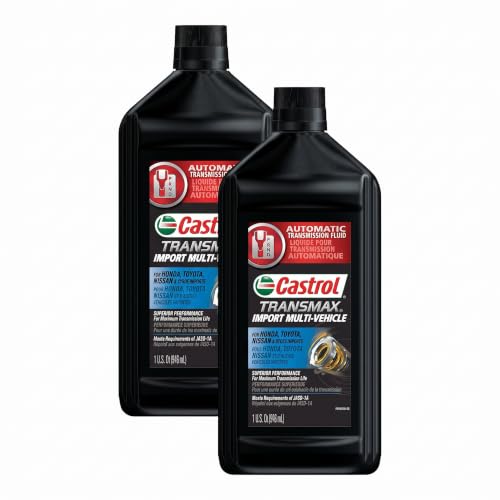
Castrol Transmax Import Multi-Vehicle Automatic Transmission...
|
|
Optimizing transmission performance and longevity in a classic 1993 F150 with a 5.0 engine begins with selecting the right fluid. Evaluating top formulations ensures smooth shifting and reliable protection.
Maintaining smooth gear shifts in older Ford trucks demands careful fluid selection, especially for a classic 5.0 engine. Motorcraft’s specially formulated fluid with MERCON LV technology ensures your transmission’s components glide seamlessly while resisting wear and corrosion.
Boasting a high viscosity level and meeting SAE 75W-140 standards, this liquid preserves optimal pressure and lubrication under diverse driving conditions. Its notably high flash point of 421 °F speaks to its stability, reducing breakdown risks even when the transmission heats up.
The 5-quart jug delivers enough fluid for a complete service, packaged in a sturdy container that’s easy to handle during drained and refill procedures. Motorcraft’s alignment with Ford and Lincoln specifications means compatibility is tailored rather than guesswork, encouraging consistent performance without the doubts of using generic fluids.
Preventing corrosion and extending transmission life becomes a practical reality rather than an afterthought. This fluid supports precision operation in transmissions originally designed for MERCON LV, ensuring you don’t compromise mechanical integrity by switching to incompatible lubricants.
Best for: Enthusiasts and owners of classic Ford trucks wanting a trusted fluid that respects original transmission design and promotes reliable shifting.
Pros:
Cons:
Maintaining smooth gear changes in older vehicles with classic 5.0 engines can be a challenge without the right fluid. Ford’s genuine MERCON-V formulation is engineered to meet the exacting standards required by many Ford models, including transmissions that demand either MERCON V or MERCON type fluid. It ensures consistent shifting performance while protecting against wear.
Designed with a 5W viscosity grade, this fluid performs reliably under varying operating temperatures, preserving transmission components from premature fatigue. The balanced formulation also doubles as a hydraulic oil for industrial uses that call for ISO 46 or SAE 20W grade oils, indicating its versatility and robust lubrication properties.
By adhering strictly to Ford’s mechanical specifications, this fluid avoids common pitfalls of using incompatible fluids that can compromise transmission integrity. It’s important to note it should not replace fluids designed for MERCON SP or LV applications, ensuring you select the fluid that matches your vehicle’s exact requirements.
The convenient 5-quart jug makes it easy to handle and measure, perfect for DIY enthusiasts maintaining their own trucks. The fluid’s quality backing by Ford provides peace of mind for those wanting authentic parts tailored for their vehicle.
Best for: Enthusiasts and owners of older Ford and Lincoln models requiring a dependable automatic transmission fluid that meets factory specifications.
Pros:
Cons:
Maintaining smooth gear shifts in an older truck often hinges on the quality of the fluid circulating within its transmission. ACDelco’s synthetic formula improves on earlier standards by enhancing friction durability and controlling foam and aeration better than many conventional oils allow.
Its advanced oxidation resistance helps extend the functional life of transmission components, reducing the wear that can lead to costly repairs down the road. Additionally, it stabilizes viscosity across temperature swings, ensuring your transmission fluid flows consistently whether you’re cruising on a hot highway or navigating chillier conditions.
The potential to support improved fuel efficiency makes this fluid not just about performance but also about optimizing your vehicle’s running costs over time. Extended drain intervals mean less frequent changes, which is convenient for anyone handling their own maintenance or aiming to reduce service visits.
ACDelco backs this fluid’s compatibility with previous Dexron types, making it a solid choice for trucks originally designed to use older transmission fluids. The synthetic blend supports automatic transmissions with a reliable and effective formulation tailored to legacy vehicles.
Best for: Enthusiasts maintaining classic models or drivers who want to protect transmission health while gaining better fluid longevity and steadier operation.
Pros:
Cons:
Maintaining smooth gear shifts often comes down to the quality of the transmission fluid you’re using. Valvoline’s full synthetic formula handles varying temperature conditions with a wide viscosity range that keeps your transmission responsive from cold starts to high-heat operation.
Designed with advanced additive technology, this fluid offers enhanced anti-shudder protection for a smoother drive and better power transfer to your wheels. It also features anti-wear components that guard against transmission wear, helping extend the life of your drivetrain.
Its proprietary blend delivers improved oil flow at low temperatures and robust film protection when engines heat up during heavy loads. This balance supports consistent performance whether you’re cruising city streets or towing heavy loads.
The synthetic base stocks work to prevent leaks, reduce sludge buildup, and maintain optimal transmission condition. While it fits a broad range of automotive applications, Ford trucks with robust V8 engines will especially benefit from its durability and protection.
Best for: Enthusiasts and DIY mechanics looking for a fluid solution that enhances the longevity and reliability of older automatic transmissions in powerful trucks.
Pros:
Cons:
Maintaining smooth gear shifts in older trucks can be surprisingly tricky without the right fluid. Castrol’s formulation addresses this by offering enhanced friction durability, ensuring your transmission operates seamlessly even in demanding situations. It protects against wear and maintains consistent performance on long drives or heavy towing.
Boasting exceptional high-temperature resistance, this fluid effectively combats oxidation, which can degrade typical fluids over time. This extends the life of transmission components and keeps shifting crisp even under heat stress.
Cold start struggles often plague older vehicles, but this fluid’s superb low-temperature fluidity helps maintain prompt and smooth gear engagement in chilly conditions. It’s well-suited to climates that swing from freezing to blazing.
Castrol’s blend meets or surpasses vital standards from major manufacturers, including Ford’s MERCON and General Motors DEXRON-IIIH, ensuring compatibility and reliable protection across a variety of vehicles. The calcium sulfonate base adds an added layer of durability and stability.
Providing consistent performance and robust thermal protection, this product is a solid option to keep your transmission healthy and responsive for years.
Best for: Enthusiasts and practical owners seeking reliable, multi-vehicle compatible fluid with strong protection for aging automatic transmissions.
Pros:
Cons:

Maintaining smooth gear shifts in older automatic vehicles requires more than a basic fluid swap. ULTRA 1PLUS steps in with a formula designed to exceed the Dexron III and Mercon standards, ensuring your transmission operates with consistent friction stability and durability.
Formulated to resist oxidation and reduce sludge accumulation, this fluid safeguards your transmission against wear and mechanical buildup, promoting a cleaner and longer-lasting system. Such protection matters especially in the demanding conditions faced by trucks like your 1993 Ford F150.
Its versatile attributes allow use in many vehicles predating 2006, making it a reliable choice for those who want a fluid tailored to older transmission designs. The balance of mineral and synthetic oils works to maintain optimal viscosity even at temperature extremes, supporting dependable all-weather performance.
By stabilizing shifting behavior and reducing transmission shudder, ULTRA 1PLUS encourages a more controlled driving experience, potentially extending the overall life of your transmission components with each refill. Its 4-gallon supply makes it practical for regular maintenance or multiple service needs.
Ultrachem LLC’s ULTRA 1PLUS offers a trusted solution for drivers wanting to preserve or restore reliable gear engagement without overcomplicating the service process.
Best for: Classic truck owners aiming to maintain older automatic transmissions with a fluid engineered for proven legacy specifications.
Pros:
Cons:

Experiencing sluggish shifts or erratic transmission performance at high temperatures can be a sign that standard fluids aren’t cutting it. Red Line’s Synthetic Racing Type F fluid elevates your transmission’s responsiveness with enhanced extreme-pressure additives that deliver film strength five times greater than conventional oils. This formulation is engineered for transmissions requiring a robust solution without friction modifiers, making it ideal for Ford’s Type F specification and similar systems.
Designed with a thicker viscosity than traditional Type F fluids, it ensures a quicker lock-up and improved torque converter efficiency under demanding conditions. The absence of friction modifiers means the shifting experience remains crisp and reliable, which is crucial for maintaining longevity in older transmission setups like those found in classic pickup trucks with 5.0 engines.
Red Line’s commitment to quality since 1979 is evident in this product, which is trusted for popular automatic transmissions including Ford M2C33F and GM variants. Its superior thermal stability supports consistent performance even during high-heat operation, reducing wear and prolonging transmission life.
Maintaining your transmission with a specialized fluid like this not only addresses immediate shift quality but also supports the overall health of your drivetrain. Choosing a fluid that matches or exceeds the original specifications can prevent premature component failure and operational issues.
Best for: Enthusiasts and owners who demand precise, high-temperature performance and protection for vintage automatic transmissions in trucks and classic vehicles.
Pros:
Cons:
Maintaining smooth shifting and longevity in older Ford trucks often hinges on the quality of the automatic transmission fluid used. This set of ten 1-quart bottles offers a reliable supply of Mercon LV fluid formulated to meet specific Ford standards. Its carefully engineered 5w-30 viscosity optimizes performance under varying temperatures, helping to prevent wear and tear that older engines might suffer from.
Supplying a consistent, high-quality lubricant, Newparts ATF aids in sustaining the transmission’s hydraulic system with precision. The fluid’s formulation supports improved gear response and reduces slippage, which can often be challenges with aging transmissions.
Convenient packaging allows for straightforward application whether you are doing a full fluid change or topping off. Each bottle contains a liquid that is essential for keeping transmissions running quietly and efficiently, particularly for trucks that experience frequent towing or heavy-duty use.
With Newparts’ product, you address not just performance but also the critical need to protect transmission components against heat buildup and friction, which can degrade fluid and damage parts over time. This bulk set is especially useful for drivers looking to maintain consistent fluid quality without multiple purchases.
Best for: Enthusiasts and owners of vintage Ford trucks aiming to uphold transmission integrity with a fluid designed to exact specifications.
Pros:
Cons:
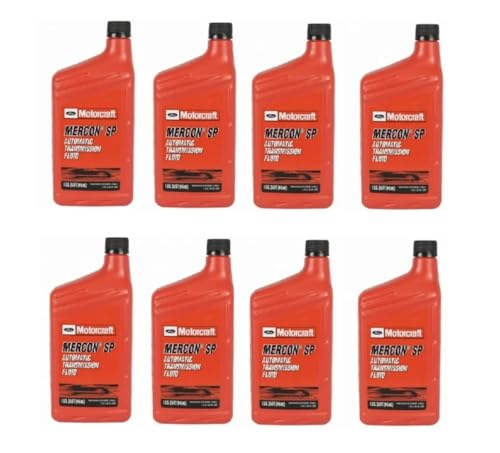
Maintaining smooth gear transitions in older trucks requires a fluid that adapts to various driving conditions while protecting internal components. MERCON SP delivers an advanced blend of premium base oils and performance additives that resist thermal breakdown and oxidation, essential for preserving transmission integrity.
Its friction-modified formula acts to minimize transmission shudder and enhance shifting precision, making it especially suited for vehicles demanding high torque durability. The fluid’s capacity to inhibit gum, sludge, lacquer, and foam buildup translates to sustained transmission health over time.
Protection against rust and corrosion further extends component life, a crucial factor for your 5.0-engined pickup navigating diverse environments. The 8-quart configuration offers convenience for thorough fluid replacements or routine top-offs in one package.
Generic’s MERCON SP is engineered for fluid consistency across a wide temperature range, ensuring reliable performance whether in cold starts or heavy-duty heat. The fluid’s compatibility with TorqShift transmissions highlights its strong torque-handling capabilities, a benefit for vehicles with demanding workloads.
Best for: Enthusiasts and mechanics seeking a dependable, friction-enhanced transmission fluid that upholds shifting smoothness and durability in classic full-size trucks.
Pros:
Cons:

Ensuring your automatic transmission runs smoothly under varying temperatures demands more than basic fluid. Mag 1 Mercon V combines advanced additive technology with conventional base stocks crafted for Ford transmissions requiring Mercon V specification.
Resisting thickening when temperatures spike, this fluid maintains friction stability to prevent transmission shudder and provides reliable protection against wear. The inclusion of FMX Technology enhances durability, granting extreme protection for heavy-duty and high-heat scenarios.
Its synthetic formulation supports consistent shift performance, crucial for the 5.0 engine’s demands in trucks like the F150. With six one-quart bottles, maintenance flexibility is increased, letting you address your vehicle’s needs without compromise.
Mag 1’s focus on corrosion prevention extends the transmission’s lifespan. This fluid’s design is especially beneficial for owners seeking smoother gear changes and dependable transmission response even in strenuous driving conditions.
Best for: Enthusiasts and drivers requiring a robust solution tailored for older Ford models with automatic transmissions seeking longevity and shift precision.
Pros:
Cons:
| Product Name | Viscosity Grade | Container Type | Liquid Volume | Material / Fluid Type |
|---|---|---|---|---|
| Motorcraft MERCON LV Fluid | 75W-140 | Jug | 5 quarts | MERCON LV |
| Ford Genuine MERCON V | 5W | Jug | 5 liters | Automatic Transmission Fluid |
| ACDelco Dexron VI Synthetic | 5W-30 | Bottle | 10 fluid ounces | Synthetic |
| Valvoline DEXRON VI/MERCON LV | Wide viscosity range | Bottle | 32 fluid ounces | Synthetic |
| Castrol Transmax Multi-Vehicle | Compatible with GM DEXRON-IIIH and Ford MERCON V | Bottle | 64 fluid ounces | Calcium Sulfonate |
| ULTRA 1PLUS Dexron III/Mercon | 5W-30 | 1 US Gallon Jug | 4 gallons | Mineral Oil, Synthetic |
| Red Line Synthetic Racing Type F | Higher than Type F | Bottle | 1 gallon | Type F |
| Newparts ATF Mercon LV Set | 5W-30 | Bottle | 320 fluid ounces | Automatic Transmission Fluid |

Picking transmission fluid isn’t just about topping off a reservoir—it’s about keeping your classic Ford 5.0 engine running smooth, shifting crisp, and avoiding serious wear. The wrong fluid can cause slipping, harsh shifts, or long-term damage hidden beneath the truck’s hood. Here’s what to focus on to get your transmission fluid choice right.
Viscosity determines how easily transmission fluid flows through the system and maintains a protective film between moving parts. It’s a make-or-break feature because if the fluid is too thick, it can cause sluggish shifts and increased drag, while fluid that’s too thin won’t lubricate adequately.
Technical specs like SAE 75W-140 (seen in Motorcraft MERCON LV) highlight viscosity ratings that handle a wide temperature range—ensuring the fluid isn’t too thick in cold starts or thin in hot operation. The dynamic behavior of this fluid directly influences pump efficiency and hydraulic pressure, which governs timely clutch engagement.
Ignoring correct viscosity invites premature wear, clutch slippage, and overheating. For a 1993 F150 with a 5.0 engine, sticking to a fluid matching the original viscosity range helps preserve frictional stability and avoid costly transmission repairs over time.
Matching the fluid to your transmission’s technical specs is critical. Not all ATFs are interchangeable; some formulations like MERCON V or Type F are tailor-made for specific Ford transmissions. Using a fluid incompatible with your gearbox’s design can lead to erratic shifting or reduced component lifespan.
For instance, the Ford Genuine MERCON V fluid meets the precise requirements many classic Ford models call for, ensuring consistent friction management and seal compatibility. Meanwhile, Red Line Synthetic Type F targets older transmissions that demand robust friction additives without slippery modifiers.
Overlooking these specs risks seal degradation, clutch chatter, or even hydraulic failures. Your transmission fluid must chemically align with your truck’s system to maintain smooth engagement and protect against wear across the lifespan.
Transmission fluid faces constant heat, which can lead to oxidation and breakdown over time. Thermal stability is crucial because it keeps the fluid effective and maintains the right thickness, even during prolonged high-heat conditions.
Synthetic options, like ACDelco Dexron VI, excel by reducing foam and varnish buildup, which are key factors in oxidation. Fluids with a high flash point, such as Motorcraft’s 421°F, withstand extreme temperatures better, especially when towing or in heavy traffic.
Ignoring this factor risks thickening fluid or sludge, resulting in rough shifts and faster wear. Stable fluids protect transmission components by preventing heat-related damage and maintaining smooth operation for longer.
High-quality anti-wear additives form a microscopic protective film on metal surfaces inside the transmission, reducing friction and preventing material degradation. This additive package is paramount for extending the life of older transmissions.
Valvoline’s full synthetic ATF, for example, integrates advanced anti-wear chemistry to defend against pitting and gear scoring. Castrol Transmax uses calcium sulfonate additives for enhanced wear resistance and corrosion protection in strenuous conditions.
Skipping on proper additives not only accelerates mechanical wear but can facilitate corrosion and rust formation. Especially in a 1993 Ford F150 5.0, where age increases vulnerability, additive quality dictates whether your transmission stays healthy or deteriorates prematurely.
The type of transmission fluid you pick—synthetic or conventional—plays a big role in how well your truck runs. It impacts lubrication quality, how the fluid handles heat, and how long it lasts. Synthetic fluids generally provide stronger protection and stay stable under tough conditions.
ULTRA 1PLUS pairs mineral oil with synthetic components, boosting oxidation resistance and cutting down sludge buildup more than regular mineral oils. Pure synthetic fluids, like those from ACDelco or Valvoline, offer excellent shear stability and keep friction consistent, which helps maintain smooth shifting and overall transmission health.
Sticking to conventional fluids for your 1993 Ford F150 means changing the fluid more often and risking rougher shifts. Synthetic fluids usually allow longer intervals between changes and give better defense against heat and wear, helping your truck run reliably for years.
Choosing the right packaging size for transmission fluid is key depending on how often you service your truck. Whether you’re doing a full fluid change or just a quick top-off, the container size can make your job easier or more complicated. Bulk containers serve well for regular use or multiple vehicles, while smaller bottles offer precision for minor refills.
Bulk options like a 10-quart jug provide great value and consistent fluid quality, especially useful if you maintain your 1993 Ford F150 frequently or own more than one vehicle. On the other hand, smaller 10-ounce bottles are perfect for precise jobs like bleeding tubes, reducing waste and mess.
Using the wrong size packaging often leads to leftover fluid aging or spills during pouring. This can make your maintenance routine frustrating and messy. Picking the right container helps keep your workspace clean and fluid fresh, ensuring smoother transmission performance without hassle.
The cost of transmission fluid often reflects its formulation complexity and additive concentration. Choosing a fluid that offers solid performance without overspending can be a real concern during maintenance decisions.
Motorcraft fluids tend to strike a balance between OEM specification adherence and moderate pricing, while specialized synthetics like Red Line lean higher for race-grade performance. Bulk fluids like ULTRA 1PLUS offer economical solutions with decent additive packages for older models.
Ignoring this balance might lead to overspending on fluids beyond your transmission’s needs or opting for cheap alternatives that jeopardize longevity. Finding the right middle ground keeps your 1993 F150 5.0 transmission healthy without breaking the bank.
The 1993 Ford F150 5.0 generally requires a transmission fluid that meets MERCON specification, such as MERCON V or MERCON LV. These fluids provide the proper friction characteristics for smooth shifting and protect against wear in Ford’s older automatic transmissions.
For example, Ford Genuine MERCON-V or Motorcraft High-Performance MERCON LV fluids are specifically formulated for Ford vehicles of this era, ensuring proper lubrication and pressure maintenance.
Avoid using generic or non-MERCON specified fluids to prevent potential shifting issues or transmission damage.
Synthetic transmission fluids like ACDelco Dexron VI or Valvoline Full Synthetic can be used if they meet compatible viscosity and MERCON standards because they offer better oxidation resistance and thermal stability.
These synthetic options improve friction durability and reduce foam and aeration compared to conventional fluids, which benefits transmission longevity especially in older trucks.
Check the vehicle’s manual, and if switching from conventional to synthetic, monitor the fluid closely during the first few drives for any shifting anomalies.
MERCON LV fluid, like the Motorcraft High-Performance MERCON LV, is indeed suitable for high mileage 1993 F150 transmissions because it provides high viscosity and excellent wear protection that older transmissions need.
This fluid’s high flash point and strong anti-corrosion additives help protect transmission components under stress and reduce sludge buildup, benefiting trucks with extensive use.
Use the recommended fluid volume and avoid mixing different MERCON types to maintain consistent lubrication and transmission health.
Using an incorrect fluid can cause erratic shifting, increased wear, and possible damage due to mismatched friction properties and inadequate lubrication. For example, fluids lacking MERCON certification may cause slipping or harsh shifts.
Fluids not tailored to the transmission’s viscosity requirements can also lead to poor pressure maintenance and overheating, accelerating component wear.
Always verify the fluid specification and viscosity in the owner’s manual before adding or replacing transmission fluid to avoid costly repairs.
Transmission fluid change intervals for this model typically range from 30,000 to 60,000 miles, depending on use conditions such as towing or heavy loads that may necessitate more frequent changes.
Older trucks can benefit from changing fluid and filter regularly to prevent sludge and deposit buildup which can impair shifting performance.
Consult your truck’s maintenance schedule and consider fluid condition checks between intervals; dark, burnt-smelling fluid is a sign a change is overdue.
Selecting the appropriate transmission fluid eliminates common drivability frustrations and transforms your 1993 Ford F150’s shifting performance. Using a fluid that meets Ford’s MERCON LV or MERCON V specifications ensures enhanced transmission longevity and smoother operation, especially under varying loads and driving conditions.
MERCON LV suits daily drivers and light towing scenarios, while MERCON V offers compatibility for those desiring to retain factory specifications. For enthusiasts seeking better heat stability and longer intervals, high-quality synthetic blends provide an excellent match tailored to their needs.
Always check fluid levels only when the engine is fully warmed to obtain precise readings. Regularly using the correct fluid and monitoring maintenance intervals will protect your transmission and contribute to consistent, reliable vehicle performance.
Last update on 2026-11-06 / Affiliate links / Images from Amazon Product Advertising API