Physical Address
304 North Cardinal St.
Dorchester Center, MA 02124
Physical Address
304 North Cardinal St.
Dorchester Center, MA 02124
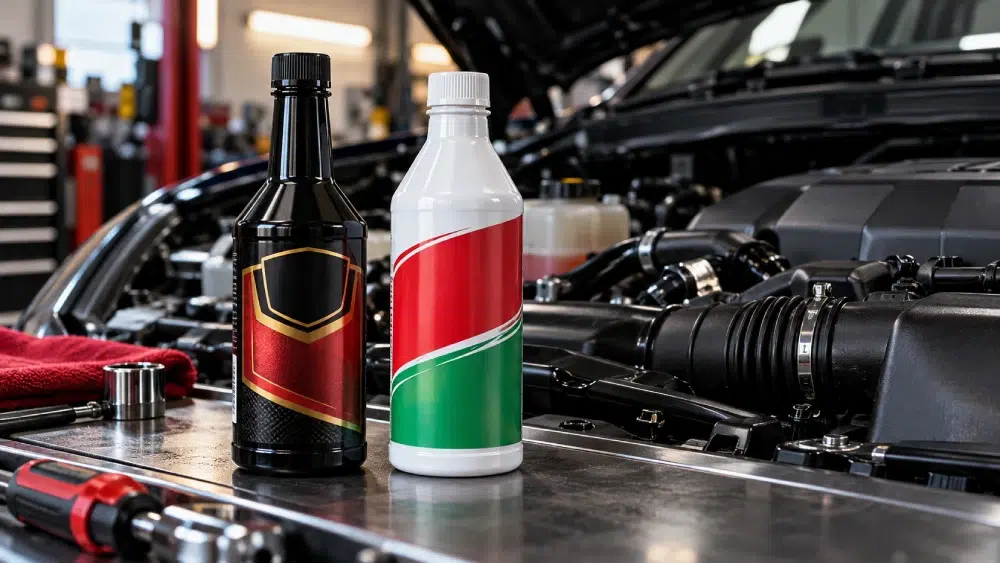
Choosing between Lucas and Sea Foam depends on your engine needs. If you want aggressive deposit removal for carbureted or gummed-up systems, Sea Foam’s potent solvents are your best bet.
But if your priority is long-term lubrication, wear reduction, and smoother operation, especially for modern high-mileage or fuel-injected engines, Lucas excels with its durable lubricant formula.
Both serve distinct roles, so understanding their strengths helps you optimize fuel system performance. Discover how each additive fits specific engines and maintenance strategies.
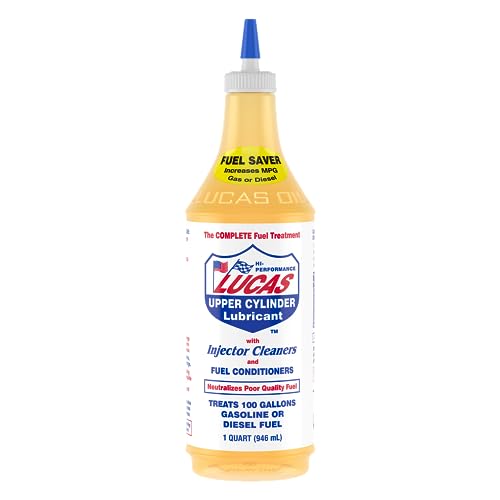

| Comparison Factors | Lucas Fuel Treatment | Sea Foam Motor Treatment |
|---|---|---|
| Primary Purpose | Fuel system lubrication and maintenance | Fuel system cleaning and deposit removal |
| Formula Type | Petroleum-based lubricant-focused blend | Solvent-based cleaning formulation |
| Cleaning Action | Helps control fuel system deposits | Targets gum, varnish, and fuel-related deposits |
| Lubrication Performance | Emphasizes upper-cylinder and fuel-system lubrication | Provides some lubricating action alongside cleaning |
| Carbon Deposit Removal | Not primarily designed for intensive cleaning | Intended to help loosen certain carbonaceous deposits |
| Injector Maintenance | Focuses on lubrication and fuel system care | Focuses on removing deposits affecting fuel delivery |
| Carburetor Cleaning | Provides general fuel-system maintenance | Particularly suited to gum and varnish buildup |
| High-Mileage Engines | Article emphasizes ongoing lubrication and wear reduction | May help when existing deposits contribute to running problems |
| Engine Compatibility | Discussed for gasoline and diesel applications, subject to instructions | Discussed for gasoline, diesel, and small-engine applications |
| Fuel Stabilization | Article highlights fuel condition maintenance | Article highlights fuel stabilization during storage |
| Application Frequency | Positioned for routine fuel treatment | Positioned for periodic deposit cleaning |
| Treatment Quantity | Article describes a lower treatment rate | Article describes higher dosing for intensive cleaning |
| Engine Performance Focus | Smoother operation and lubrication support | Restoring fuel flow affected by deposits |
| Best Application | Regular maintenance and lubrication-focused care | Targeted cleaning of fuel system buildup |
| Overall Recommendation | Best suited to ongoing fuel-system lubrication | Best suited to deposit-focused cleaning needs |

When deciding between Sea Foam and Lucas Fuel Treatment, you’ll want to zero in on your specific engine needs and maintenance goals.
Sea Foam suits you if your priority is cleaning deposits like varnish, gum, and sludge, especially in carbureted engines or older models with visible buildup. It’s solvent-based and designed to dissolve contaminants for improved combustion.
Sea Foam excels at dissolving varnish, gum, and sludge, ideal for carbureted or older engines with buildup.
On the other hand, Lucas Fuel Treatment fits better if you want to reduce friction, protect upper cylinders, and maintain smooth operation, particularly in modern engines running low-sulfur fuels. Its lubricant-rich formula focuses on wear reduction and fuel stabilization.
Cost-wise, Lucas is more economical for routine use, while Sea Foam works best as a targeted cleaner. Your choice hinges on whether cleaning or lubrication aligns more closely with your engine’s current condition and maintenance strategy.
Additionally, Lucas Fuel Treatment’s lubricity enhancers help maintain a stable boundary layer that minimizes wear and corrosion from friction, extending engine life.
You know you can count on Sea Foam to tackle those stubborn deposits like varnish and sludge, right? It really does a great job of keeping your fuel system clean and improving combustion efficiency.
On the other hand, Lucas Fuel Treatment is all about lubrication. It’s designed to keep those critical components well-lubricated, reducing friction and wear. This means smoother operation for your engine.
Additionally, Sea Foam offers fuel stabilization for up to two years, helping to prevent fuel degradation during storage.
Sea Foam tackles fuel system deposits by dissolving carbon, gum, varnish, and sludge through its solvent-based formulation. This includes pale oil, naphtha, and isopropyl solvent.
You’ll find this blend rapidly breaks down stubborn residues, restoring fuel flow and combustion efficiency. Its volatile solvents evaporate quickly, leaving minimal residue behind.
| Component | Role |
|---|---|
| Pale Oil | Mild lubrication, residue softening |
| Naphtha | Strong solvent for breakdown |
| Isopropyl Solution | Dissolves varnish and gum |
| Solvent Action | Penetrates deposits rapidly |
| Evaporation Rate | Fast, prevents secondary buildup |
When you use Sea Foam, it targets existing buildup. This makes it ideal for carbureted engines and intake cleaning. Its gentler cleaning action also supports fuel system stabilization and lubrication for long-term engine health.
Lucas Fuel Treatment enhances your engine’s performance by delivering persistent lubrication to critical fuel system components. It coats injectors, fuel pumps, and upper cylinders with a durable lubricant, reducing friction and wear.
Unlike Sea Foam’s solvent-based cleaning, Lucas focuses on long-term protection, especially in modern low-sulfur fuels where lubrication is vital. Using Lucas regularly can help maintain smoother operation, quieter injectors, and improved fuel stability.
You’ll find it particularly effective for high-mileage engines where minimizing component wear is a priority. While Sea Foam excels at removing deposits, Lucas excels at preventing them by providing a consistent lubricating barrier.
This approach makes Lucas more economical for routine maintenance, helping you preserve engine health and enhance fuel system longevity over time. Its oil-based formula also ensures heat resistance and deposit removal without harming seals or gaskets.
Choosing the right additive depends largely on the type of engine and fuel you’re working with.
Sea Foam suits carbureted engines, small two- or four-stroke engines, and those with gummed-up fuel systems needing solvent-based cleaning.
Sea Foam is ideal for carbureted and small engines with clogged fuel systems needing thorough solvent cleaning.
It’s effective across gasoline and diesel fuels, especially for stored or seasonal equipment.
Lucas excels in modern low-sulfur fuel environments, including ethanol blends like E85.
It is ideal for high-mileage engines requiring lubrication and wear reduction.
Consider these factors:
This targeted use optimizes engine performance and fuel compatibility.
Proper storage in a cool, dry, well-ventilated area helps preserve the chemical stability of fuel additives for maximum effectiveness.
When it comes to cleaning up fuel system deposits, Sea Foam really stands out. Its solvent-based chemistry goes after varnish, gum, and sludge more aggressively than Lucas does. So, if you’re dealing with gummed-up carburetors or clogged intake paths, Sea Foam is probably your best bet.
On the other hand, Lucas has a different focus. It’s more about lubrication and reducing wear, which can be important for maintaining engine health over time. So, understanding these differences is key. Depending on your engine’s specific cleaning needs and the type of fuel you use, you’ll want to choose the right additive for the job.
Sea Foam also offers upper cylinder lubrication to protect engine components during the cleaning process.
Evaluating fuel system additives for deposit removal means focusing on how effectively they dissolve carbon, gum, varnish, and sludge within the engine.
Sea Foam is designed primarily as a solvent-based cleaner, targeting these deposits directly and breaking them down for easier removal.
Lucas Fuel Treatment, by contrast, emphasizes lubrication and wear reduction, making it less aggressive in cleaning deposits.
When comparing their deposit removal effectiveness, consider these points:
If your goal is thorough deposit removal, Sea Foam is the stronger choice.
Additionally, choosing an additive with proven emission system compatibility can help maintain engine health without risking emissions compliance issues.
Understanding why Sea Foam outperforms Lucas in deposit removal starts with their distinct cleaning chemistries. Sea Foam’s blend of pale oil, naphtha, and isopropyl solvent acts as a potent solvent, dissolving carbon, gum, varnish, and sludge effectively.
Its rapid evaporation aids in flushing out deposits without leaving residue. Conversely, Lucas focuses on lubrication with heavy petroleum distillates, coating fuel-system components to reduce wear but lacking strong solvent action for deep cleaning.
While Lucas excels at maintaining smooth operation and reducing friction, it doesn’t aggressively target existing deposits. If your priority is removing stubborn fuel system buildup, Sea Foam’s solvent-based chemistry provides a more direct, thorough cleaning.
Lucas is better suited for ongoing lubrication rather than intensive deposit removal.
Additionally, Sea Foam is favored for its ability to perform a fast engine flush, making it ideal for quick and effective cleaning before service.
Although both Sea Foam and Lucas Fuel Treatment serve important roles in fuel system care, Sea Foam clearly outperforms Lucas in removing deposits like carbon, gum, and varnish. If you want to eliminate existing buildup, Sea Foam’s solvent-based formula is your best bet.
Lucas excels more in lubrication and wear reduction, supporting long-term maintenance rather than deep cleaning.
Consider these points when deciding which additive suits your needs:
Ultimately, Sea Foam is better for deposit removal; Lucas is better for lubrication and fuel-system protection. Additionally, many top diesel additives, such as Lucas Oil 10003, also focus on improving fuel flow and combustion efficiency to enhance overall engine performance.
Many drivers rely on Lucas Fuel Treatment because it provides consistent lubrication that reduces friction in critical engine components like injectors, fuel pumps, and upper cylinders.
Lucas Fuel Treatment delivers reliable lubrication that cuts friction in key engine parts for smoother performance.
Unlike solvent-based additives, Lucas uses a petroleum-based lubricant blend that forms a protective coating, minimizing wear and extending component life.
You’ll notice smoother engine operation and quieter injectors thanks to this persistent lubrication.
Because it’s compatible with modern low-sulfur fuels and ethanol blends, Lucas is especially effective for maintaining high-mileage engines.
By stabilizing fuel and reducing metal-to-metal contact, it helps prevent premature failure and costly repairs.
Using Lucas regularly supports engine durability without focusing on aggressive cleaning, making it a practical choice if your priority is ongoing wear protection rather than deposit removal.
For those seeking combined cleaning and lubrication benefits, products like Power Service Diesel Kleen + Cetane Boost offer injector cleaning with lubrication for enhanced engine performance and protection.
While Lucas Fuel Treatment excels at lubrication and wear prevention, Sea Foam Fuel Additive targets a different need: cleaning deposits from carburetors and fuel systems. You should choose Sea Foam when you notice carburetor issues caused by varnish, gum, or sludge buildup. Its solvent-based formula dissolves these deposits effectively, restoring proper fuel flow and combustion.
Consider using Sea Foam if:
Sea Foam’s targeted cleaning action makes it ideal for periodic deep cleaning rather than routine lubrication-focused maintenance.
Because Lucas Fuel Treatment requires a much lower treatment rate than Sea Foam, you’ll often find it more economical for regular use, especially if you want ongoing fuel system protection and lubrication.
Lucas Fuel Treatment offers more economical, ongoing fuel system protection with a lower treatment rate than Sea Foam.
You only need a small amount per tank, making it ideal for high-mileage or modern engines where smooth operation and wear reduction matter.
Sea Foam, by contrast, demands a higher dose for effective cleaning, which raises its cost per treatment.
Use Sea Foam strategically for periodic deep cleaning of deposits, varnish, and gum.
For routine maintenance, Lucas is more cost-effective and supports longer-term fuel stability.
You can mix Sea Foam and Lucas in the same tank safely, but it’s not always necessary or ideal.
Both products have different chemistries. Sea Foam acts as a solvent cleaner while Lucas focuses on lubrication.
Combining them won’t cause harm, but the benefits may overlap or dilute each other’s effects.
If you want deep cleaning and lubrication, consider using them separately for peak performance rather than mixing in one treatment.
Detergents don’t dominate either Sea Foam or Lucas, so you won’t worry about wrecking your ride’s emissions systems.
Sea Foam focuses on solvents that clean deposits, not harsh detergents.
Lucas emphasizes lubrication without adding harmful chemicals.
Both respect modern catalytic converters and oxygen sensors, ensuring emission integrity.
You can confidently choose either without fearing detergent damage, but always follow usage guidelines to maintain your engine’s environmental efficiency and performance balance.
You’ll likely see slight fuel mileage improvements with both additives over time.
Sea Foam’s cleaning action removes deposits, improving combustion efficiency and restoring lost mileage.
Lucas enhances lubrication, reducing friction and wear, which can also help fuel economy by promoting smoother engine operation.
However, neither guarantees dramatic gains; improvements depend on your engine’s condition.
Regular use of Lucas favors steady maintenance, while Sea Foam targets deposit-related inefficiencies to boost mileage temporarily.
Yes, both Sea Foam and Lucas additives are compatible with ethanol-free and racing fuels.
You can use Sea Foam to clean deposits without worrying about ethanol content, since it focuses on solvent action.
Lucas, emphasizing lubrication, works well with ethanol-free fuels to protect fuel system components.
Neither product depends on ethanol, so you can confidently use them in high-performance or specialty fuels without risking adverse reactions or reduced effectiveness.
You should know that fuel line freezing causes nearly 30% of cold-weather engine stalls.
Sea Foam can help prevent this by absorbing moisture and cleaning fuel systems, reducing ice formation risks.
Lucas Fuel Treatment, however, doesn’t specifically address freezing but improves fuel stability and lubrication.
So, if you’re battling freezing issues, Sea Foam is your better bet for moisture control.
Lucas is more about protecting and lubricating components in cold climates.
Choosing between Sea Foam and Lucas Fuel Treatment is like picking the right tool for your car’s health.
Imagine Sea Foam as a deep-cleaning scrub brush, clearing stubborn grime from your carburetor, while Lucas acts like a protective shield, lubricating and guarding against wear.
Both have their strengths. You’ll want Sea Foam for tough deposits and Lucas for ongoing engine protection.
Knowing your engine’s needs helps you keep your ride running smoothly, mile after mile.
Last update on 2026-10-27 / Affiliate links / Images from Amazon Product Advertising API