Physical Address
304 North Cardinal St.
Dorchester Center, MA 02124
Physical Address
304 North Cardinal St.
Dorchester Center, MA 02124
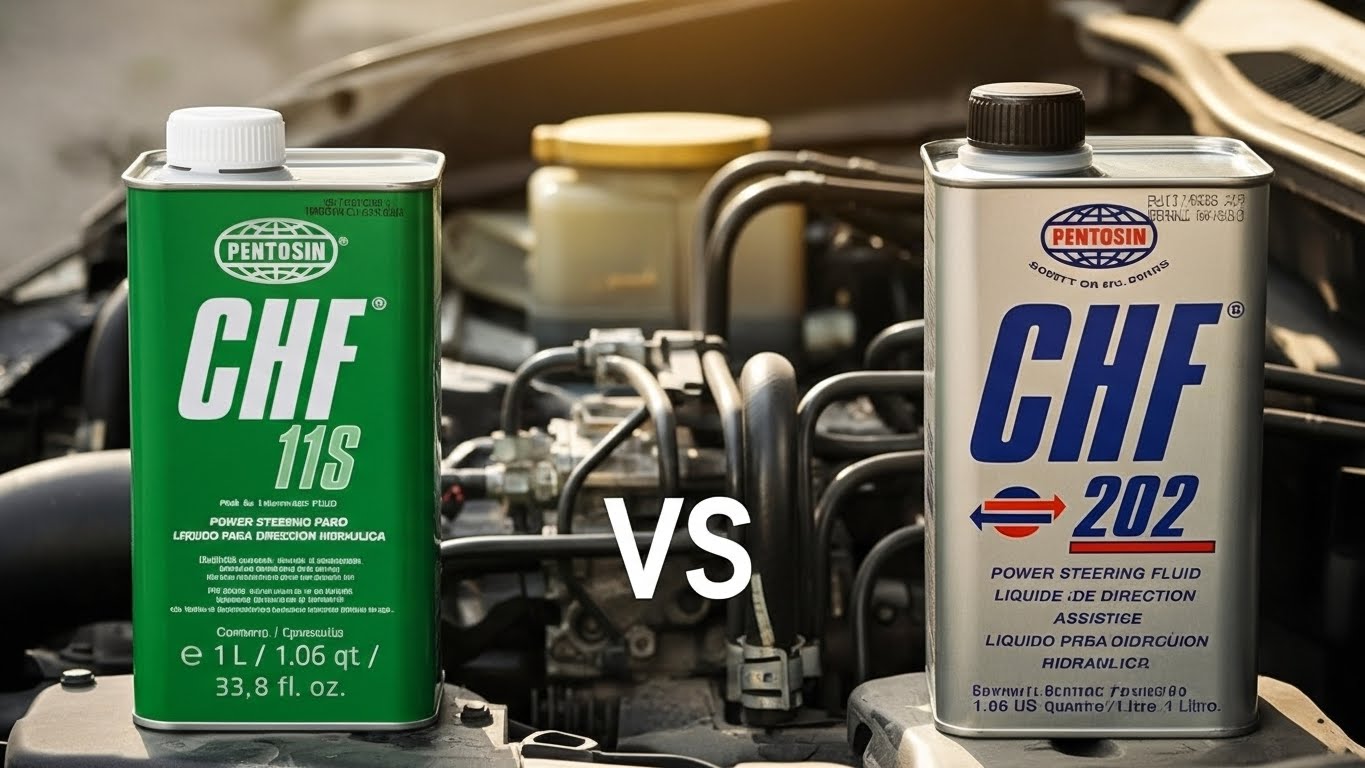
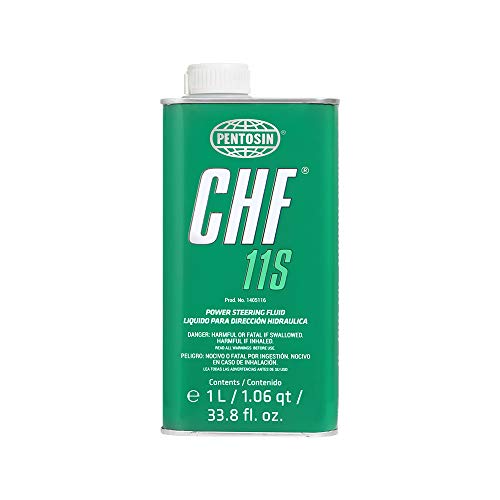
When choosing between CHF 11S and CHF 202, know that both are high-quality synthetic hydraulic fluids with similar temperature ranges and compatibility. CHF 11S offers advanced oxidation stability and superior low-temperature performance, often factory-filled in BMW and Mercedes-Benz.
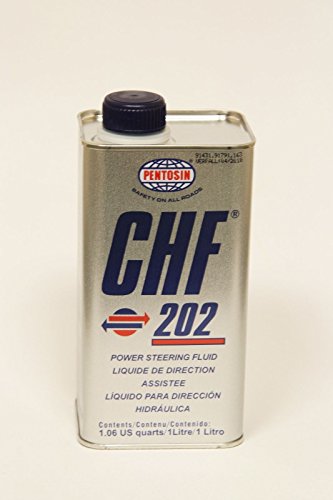
CHF 202 suits a broader range of vehicles, including VW and Audi, with strong pump protection and cost efficiency. You can safely mix them, but avoid older treatments or ATFs. Understanding their differences guarantees ideal system reliability and longevity.
Explore deeper to make the best choice for your vehicle.
| Feature | CHF 11S | CHF 202 |
|---|---|---|
| Fluid Type | Synthetic hydraulic fluid with refined base oils and hydrotreated hydrocarbons | Polyglycol-based synthetic hydraulic fluid |
| OEM Approvals | Factory fill for BMW, Mercedes-Benz, Volkswagen, Volvo | Approved for VW and Audi post-1990 |
| Temperature Range | -40°C to 130°C, excels in low temperature fluidity | -40°C to 130°C, stable for a broad range |
| Oxidation Stability | Superior oxidation resistance and aging stability | Good oxidation resistance, less advanced additives |
| Additive Package | Anti-wear, corrosion inhibitors, foam control | Detergency, friction modification, wear protection |
| Compatibility | Can mix with CHF 202; avoid older CHF types and ATFs | Can replace CHF 11S; avoid mixing with ATFs or mineral oils |
| Performance Use | Preferred for newer European vehicle models with sensitive systems | Suitable for a broader vehicle range, cost-effective |
| Cold Start Performance | Optimized for smooth oil delivery at very low temps | Good cold temperature performance |
| Cost Considerations | Higher cost, premium fluid | Typically more cost-effective |
Although both CHF 11S and CHF 202 are synthetic hydraulic fluids, they differ markedly in base fluid composition and additive formulation.
CHF 11S relies on highly refined base oils and hydrotreated hydrocarbons, emphasizing durability, oxidative stability, and compatibility with modern automotive systems. It is widely adopted by leading European manufacturers such as BMW, VW, Audi, and Mercedes, reflecting its status as an original manufacturer product.
In contrast, CHF 202 typically uses polyglycol or ester-based synthetics, which affect seal compatibility and material interactions differently. CHF 11S incorporates additives targeting oxidation prevention, anti-wear, corrosion inhibition, and foam control, tailored to stringent OEM demands.
CHF 202’s additives focus on detergency, friction modification, and wear protection but vary in concentration and chemistry. You’ll find CHF 11S offers advanced chemical stability designed for newer systems, while CHF 202’s formulation suits broader.
When you compare CHF 11S and CHF 202, both deliver reliable performance across extreme temperature ranges from -40°C to beyond 130°C. Proper fluid viscosity at low temperatures ensures efficient cold start lubrication and system protection.
CHF 11S excels in cold starts due to its optimized viscosity-temperature profile, ensuring consistent oil delivery at -40°C.
CHF 11S ensures reliable oil flow during cold starts with its optimized viscosity at -40°C.
CHF 202 matches this capability, maintaining stable function in freezing conditions and preventing viscosity-related issues. It is also specifically designed for hybrid/electric vehicles, making it suitable for modern applications requiring synthetic hydraulic fluid.
At high temperatures, both fluids resist thermal breakdown and oxidation, sustaining system reliability above 130°C.
CHF 11S offers enhanced oxidation stability and foaming control, while CHF 202 ensures smooth hydraulic operation with stable viscosity.
Both guarantee full system performance and prevent wear and corrosion across these extremes.
Since CHF 11S and CHF 202 are engineered for automotive hydraulic systems, you’ll find them widely used in power steering, active damping, and self-leveling suspensions.
They are also used in specialized applications like convertible top hydraulics and central locking systems.
Both fluids suit a broad range of European vehicles, including Porsche, Volkswagen, Audi, BMW, Land Rover, and Mercedes-Benz models. They meet strict industry standards such as ISO 7308 and DIN 51 524 T3, ensuring high quality and reliability.
CHF 202, with its advanced additive package, not only supersedes CHF 11S but also guarantees pump protection and extended system longevity. You can use CHF 202 as a direct replacement for CHF 11S without compatibility issues.
However, neither fluid fits applications requiring Dexron or ATF specs. Their formulations maintain stable hydraulic properties and protect seals across extreme temperatures, supporting reliable operation in complex, high-stress vehicle systems.
You can safely blend CHF 11S and CHF 202 since their formulations and additives are pretty similar. Just keep in mind that mixing them with older CHF fluids or conventional ATFs could lead to some issues.
Overlap exists in model and market regarding oil type, so it’s important to verify fitment before use. Incompatible chemistries might end up damaging your system, which is definitely not what you want.
Also, understanding the engine oil formulation differences can help prevent compromising performance when blending fluids. So, always make sure to follow the manufacturer guidelines. This way, you can guarantee compatibility and keep everything running at peak performance.
Although Pentosin CHF11S and CHF202 are distinct formulations, you can safely mix them without risking damage to your power steering or hydraulic system components. Both fluids share synthetic bases and OEM approvals, ensuring seamless compatibility. Hydraulic oils like these are formulated to maintain stable viscosity under varying temperature conditions.
However, avoid mixing either with ATF or mineral-based fluids, which can compromise performance and cause system issues. Additionally, CHF 202 is considered an updated version of CHF 11S, which confirms their interchangeability.
| Feature | CHF11S | CHF202 |
|---|---|---|
| Temperature Range | -40°C to 130°C | -40°C to 130°C |
| OEM Approvals | Volvo, VW, Audi, BMW | Same as CHF11S + EV Ready |
| Additive Package | Seal conditioners included | Improved oxidation resistance |
When you blend fluids with incompatible additive packages, chemical reactions can degrade performance and damage your hydraulic system. Such incompatibility leads to additive breakdown, increasing wear, corrosion, and oxidation risks.
For example, mixing CHF 11S or CHF 202 with older formulas like CHF 7.1 or with ATF and conventional power steering fluids compromises protective properties. Improper blends also alter viscosity-temperature behavior, risking flow restriction or delayed response under extreme temperatures.
Moreover, foaming and poor air separation from chemical conflicts reduce lubrication film strength, causing erratic operation and accelerated component wear. These issues decrease system reliability by promoting sludge buildup and frequent maintenance needs.
To avoid costly damage and efficiency loss, ensure you never mix incompatible hydraulic fluids or additives, maintaining the integrity and longevity of your system.
Notably, CHF 11S is compatible with CHF 202 but should not be mixed with CHF 7.1 or other hydraulic oils to maintain optimal system performance and compatibility with hydraulic fluids. Consider the fluid replacement frequency to maintain system reliability and avoid premature wear.
Since CHF 11S and CHF 202 share compatible additive packages and meet similar technical standards, manufacturers endorse their interchangeable use and mixing. You can blend these fluids without compromising system performance or integrity.
Many European automakers like VW, BMW, and Audi specify either fluid for their hydraulic and power steering systems. However, you must avoid mixing CHF 11S or CHF 202 with older formulas like CHF 7.1 or with non-CHF fluids such as ATF or conventional power steering oils. This can degrade performance and cause damage.
Always consult your vehicle’s service manual or fluid cap to confirm the recommended fluid type. Stick strictly to blending CHF 11S only with CHF 202, following manufacturer guidelines to maintain ideal system function and prevent compatibility issues.
For optimal performance, it is essential to consider the filtration efficiency of fluids and components used in your vehicle’s systems.
How do OEM specifications and manufacturer approvals shape your choice between CHF 11S and CHF 202?
Both fluids meet stringent OEM standards but target different vehicle groups: CHF 11S serves as factory fill for BMW, Mercedes-Benz, Volkswagen, and Volvo models. This broad OEM acceptance highlights the importance of choosing fluids that meet manufacturer approvals.
Meanwhile, CHF 202 is explicitly approved for VW and Audi vehicles post-1990 under specification G 002 000. CHF 11S often replaces CHF 202 and is recognized by multiple manufacturers, including Hyundai/Kia and Mercedes-Benz, reflecting broad compatibility.
You must verify your vehicle’s cap or reservoir label since these fluids aren’t backward compatible with older types like CHF 7.1 and shouldn’t mix with non-specified fluids.
Manufacturer cross-references confirm interchangeability in many cases, but precise adherence to OEM approvals guarantees system integrity and longevity.
Additionally, TRIAX Powerfluid 450 PSF offers a full synthetic, OEM-grade hydraulic fluid formulation that provides superior oxidation stability and seal protection, ensuring optimal system performance.
Both CHF 11S and CHF 202 have stable viscosity across various temperatures, which is great. However, if you need something that performs well in colder conditions, CHF 11S stands out with its superior low-temperature fluidity and optimized viscosity profiles.
Now, when we talk about oxidation, there’s a bit of a difference. CHF 11S offers enhanced aging stability thanks to some proprietary additives it has, while CHF 202 takes a different approach by focusing on its formulation to prevent oxidation.
Understanding these differences can really help you assess their performance and longevity in hydraulic systems. Proper maintenance and regular oil changes are essential to prevent oxidation and contamination that can degrade oil performance over time.
Understanding the density and viscosity of Pentosin CHF 11S and CHF 202 is essential for evaluating their performance in automotive hydraulic systems.
CHF 11S excels with optimized low-temperature viscosity and density, ensuring fluidity and quick delivery in cold starts.
Both fluids maintain density between 0.85-0.95 g/cm³, standard for synthetic hydraulics. Selecting the correct hydraulic fluid based on temperature considerations can significantly affect equipment operation and longevity.
| Property | CHF 11S | CHF 202 |
|---|---|---|
| Density Range | ~0.85-0.95 g/cm³ (cold-optimized) | ~0.85-0.95 g/cm³ (standard) |
| Viscosity | Superior low-temp stability | Stable viscosity at operating temps |
| Physical Impact | Enhances cold flow and air separation | Maintains viscosity under shear stress |
While both CHF 11S and CHF 202 deliver solid oxidation resistance, CHF 11S stands out with its specialized additive package that enhances aging stability and thermal performance.
You’ll find CHF 11S offers outstanding protection against oxidative degradation, extending fluid life and reducing sludge formation under thermal stress up to 130°C.
Its proprietary anti-corrosion and anti-wear additives maintain chemical stability and system integrity, especially in sensitive hydraulic components.
CHF 202, a synthetic high-performance fluid, also supports long-term use but lacks detailed oxidation stability data. Both fluids minimize viscosity loss at elevated temperatures, yet CHF 11S explicitly tolerates higher thermal exposure.
However, CHF 11S’s unique additive chemistry restricts blending with older fluids. Ultimately, if oxidation resistance and thermal stability are your priorities, CHF 11S provides superior, well-documented performance.
Additionally, selecting fluids with broad compatibility ensures optimal performance across different system types and conditions.
Because CHF 202 fully supersedes CHF 11S and matches its specifications, you can confidently select CHF 202 as a direct replacement without risking compatibility or performance issues.
CHF 202 fully replaces CHF 11S, ensuring compatibility and reliable performance as a direct substitute.
It offers slightly improved viscosity and lubricity, optimized for newer vehicles, and costs less per liter, enhancing value. Both fluids are dark green in appearance, making visual identification straightforward. This aligns with the importance of viscosity retention in ensuring reliable performance under varying conditions.
When deciding, consider:
You won’t see any fuel efficiency gains by switching to CHF 11S or CHF 202. These fluids optimize hydraulic system performance and durability but don’t influence engine combustion or drivetrain efficiency.
While they reduce wear and ensure smooth operation, no manufacturer or independent study confirms improved fuel economy from their use. Stick to the recommended fluid for system health, but don’t expect it to boost your vehicle’s mileage.
Think of CHF 11S and CHF 202 as two runners in the environmental race.
You’ll find CHF 11S leading with better oxidation stability and lower toxicity.
You’ll reduce leakage risks and disposal harm by choosing CHF 11S, thanks to advanced additives and enhanced biodegradability.
While CHF 202’s older formulation carries higher contamination potential, CHF 11S’s longer service life and improved environmental profile make it the smarter, greener choice for your hydraulic system.
You won’t notice a significant difference in noise reduction between the two fluids.
Both are formulated for European hydraulic systems and include additives aimed at minimizing steering noise and shudder.
Since no official tests highlight differences, you can expect comparable performance regarding noise reduction with either fluid.
You won’t see any changes in your hydraulic system maintenance intervals when using CHF 11S or CHF 202.
Both fluids maintain stability and protect components equally, supporting the manufacturer’s recommended service schedules.
CHF 202’s improved oxidative stability might slightly extend fluid life, but not enough to alter routine maintenance.
Think of CHF 11S as a delicate flower needing shade and cool air. It must stay below 60°C, avoid freezing, and be stored horizontally if outdoors.
CHF 202, by contrast, is a hardy shrub, tolerating standard industrial storage without strict temperature limits but must avoid food contamination.
You’ll need to guarantee both are kept dry and ventilated, but CHF 11S demands more careful handling to preserve its stability and performance.
Choosing between CHF 11S and CHF 202 is like picking the right tool for a delicate watch repair. Precision matters. Just as a tiny gear demands specific lubricant, your vehicle’s system requires the correct fluid for peak performance.
With CHF 11S excelling in temperature resilience and CHF 202 offering broader OEM approvals, understanding their distinct properties ensures you won’t compromise reliability. Make your choice based on exact needs, not convenience, to keep your system running smoothly.


Last update on 2026-10-10 / Affiliate links / Images from Amazon Product Advertising API