Physical Address
304 North Cardinal St.
Dorchester Center, MA 02124
Physical Address
304 North Cardinal St.
Dorchester Center, MA 02124

Your 1995 Mustang’s rear end grinds and groans under acceleration. Filling the differential with thick, sticky fluid feels like a messy chore. That old gear oil makes every drive rough and noisy.
Valvoline FlexFill features a clever pouch for spill-free pouring and quiet limited slip action. Mobil 1 Synthetic uses high-temp additives to reduce chatter and protect gears. Both improve your rear end’s performance but use different methods.
Lucas Oil Heavy Duty 85W-140 serves drivers who need extra thick fluid for heavy loads and towing. It guards your Mustang’s gears during hard climbs and hauling.
| Image | Name | Editor's Rating | Price |
|---|---|---|---|

|
Valvoline FlexFill Advanced Full Synthetic 75W-90 Gear Oil 1...
|
|
|

|
Mobil 1 Gear Oil, 75W90, Limited Slip Additive, Synthetic, 1...
|
|
|

|
Lucas Oil 10042 Heavy Duty High Performance SAE 85W-140 Gear...
|
|
|

|
Motul Gear 300 75W90 100 Percent Synthetic Gear Oil 1 Liter ...
|
|
|

|
Ford Genuine Fluid XY-75W140-QL SAE 75W-140 Synthetic Rear A...
|
|
Maintaining optimal differential performance hinges on selecting the right rear end fluid. Understanding the distinct benefits of top gear oils can help keep your 1995 Mustang running smoothly and quietly.
Filling your differential fluid shouldn’t feel like a workout. The unique FlexFill pouch introduces a fast, mess-free way to pour, delivering twice the fluid with half the effort and speeding up your maintenance sessions significantly.
Designed to enhance the clutch pack’s function in limited slip setups, it extends protection under towing strain and heavy workloads. The formula offers 30% better durability against gear wear compared to basic oils, reducing the chatter often associated with older lubricants.
Valvoline’s full synthetic base shields internal components even in extreme temperatures, maintaining fluidity down to -50F and guarding against thermal breakdown up to 300F. Add corrosion inhibitors, and you get an oil that both protects and prolongs rear end life by fighting rust and impurities.
This gear oil meets multiple industry standards and doesn’t need extra friction modifiers. It’s also versatile for non-synchronized manual transmissions requiring API GL-4 or GL-5 rated fluids. The brand’s reputation for quality shines through in this advanced lubricant.
Best for: Enthusiasts needing a reliable lubricant that reduces gear noise and sustains performance under heavy use in classic and modern limited slip differentials.
Pros:
Cons:
Formula designed to excel in extreme driving conditions, this gear lubricant stands out for maintaining stable viscosity through fluctuating temperatures. Its synthetic base ensures enhanced protection against wear and tear, making it ideal for modern vehicles demanding reliable gear performance.
Delivering optimal transfer efficiency, Mobil 1 expertly addresses challenges seen in limited slip differentials. The additive package helps reduce chatter and maintain smooth engagement, which many expect only from specialty oils, yet it’s combined here with the benefits of a premium synthetic blend.
Engineered to meet GL-5 specifications, this product covers a wide range of light-duty truck and SUV gearboxes, proving its versatility beyond typical passenger cars. Its application in auto racing environments shows the robust formulation behind this lubricant.
The 1-quart bottle packaging offers convenient usage for periodic maintenance or topping off differential fluids. Mobil’s commitment to innovation ensures continual refinement of their lubricants, contributing to long-term drivetrain durability and drive confidence.
Best for: Enthusiasts needing dependable, synthetic gear lubrication that supports smooth, stable performance in varying temperature conditions.
Pros:
Cons:
Climbing steep gradients or powering through tight corners demands a lubricant that stands up to extreme stress. Lucas Oil’s gear oil is formulated with climbing additives that ensure complete protection under intense load.
Enhanced with anti-wear and lubricity agents, it helps minimize friction and combat drag, extending the life of hypoid gears and power dividers. Its non-foaming characteristic guarantees consistent performance, even in the most taxing conditions.
Specially designed for use in limited slip differentials, this formula resists fluid breakdown when exposed to moisture, a critical feature for preserving equipment in variable environments. It also maintains integrity in cold climates down to -12°C (10.4°F), protecting parts during chilly starts.
Lucas Oil´s reputation for delivering robust automotive lubrication makes this a reliable choice. Its API GL-5 service rating and compliance with numerous industry specifications highlight its capability to meet the rigorous demands of heavy-duty use. Experience superior gear protection and longevity with this advanced lubricant designed to tackle high-performance automotive needs.
Best for: Enthusiasts maintaining challenging drivetrains and those requiring dependable protection in limited slip and hypoid gear setups.
Pros:
Cons:
Maintaining optimal gear performance in your classic car demands more than just any lubricant. Motul’s formulation delivers a full synthetic blend tailored for enduring stressful driving conditions. At 75W90 viscosity, it balances smooth gear shifts with robust protection against wear.
Designed for diverse vehicles, including cars and motorcycles, this oil’s medium-to-high viscosity helps resist thermal breakdown up to 392°F. That reliability minimizes metal-to-metal contact and gear chatter, which is critical for preserving differential components.
Packaged in convenient 1-liter bottles with two included, it offers enough fluid for thorough maintenance jobs, ideal for rear differential servicing. Motul’s precise compatibility supports vehicle-specific needs, ensuring fluid longevity and mechanical harmony without compromise.
Users often overlook the role of synthetic gear oil in extending component life, but with Motul, you’ll harness enhanced shear stability and oil film integrity. Its proprietary technology helps reduce friction and heat build-up, which can degrade conventional oils under stress.
Trustworthy fluid consistency coupled with strong thermal resistance places Motul among premium options for drivers refusing to settle for common, less durable alternatives.
Best for: Enthusiasts aiming to safeguard drivetrain components in performance-oriented or vintage vehicles demanding tailored gear lubrication.
Pros:
Cons:
Maintaining optimal differential performance demands the right lubricant, especially when your ride calls for durability under stress. Ford’s synthetic formulation offers a robust 75W-140 viscosity grade tailored to handle both high and low temperature extremes while protecting critical rear axle components.
Designed to match OEM specifications precisely, this axle oil delivers excellent shear stability and consistent lubrication that preserves gear integrity and ensures smooth power transfer. Its fully synthetic base provides enhanced resistance to breakdown, making it ideal for spirited drives or extended highway cruising.
The pack includes four one-quart bottles, ideal for thorough maintenance sessions or multiple service intervals. Ford’s commitment to quality means you’ve got a lubricant that fits perfectly, supporting your drivetrain’s longevity.
Trust in a fluid engineered to keep you confidently on the road. Look for the genuine Ford part number 75W-140 to know you’re getting a product crafted explicitly for your car’s exact fit and function.
Best for: Enthusiasts and classic Mustang owners seeking reliable, high-performance rear axle lubrication to maintain smooth differential operation under varied driving conditions.
Pros:
Cons:

Optimizing drivetrain efficiency requires more than just a standard lubricant. Red Line’s 75W90 gear oil is engineered to meet the demanding conditions of racing and limited-slip differential applications, ensuring your vehicle’s rear end performs smoothly under stress.
Its synthetic formulation prevents slippage and maintains consistency at variable temperatures, providing stable viscosity and protection for gears under heavy load. This oil adheres to manufacturer specifications, offering a reliable choice for those who push their ride beyond everyday driving.
Developed in the United States, this 32 fluid ounce bottle supplies the right volume for precision maintenance. Installing this fluid can help sustain the mechanical integrity of transmissions and transaxles, avoiding premature wear and enhancing component longevity.
Though designed with racers in mind, this fluid’s quality benefits anyone requiring robust gear protection. Trusting a specialist brand like Red Line supports keeping your powertrain operating with minimal friction and maximal control.
Best for: Enthusiasts and mechanics looking for a specialized gear oil that excels in demanding conditions and limited-slip setups.
Pros:
Cons:
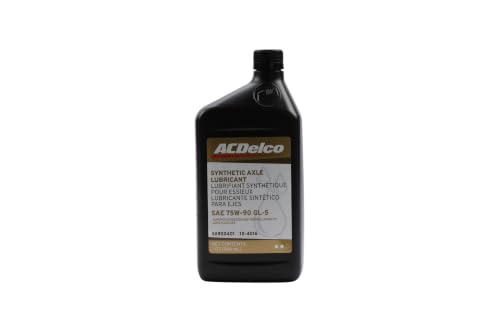
Finding a lubricant that handles intense heat without losing its protective qualities can be tough. ACDelco engineered this synthetic axle oil to perform under severe driving conditions, making it a reliable choice for gear protection.
With a precise 75W-90 viscosity rating, it maintains fluidity in cold starts and resists breakdown at high speeds. This balance ensures smooth shifting and dependable rear-end operation.
A subtle grape scent adds an unexpected touch, easing the typical hassle of fluid changes.
Formulated to meet API GL-5 standards, this lubricant stands up to the stress of torque and pressure often encountered in muscle cars like the Mustang. It’s contained in a handy one-quart bottle, making refills neat and straightforward.
ACDelco’s name here signals a component crafted with care for precise vehicle needs, helping you maintain the differential’s longevity without compromise. Expect a mix of temperature resilience and robust protection with every application.
Best for: Enthusiasts aiming for durable differential protection during spirited driving and those needing reliable performance across temperature extremes.
Pros:
Cons:
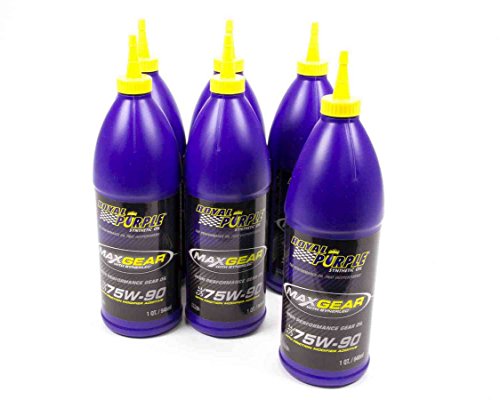
Maximize the durability and efficiency of your vehicle’s differential with a gear oil engineered for heavy-duty conditions. Royal Purple’s specialized formula combines premium synthetic base oils with a proprietary additive system designed to reduce wear and friction. This means your Mustang’s driveline components can operate cooler and quieter under demanding loads.
Experience smoother gear transitions and enhanced power delivery, thanks to a lubricant that actively minimizes drivetrain drag. Ideal for those who push their cars hard or tackle challenging driving scenarios, this oil supports sustained performance without the common trade-off of increased maintenance.
Crafted with a friction modifier, this oil requires no extra additives, simplifying maintenance while ensuring consistent protection. The synthetic blend is compatible with various metal components, helping extend the life of gear sets and bearings.
The bulk 6-quart packaging provides ample supply for thorough fluid changes, supporting ongoing care and optimal rear-end operation. Royal Purple’s reputation in automotive lubricants adds a trusted name to this high-quality option.
Best for: Enthusiasts who demand high-performance protection and smoother operation for rear axles under intense driving conditions.
Pros:
Cons:

Maintaining smooth drivetrain function hinges on selecting a lubricant that can handle intense pressure and heat common in rear axles. Motorcraft’s synthetic oil offers a precisely balanced viscosity designed to reduce metal-to-metal friction and wear in demanding automotive environments.
Engineered to support consistent gear engagement, this lubricant helps sustain peak performance by minimizing sludge buildup. The 32-ounce bottle delivers enough fluid for thorough maintenance, ensuring components operate with reliable protection against wear and corrosion.
Expect improved longevity for your rear differential gears, thanks to Motorcraft’s formulation that resists thermal breakdown under stress. Its synthetic base fluid provides stable viscosity even in fluctuating temperatures, which is crucial for maintaining optimal operation over time.
Users relying on this OEM-recommended oil can benefit from maintaining factory standards in their vehicle’s drivetrain system, promoting smoother shifts and quieter gear function. Motorcraft’s product fits perfectly for those seeking consistent, proven lubrication without compromise.
Best for: Enthusiasts and mechanics requiring dependable, OEM-level protection for rear axle components in performance and daily-driven cars.
Pros:
Cons:

Enduring the demands of high-performance and severe duty applications requires a lubricant with exceptional resilience. Designed to withstand intense heat and pressure, this synthetic gear oil excels in maintaining stable viscosity under challenging conditions. Its heavy-duty formulation is perfect for minimizing wear during intensive towing, racing, or commercial use.
Advanced additive technology resists breakdown from elevated temperatures to prevent the build-up of acids and varnish, which can compromise component longevity. By effectively reducing operating temperatures, it supports optimal mechanical function and extends service intervals.
Rated at 75W-90, this lubricant offers excellent flow characteristics in both hot and cold weather, ensuring smooth gear engagement and consistent protection regardless of environment. Packaged in a convenient quart pouch, it simplifies refills without mess or waste.
Amsoil’s reputation for quality shines through in this product, delivering robust protection against metal-to-metal contact and reducing noise and vibration in the drivetrain. It’s a smart choice when seeking to preserve the integrity of performance vehicles or heavy-use machines. Its synthetic composition enhances shear stability, helping maintain fluid integrity where conventional oils might falter.
Best for: Enthusiasts needing durable, reliable lubrication for high-stress driving conditions and those aiming to extend the life of their drivetrain parts.
Pros:
Cons:
| Product Name | Viscosity Grade | Container Type | Liquid Volume | Material |
|---|---|---|---|---|
| Valvoline FlexFill 75W-90 | 75W-90 | Pouch | 32 fl oz | Synthetic |
| Mobil 1 Synthetic 75W-90 | 75W-90 | Bottle | 1 quart (32 fl oz) | Plastic |
| Lucas Oil Heavy Duty 85W-140 | 85W-140 | Bottle | 1 quart (32 fl oz) | Plastic |
| Motul Gear 300 75W-90 | 75W-90 | Bottle | 2 liters (67.62 fl oz) | – |
| Ford Genuine Fluid 75W-140 | 75W-140 | Bottle | 946 ml (approximately 32 fl oz) | Synthetic |
| Red Line 75W-90 Non-Slip | 75W-90 | Bottle | 32 fl oz | Plastic |
| ACDelco GM Original 75W-90 | 75W-90 | Bottle | 0.94 liters (32 fl oz) | Synthetic |
| Royal Purple Max Gear 75W-90 | 75W-90 | Bottle | 192 fl oz (6 quarts) | Copper, Synthetic, Brass, Metals |

Picking the right rear end fluid can make a world of difference in how your 1995 Mustang’s differential performs and lasts. This isn’t just about filling a reservoir; it’s about matching the fluid’s specific properties to your car’s needs under various driving conditions.
Viscosity refers to how thick or thin the fluid is at different temperatures. This factor is make-or-break because the fluid needs to flow correctly at both cold starts and high operating temps. The 1995 Mustang benefits from a fluid around 75W-90 or 75W-140, depending on usage and climate.
The numbers in viscosity grades like 75W-90 indicate the oil’s flow at winter temps (“W”) and its thickness at operating temperature. A 75W-90 fluid balances easier cold flow with reliable protection when hot, while 75W-140 fluids provide thicker films ideal for heavy load or towing situations. For example, Lucas Oil’s 85W-140 offers extra thickness when you need maximum protection in demanding driving.
Ignoring correct viscosity can lead to either sluggish shifting or poor film strength, resulting in premature gear wear and noise. Too thin a fluid at operating temperature can cause metal contact, while too thick fluid causes drag and reduces fuel efficiency.
Synthetic fluids are engineered for stability and endurance under stress. This matters because conventional oils break down faster and lose their protective qualities after repeated heat cycles or load stress.
Many top options, such as Valvoline FlexFill and Red Line, use synthetic bases formulated to resist thermal degradation and maintain consistent lubrication. Synthetic molecules are precisely uniform and better at resisting oxidation and shearing forces than conventional oil molecules, translating to longer-lasting protection for hypoid gears.
Running a conventional fluid where a synthetic is recommended can cause accelerated wear and increase the risk of fluid breakdown. For a Mustang with limited slip or high-performance demands, sticking to synthetic means more reliable differential function over time.
Your 1995 Mustang’s differential might feature a limited slip design that uses clutch packs to transfer power efficiently. Without proper additives, these clutches can chatter, wear prematurely, or slip excessively under load.
Fluids like Mobil 1 and Valvoline FlexFill include friction modifiers tailored to improve clutch pack operation and reduce noise. These additives provide a thin film that allows clutch plates to engage smoothly rather than chatter, which is often heard as a clicking or grinding sound in turns.
Neglecting the right additive package means more than noise—it can lead to clutch pack damage and compromised traction. Limited slip performance hinges on having a fluid that both lubricates gears and conditions the friction material.
Packaging plays a bigger role than many realize in ensuring a smooth rear end fluid change. A clean, controlled pour prevents mistakes like spills or overfilling, which can cause leaks or damage to your Mustang’s differential. The right packaging makes the task less frustrating and more precise.
Valvoline’s FlexFill pouch is a good example. Its flexible design lets you squeeze fluid out steadily without heavy lifting or awkward angles. Most other brands use traditional plastic bottles that often require funnels or extra care to avoid messes. A well-designed container also helps keep the fluid free from airborne contaminants during the refill process.
Skipping this detail often means dealing with accidental spills or uneven fills, which can disrupt proper lubrication. This leads to excessive wear or leaks, cutting down your rear end’s lifespan and performance. Smooth handling during fluid changes is a small step that pays off big in reliability.
Rear end fluid must withstand intense heat generated by constant metal-to-metal contact inside the differential. This factor is critical because fluids that degrade or thin out under heat fail to protect gears properly, risking premature wear.
High-performance brands like Motul and Royal Purple offer formulas engineered to resist thermal breakdown at temperatures up to 392°F. Their additives help fluids keep the right viscosity and lubricating power even during heavy acceleration or towing.
Ignoring heat resilience leads to serious issues. When fluid thins, it can’t cushion moving parts, increasing friction and wear. This results in noisy operation, damaged gears, and eventually costly repairs that could have been avoided with the right fluid choice.
Matching the rear end fluid to Ford’s OEM specifications is crucial for your Mustang’s rear axle. It ensures the fluid has the right additives and viscosity grade, like API GL-5, to protect gears from wear and withstand shear forces. Using the correct fluid keeps the drivetrain running smoothly and prevents premature component failure.
The technical side is all about meeting those strict OEM standards, including shear stability and thermal resistance. For example, Ford Genuine 75W-140 oil is engineered to maintain viscosity under extreme pressure and heat, supporting gear life. Brands like ACDelco also follow API GL-5 ratings, ensuring their fluids resist breakdown and maintain lubrication quality during intense driving conditions.
Ignoring OEM compatibility can cause serious trouble. Fluids that don’t meet specs might degrade seals or fail to protect gears, leading to leaks or noisy operation. This often results in accelerated wear or expensive repairs. Sticking with OEM-approved fluids is key for preserving your Mustang’s performance and avoiding costly downtime.
The volume of rear end fluid required and the refill interval are crucial for smooth Mustang maintenance. Different rear ends demand specific fluid quantities, making volume a key factor when planning service. Knowing how often to replace fluid helps avoid premature wear or damage to the differential components.
Options vary widely. For example, Motul sells 2-liter bottles ideal for one or two changes, while Royal Purple offers 6-quart cases, great for multiple vehicles or longer intervals. The choice impacts cost efficiency and fluid freshness. Over time, gear oils lose viscosity and protective qualities, so sticking to the right refill schedule is vital.
Running on low or old fluid increases contamination risks and reduces lubrication effectiveness. Ignoring refill needs can cause noisy gears, increased friction, and eventual costly repairs. Staying on top of volume and frequency keeps your Mustang’s rear end healthy and performing reliably.
The ideal viscosity grade for a 1995 Mustang rear end is generally 75W-90. This grade balances performance across varying temperatures and driving conditions, protecting gears from wear and maintaining smooth operation. Many gear oils formulated at 75W-90 include additives designed for limited-slip differentials, common in Mustangs.
For tougher loads or high-temperature situations, some prefer 75W-140 for extra protection, but it may be thicker in cold starts. Stick to manufacturer recommendations or consult the owner’s manual.
Always confirm compatibility with your Mustang’s differential type before selecting thickness, as using the wrong viscosity can affect shifting and longevity.
Synthetic gear oils are highly recommended for a 1995 Mustang’s rear differential due to their superior thermal stability and wear protection. They handle both high and low temperatures better than conventional oils, extending the differential’s lifespan and improving performance under stress.
Brands like Valvoline FlexFill and Mobil 1 offer synthetic formulations with limited-slip additives, specifically designed to reduce chatter and improve clutch pack function in Mustang differentials.
Be sure to check that the synthetic oil meets the required API GL-5 or OEM specs for your Mustang to avoid compatibility issues.
Limited-slip additives reduce noise (chatter) and improve traction in rear differentials equipped with limited-slip clutches, which is common in Mustangs. They enhance clutch pack engagement, making gear transitions smoother and more reliable under aggressive driving or towing.
Mobil 1 and Red Line gear oils include these additives to reduce friction between clutch plates, preventing slipping and wear without compromising gear protection.
If your 1995 Mustang uses a limited-slip differential, using a fluid without these additives can cause premature wear or excessive noise, so always choose oils labeled for limited-slip use.
Changing the rear end fluid every 30,000 to 50,000 miles is a good rule of thumb for a 1995 Mustang to maintain optimal differential function. Regular changes prevent buildup of metal particles and sludge that can wear gears and bearings.
More frequent changes are recommended if the car is used for towing, racing, or in harsh climates where fluid degradation happens faster. Some enthusiasts opt for synthetic fluids for longer intervals, but always monitor for contamination or unusual noises.
Check your Mustang’s manual for specific maintenance intervals and visually inspect the fluid during changes for signs of excessive wear or contamination.
Ford Genuine 75W-140 synthetic rear axle oil is a solid option if your 1995 Mustang requires a thicker 75W-140 viscosity. It meets OEM specifications and provides strong shear stability, delivering consistent lubrication under diverse temperature extremes and driving conditions.
This fluid is particularly beneficial for Mustangs used in hot climates or under heavy loads where higher viscosity helps maintain gear protection. It aligns well with the original equipment design and performance expectations.
Ensure that your Mustang’s rear differential calls for 75W-140 before use, as using a thicker fluid than necessary can impact cold-weather drivability and fuel economy.
Choosing the optimal rear end fluid transforms your 1995 Mustang’s differential by reducing wear and controlling heat effectively. This leads to enhanced gear engagement and extended axle life, ensuring your car responds flawlessly under various driving conditions. The right fluid is essential for maintaining reliability and improving overall drivability.
For everyday use, synthetic 75W-90 oils such as Valvoline FlexFill offer excellent balance between protection and smooth operation. Enthusiasts who tow or push their Mustangs harder should opt for heavier 85W-140 fluids like Lucas Oil, while those wanting exact OEM standards may prefer Ford Genuine fluids. Limited slip differentials demand additives present in specialized options like Red Line or Mobil 1 to eliminate clutch chatter.
Check your Mustang’s fluid viscosity requirements before every change to avoid premature wear. Warming the fluid prior to filling helps achieve a complete fill and prevents air bubbles. Following recommended service intervals and fluid specifications is critical to keep your rear differential functioning at its best.
Last update on 2026-11-09 / Affiliate links / Images from Amazon Product Advertising API