Physical Address
304 North Cardinal St.
Dorchester Center, MA 02124
Physical Address
304 North Cardinal St.
Dorchester Center, MA 02124

You’ll find that 4-cycle fuel is fundamentally standard unleaded gasoline without oil mixed in. It is made for engines with separate lubrication systems.
Unlike 2-cycle engines requiring a precise oil-gasoline mix, 4-cycle engines rely on dedicated oil reservoirs.
Using 4-cycle fuel in 2-cycle engines leads to lubrication failure and damage.
Ethanol in gasoline can cause component degradation and reduce efficiency.
Proper storage and fuel choice markedly impact engine health and performance.
Explore these factors to optimize your engine’s longevity and efficiency.
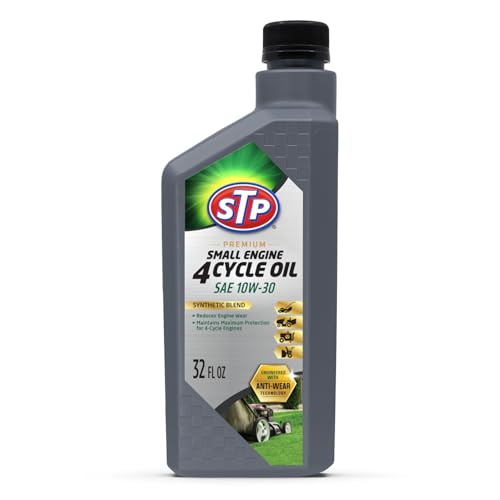
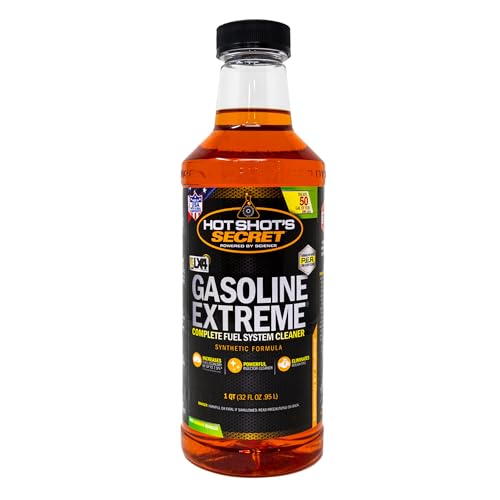
| Comparison Point | 4 Cycle Fuel | Gasoline | Best Choice |
|---|---|---|---|
| Basic Meaning | Standard unleaded fuel used in 4-cycle engines without oil mixed in | General fuel category used in cars, small engines, and equipment | 4 cycle fuel for small engines |
| Oil Mixing | Requires no oil mixing because the engine has a separate oil reservoir | May be confused with fuel used for 2-cycle oil mixtures | 4 cycle fuel for proper lubrication setup |
| Engine Compatibility | Designed for 4-stroke engines such as mowers, generators, and pressure washers | Works only when the engine’s fuel requirements match | Depends on engine type |
| Ethanol Concerns | Ethanol-free options help reduce corrosion and fuel degradation | Pump gasoline may contain ethanol, which can absorb moisture | Ethanol-free fuel for storage stability |
| Performance Impact | Helps maintain clean combustion and steady engine operation | Ethanol-blended gasoline may slightly reduce efficiency | 4 cycle fuel for consistent performance |
| Storage Life | Stores better when ethanol-free and stabilized | Can degrade faster, especially with ethanol exposure | 4 cycle fuel for longer storage |
| Wrong Fuel Risk | Using it in a 2-cycle engine can cause lubrication failure | Incorrect gasoline or oil mix can damage small engines | Always follow manufacturer guidance |
| Engine Health | Supports less carbon buildup, cleaner plugs, and longer life | Poor-quality or old gasoline may cause fouling and deposits | 4 cycle fuel for engine protection |
| Best Use Case | Best for 4-cycle lawn tools, generators, and outdoor equipment | Best when matched to the correct engine and fuel rating | Match fuel to equipm |

When you look closely at 4-cycle fuel, you’ll find it’s fundamentally standard unleaded gasoline without any oil mixed in, designed specifically for engines with separate oil reservoirs.
Unlike 2-cycle engines requiring oil-gas mixtures for lubrication, 4-cycle engines rely on independent oil systems.
Mixing oil into the fuel isn’t necessary and can cause spark plug fouling.
This distinction is critical: straight gasoline serves as the base fuel for both automotive and 4-cycle engine applications, but 4-cycle fuel strictly excludes lubricant additives.
This exclusion helps maintain combustion efficiency and prevents carbon buildup.
Using improper fuel types compromises engine performance and longevity.
4-cycle engines demand pure gasoline to operate at peak performance with their distinct lubrication mechanics and to avoid damage from incorrect fuel composition.
For optimal engine health, fuel stabilizers like STA-BIL Fuel Treatment are recommended to prevent corrosion and maintain fuel freshness during storage.
You might’ve noticed that ethanol in fuel can really take a toll on carburetor components, fuel lines, and gaskets in 4-cycle engines. This degradation can compromise long-term reliability, which is definitely something to keep in mind.
On top of that, ethanol-blended gasoline comes with its own set of storage challenges. Did you know it can phase-separate and start to deteriorate within just 30 days if you don’t use stabilizers? That can really reduce the quality of your fuel.
And there’s more: the ethanol content can slightly lower fuel efficiency and lead to increased carbon buildup when compared to ethanol-free alternatives. This can ultimately impact your engine’s overall performance, which isn’t ideal for anyone looking to keep their engine running smoothly.
Using specialized ethanol fuel treatments can help prevent corrosion, improve combustion, and extend the life of your fuel system components.
Although ethanol-blended fuels are common at pump stations, they pose specific challenges for 4-cycle engines by accelerating the degradation of carburetor components, fuel lines, and gaskets.
Ethanol’s hygroscopic nature draws moisture into the fuel system, promoting corrosion and swelling of rubber and plastic parts. This leads to brittle fuel lines and compromised gasket seals, increasing the risk of leaks and component failure.
Additionally, ethanol can cause phase separation, resulting in water-rich layers that further damage metal surfaces and disrupt combustion. Over time, these effects reduce engine reliability and efficiency.
To maintain peak performance, you should inspect and replace vulnerable components regularly when using ethanol-blended fuels. Alternatively, opt for ethanol-free gasoline to mitigate these degradation mechanisms inherent to 4-cycle engine systems.
Using the correct fuel system maintenance practices can help mitigate ethanol-related damage and prolong engine life.
Frequently overlooked, fuel storage presents significant challenges for 4-cycle engines due to ethanol’s chemical properties. Ethanol attracts moisture, accelerating phase separation and causing gasoline to degrade within 30 days under typical storage conditions.
This compromises fuel quality, leading to poor combustion and potential engine damage. You must avoid storing ethanol-blended fuel long-term without stabilizers; these additives inhibit oxidation and phase separation, preserving fuel integrity.
Ethanol-free gasoline offers superior shelf life and reduces risks of carburetor corrosion and gasket deterioration. If you use ethanol-blended fuel, add a fuel stabilizer like STA-BIL 360 Protection every time you fill your gas can.
Regularly draining old fuel prevents contamination. Proper fuel management safeguards your 4-cycle engine and maintains reliable operation while avoiding ethanol-induced deterioration during storage periods. Ethanol’s phase separation risk increases with moisture absorption, making stabilizers essential for fuel longevity.
Managing fuel storage effectively sets the foundation for peak engine performance, especially when considering ethanol’s influence on combustion efficiency in 4-cycle engines.
Ethanol-blended fuels, typically containing up to 10% ethanol, tend to absorb moisture, accelerating fuel degradation and phase separation within 30 days. This compromises combustion quality.
Moisture intrusion reduces fuel energy content, leading to approximately 1% lower fuel efficiency compared to ethanol-free alternatives. Additionally, ethanol’s corrosive nature can deteriorate carburetor components and fuel lines, impairing fuel delivery and engine responsiveness.
By using ethanol-free gasoline or stabilizers, you minimize carbon buildup and maintain cleaner combustion chambers, optimizing performance.
Proper filtration and storage practices are essential to prevent water contamination that can accelerate corrosion and damage engine components.
Ultimately, prioritizing fresh, ethanol-free fuel guarantees better fuel burn, reduces fouling, and extends engine lifespan in 4-cycle small engines. This delivers consistent and reliable efficiency during operation.
Since 2-cycle engines lack a dedicated lubrication system, you must mix oil directly with the gasoline to guarantee proper engine lubrication.
Unlike 4-cycle engines that have separate oil reservoirs, 2-cycle designs rely on the oil-gasoline mixture to lubricate internal components such as the crankshaft, piston, and cylinder walls during operation.
This oil disperses with the fuel-air mixture, coating moving parts to reduce friction and wear.
Without this oil integration, the engine’s metal surfaces would experience rapid abrasion and overheating, causing premature failure.
You also need to maintain precise oil-to-fuel ratios, typically 32:1 or 40:1, to assure peak lubrication without excessive smoke or carbon buildup.
Proper oil mixing is critical to sustaining engine longevity and efficient performance in 2-cycle engines.
Choosing oils with specialized additive packages designed to reduce carbon buildup and prevent ring sticking further enhances engine protection and longevity.
Understanding the proper fuel requirements for small engines is essential to avoid serious mechanical issues. Using incorrect fuel in your 4-cycle or 2-cycle engine can lead to significant damage and operational inefficiency.
Proper fuel use in small engines is crucial to prevent damage and maintain efficient operation.
Here’s what happens when you misuse fuel:
Although 4-cycle fuel appears straightforward, improper storage can rapidly degrade its quality, especially when ethanol blends are involved. Ethanol absorbs moisture, causing phase separation and accelerated fuel degradation within 30 days.
To store fuel effectively, always use airtight, approved containers to minimize air and moisture exposure. Add a fuel stabilizer such as STA-BIL 360 Protection every time you fill the gas can to prevent oxidation and phase separation.
For extended storage, prioritize ethanol-free gasoline, which resists degradation longer and reduces carburetor corrosion. Avoid storing fuel over 30 days without treatment; if fuel ages, drain it before use to prevent engine starvation.
Regularly inspect storage containers for leaks or contamination. Keep fuel in a cool, shaded environment to slow chemical breakdown and preserve combustion quality. Proper storage in a cool, dry, well-ventilated area also helps maintain additive stability and fuel performance over time.
You might be surprised to learn that non-ethanol 4-cycle fuel typically delivers about 1% better fuel efficiency compared to ethanol-blended gasoline. This little difference can actually have a noticeable impact on your engine’s performance.
Plus, there’s the issue of ethanol itself. It can encourage carbon buildup and even degrade various fuel system components. Over time, this could really take a toll on your engine’s health. So, keeping these factors in mind can help you make better choices for both efficiency and the longevity of your 4-cycle engine.
To maintain this longevity, it’s important to use a clean gas can and follow proper cleaning procedures to prevent contamination that can harm your engine.
When comparing fuel efficiency between ethanol-free 4-cycle fuel and ethanol-blended gasoline, you’ll find that the absence of ethanol typically results in about a 1% improvement in fuel economy during timed engine runs.
This difference stems from ethanol’s lower energy density and its impact on combustion characteristics. Consider these points:
Additionally, using fuels with higher lubricity or adding lubricating additives can help prevent engine wear and maintain engine health over prolonged use.
Several key factors influence engine health when choosing between ethanol-free 4-cycle fuel and ethanol-blended gasoline.
Ethanol-free 4-cycle fuel reduces carbon buildup, spark plug fouling, and combustion inefficiencies. This preservation of your engine’s internal components maintains consistent power output.
Because 4-cycle engines rely on separate lubrication systems, introducing ethanol-blended gasoline can accelerate material degradation of carburetors, fuel lines, and gaskets.
Ethanol’s hygroscopic nature promotes moisture absorption, causing phase separation and fuel degradation that compromise combustion quality over time.
By contrast, ethanol-free fuel offers superior storage stability and cleaner burning characteristics. This results in fewer deposits and longer spark plug life.
For peak engine health and efficiency, using ethanol-free 4-cycle fuel minimizes maintenance frequency, preserves mechanical integrity, and extends operational lifespan.
Ethanol-blended gasoline poses risks linked to chemical and physical fuel instability.
Additionally, choosing ethanol-free premixed fuels designed specifically for small engines can help eliminate mixing errors and provide consistent engine performance.
Although ethanol-blended gasoline is widely available and commonly used, it introduces notable challenges that affect both efficiency and engine health in 4-cycle engines. Ethanol’s hygroscopic nature accelerates fuel degradation and phase separation, negatively impacting combustion quality.
When you rely on ethanol-blended fuel, you face:
For peak engine health and efficiency, selecting non-ethanol fuel or using stabilizers frequently provides better protection against these ethanol-related drawbacks.
Yes, you can use 4-cycle fuel in marine engines designed for 4-stroke operation since it’s standard unleaded gasoline without oil mixed in.
Just make certain the engine has a separate oil reservoir for lubrication. Avoid mixing oil with this fuel, as it fouls spark plugs and reduces efficiency.
Always use fresh, ethanol-free or stabilized gasoline to prevent carburetor damage and maintain peak marine engine performance and longevity.
You might think just adding any fuel additive will boost your 4-cycle engine’s performance, but that’s not true.
You should use fuel stabilizers like STA-BIL 360 Protection to prevent ethanol phase separation and degradation, keeping fuel fresh longer.
Detergent additives reduce carbon buildup on valves and spark plugs, improving combustion efficiency.
Avoid oil-mixing additives since 4-cycle engines rely on separate lubrication systems for peak operation and longevity.
You should change the oil in your 4-cycle engine after the first 5 hours of use to remove initial contaminants.
Subsequently, change it every 25 to 50 hours of operation or at least once per season, whichever comes first.
Frequent oil changes maintain ideal lubrication, prevent engine wear, and guarantee peak performance.
Always check the manufacturer’s guidelines for specific intervals, as factors like load and operating conditions can influence oil degradation rates.
Yes, you benefit environmentally by using 4-cycle engines because they burn fuel more completely, reducing harmful emissions like unburned hydrocarbons and carbon monoxide.
Their separate lubrication system minimizes oil consumption and pollution compared to 2-cycle engines that mix oil with fuel.
This results in cleaner exhaust, improved air quality, and less environmental impact.
Plus, their fuel efficiency means you use less gasoline for the same power output, further lowering emissions.
You’ll notice nagging noises, noticeable knocking, and notably nixed performance when spark plug fouling strikes.
Common signs include rough running, reluctant starting, and reduced power output.
Misfires may manifest as sputtering or stalling, while excessive carbon buildup causes inefficient combustion.
You might also see increased fuel consumption and blackened plug electrodes.
Diagnosing these symptoms quickly helps you prevent further engine damage and maintain peak operation in your 4-cycle engine.
When you choose 4-cycle fuel over gasoline, you’re fundamentally aligning precision with engine longevity, much like synchronizing gears in a finely tuned machine.
Ethanol’s presence demands careful consideration, while oil mixing in 2-cycle engines highlights the complexity you avoid.
Using the wrong fuel is like forcing mismatched puzzle pieces together—inefficient and damaging.
Proper storage stabilizes your choice, ensuring peak performance.
In the end, 4-cycle fuel offers clearer efficiency and healthier engine operation.

Last update on 2026-10-16 / Affiliate links / Images from Amazon Product Advertising API