Physical Address
304 North Cardinal St.
Dorchester Center, MA 02124
Physical Address
304 North Cardinal St.
Dorchester Center, MA 02124
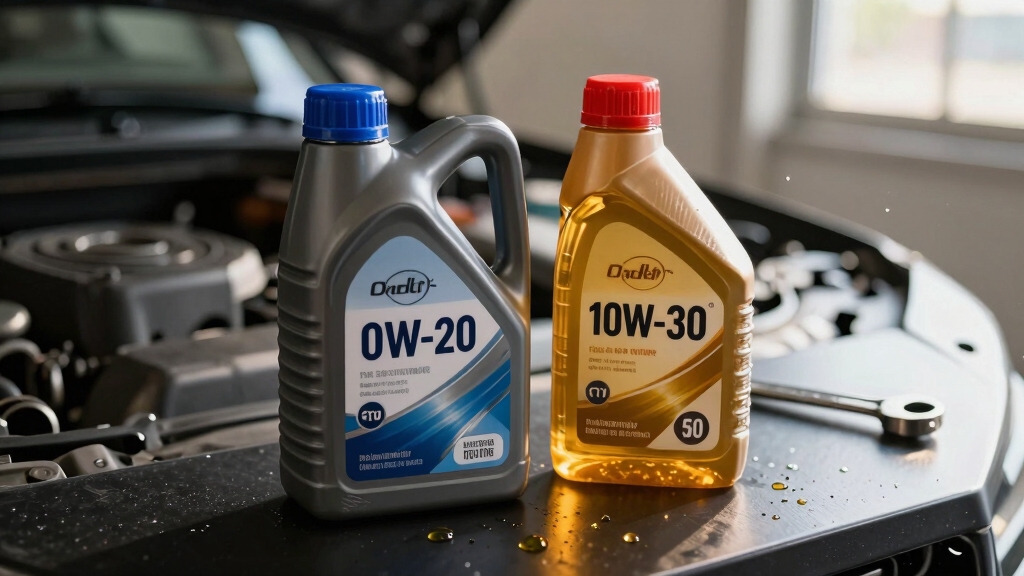
You should choose 0W-20 for modern engines needing quick cold starts and better fuel efficiency. It flows faster at low temperatures and reduces friction.
Opt for 10W-30 if you have an older engine or face high heat. Its thicker film offers superior wear protection and stability under stress.
Your climate, engine design, and operating conditions matter most. Understanding these factors will help you optimize performance and engine longevity overall.

0W-20 Vs 10W-30: Key Differences at a Glance
| Comparison Factor | 0W-20 | 10W-30 | Better Choice For |
|---|---|---|---|
| Cold-start flow | Flows faster in freezing temperatures | Circulates more slowly during cold starts | 0W-20 for cold climates |
| Operating-temperature thickness | Maintains a thinner oil film | Provides a thicker lubricating film | 10W-30 under greater heat |
| Fuel efficiency | Reduces internal friction and pumping resistance | May create slightly more engine resistance | 0W-20 for efficiency |
| Engine compatibility | Commonly suited to modern, tightly engineered engines | Often suited to older engines with wider clearances | Depends on engine design |
| High-heat protection | Suitable when specified, but thinner under extreme heat | Offers stronger film stability under heat | 10W-30 for demanding heat |
| Cold-weather protection | Reaches engine components more quickly after startup | Can become noticeably thicker in low temperatures | 0W-20 for winter conditions |
| Heavy-load driving | Designed mainly for engines requiring low-viscosity oil | Provides additional cushioning during sustained stress | 10W-30, when approved |
| Primary advantage | Quick lubrication and reduced friction | Stronger hot-temperature protection | Based on driving conditions |
| Main consideration | May be too thin for engines not designed for it | May be too thick for some modern engines | Follow the vehicle manual |
When deciding between 0W-20 and 10W-30 motor oils, consider your engine’s design, operating environment, and performance needs.
Choose between 0W-20 and 10W-30 oil by evaluating your engine design, environment, and performance goals.
If your engine has tight tolerances and benefits from reduced friction, 0W-20’s lower viscosity enhances fuel efficiency and rapid cold-temperature flow. This ensures quicker lubrication on startup.
Conversely, if you drive an older engine with worn components or operate in high-temperature conditions, 10W-30’s thicker film strength provides superior protection against wear. It also maintains stability under thermal stress.
Your climate plays a critical role: 0W-20 suits colder environments for faster oil movement. Meanwhile, 10W-30 excels in warmer climates by preserving viscosity and engine cushioning.
Ultimately, select the oil grade aligned with your engine’s mechanical requirements and local temperature profiles to optimize performance and longevity.
Be cautious when deviating from manufacturer recommendations, as using the wrong viscosity long-term can affect engine warranty and durability.
Although oil ratings might seem complex, understanding what the numbers and letters in 0W-20 and 10W-30 represent is essential for selecting the right lubricant for your engine.
The first number, followed by “W,” indicates the oil’s viscosity at cold temperatures, affecting flow during startup. The second number denotes viscosity at 100°C, critical for protection under operating heat.
| Rating Part | Meaning |
|---|---|
| First Number + W | Cold temperature viscosity |
| Second Number | High-temperature viscosity |
| Example: 0W-20 | Flows better when cold, thinner at high heat |
Grasping these ratings lets you match oil viscosity to your engine’s demands and operating environment precisely. Choosing oil with the proper cold viscosity rating is particularly important for ensuring cold start protection and reducing engine wear in low temperatures.
Understanding oil ratings sets the foundation for evaluating how 0W-20 and 10W-30 perform in cold weather.
The “0W” rating means 0W-20 flows more quickly at freezing temperatures than 10W-30 with its “10W” rating.
This faster flow enables 0W-20 to reach critical engine components sooner during cold starts, reducing wear.
In contrast, 10W-30 thickens markedly when cold, slowing oil circulation and potentially increasing engine strain at startup.
The lower cold rating of 0W-20 guarantees it remains thin enough for immediate lubrication even when the engine is immobile.
When you prioritize cold-weather performance, 0W-20’s superior low-temperature viscosity provides optimized protection and efficiency.
Meanwhile, 10W-30’s higher cold viscosity may delay critical oil delivery in freezing conditions.
Additionally, 0W-20’s faster oil circulation improves oil pressure and flow immediately after ignition, further reducing start-up wear in cold climates.
When you’re running your engine at high temperatures, the thickness of the oil really matters. It’s all about keeping a stable lubricating film between the engine parts. Take 10W-30 for example—it holds onto its viscosity pretty well at 100°C. That means it provides stronger film strength, which helps reduce metal-to-metal contact.
On the flip side, you have 0W-20. While it might be great in cooler temps, its thinner consistency can actually put your engine at risk during those extreme heat situations. So, if you’re pushing your engine hard, that thicker film from 10W-30 is definitely a better choice for protection. Oils like Valvoline Advanced Full Synthetic SAE 5W-30 demonstrate up to 2.5× better heat protection, highlighting the importance of viscosity in high-temperature durability.
Maintaining adequate oil thickness at high temperatures is essential for protecting your engine’s internal components from wear and damage.
When operating at 100°C, 10W-30 retains a higher viscosity than 0W-20, ensuring a thicker lubricating film between moving parts. This increased thickness reduces metal-to-metal contact, minimizing friction and wear during demanding engine loads.
Conversely, 0W-20 thins more under heat, offering less robust separation, which can compromise protection in extreme conditions. By maintaining a stable oil film, 10W-30 better prevents component degradation and prolongs engine life, especially in older or heavily loaded engines.
You should consider this high-temperature viscosity difference carefully, as it directly influences your engine’s durability and performance under thermal stress. Oils like 10W-30 may require more frequent changes under severe heat due to oil breakdown risk.
Because engine components operate under intense heat and pressure, film stability plays a critical role in preventing metal-to-metal contact.
When you choose 10W-30, its higher high-temperature viscosity forms a thicker, more resilient lubricating film. This maintains separation between moving parts even under demanding thermal conditions.
This enhanced film stability reduces friction and wear more effectively than 0W-20, which thins considerably at elevated temperatures.
While 0W-20 offers quicker flow at startup, its thinner film at operating temperature can compromise protection during prolonged high-heat operation.
Consequently, if your engine endures sustained heat and load, 10W-30’s superior film strength delivers robust lubrication. This minimizes the risk of component damage.
Selecting oil with optimal film stability based on operating conditions safeguards consistent engine performance and longevity.
Additionally, synthetic oils are recommended for maintaining film stability due to their superior thermal stability and oxidation resistance under extreme conditions.
The thicker lubricating film provided by 10W-30 at high temperatures directly enhances engine component protection by reducing metal-to-metal contact under stress.
Because 10W-30 maintains a higher viscosity at 100°C, it forms a more stable oil film that cushions moving parts.
This minimizes wear during demanding operations.
In contrast, 0W-20 thins substantially under heat, offering less robust separation between components.
This can increase friction and accelerate wear in extreme conditions.
If you operate your engine in high-heat environments or drive an older vehicle with larger internal clearances, 10W-30’s enhanced film strength improves longevity by maintaining ideal oil thickness.
However, for modern engines designed with tighter tolerances, 0W-20’s thinner high-temperature viscosity balances protection with efficiency.
It may sacrifice some wear resistance under severe thermal loads.
Using synthetic oils with high-temperature stability can further enhance protection by maintaining oil film integrity under extreme conditions.
How do you determine the best engine oil for your local climate and season?
Focus on temperature ranges: cold climates demand oils with lower cold viscosity ratings like 0W-20, which flow faster at freezing temperatures.
Warm climates require oils with higher hot viscosity ratings such as 10W-30, providing better film stability under heat.
Seasonal changes also impact your choice; switching oils can optimize engine protection and efficiency.
Using oils that fully meet or exceed industry standards ensures your engine receives optimal protection regardless of climate.
| Climate | Recommended Oil | Key Benefit |
|---|---|---|
| Cold Winter | 0W-20 | Rapid cold start flow |
| Mild Spring | 0W-20 | Balanced protection |
| Hot Summer | 10W-30 | Enhanced high-temp film strength |
| Warm Autumn | 10W-30 | Maintains viscosity in heat |
Select oil matching your average seasonal temperatures for peak engine performance.
When it comes to choosing the right oil for your engine, matching it to your engine’s age and design is super important for peak performance. For instance, modern engines are engineered with tight tolerances, which means they really need thinner oil—like 0W-20. This helps reduce friction and boosts efficiency.
On the flip side, if you’ve got an older vehicle, thicker oil, such as 10W-30, is often a better choice. It provides that extra protection for worn components, helping to keep everything running smoothly.
And hey, don’t forget! Always check your manufacturer’s specifications. Following those guidelines ensures compatibility and helps maintain your engine’s integrity over time. It’s all about keeping your ride in top shape!
Additionally, using full synthetic oils designed for your engine can extend oil change intervals up to 10,000 miles, offering both longevity and protection.
When selecting oil for modern engines, understanding the interplay between engine design and oil viscosity becomes critical.
Modern engines feature tighter tolerances requiring thinner oils like 0W-20 to ensure rapid lubrication and reduced friction.
This viscosity grade promotes fuel efficiency by decreasing internal drag and enhancing cold-start flow, vital for peak performance.
The advanced materials and precision engineering in these engines demand oil that maintains stability at operating temperatures without excessive thickness.
Using 0W-20 synthetic oils aligns with manufacturer specifications, preserving component integrity and efficiency.
Conversely, thicker oils such as 10W-30, designed for older engines with larger clearances, may impair performance in modern designs due to increased resistance.
Hence, matching oil viscosity to engine technology ensures balanced protection, efficiency, and longevity in contemporary vehicles.
Additionally, selecting lubricants with appropriate temperature tolerance and chemical additives helps maintain optimal engine function under varying conditions.
Although modern engines benefit from thinner oils, older vehicles with worn components need thicker lubricants like 10W-30 to maintain effective protection.
As your engine ages, internal clearances widen due to wear, reducing the oil’s ability to maintain a stable lubricating film.
Using 10W-30 guarantees a higher viscosity at operating temperature, creating a robust oil film that cushions metal surfaces and prevents direct contact.
Thicker oil compensates for increased tolerances, reducing metal-to-metal wear and potential leaks from degraded seals.
Conversely, 0W-20’s lower viscosity may fail to provide adequate film strength in older engines, risking accelerated wear.
Consequently, selecting oil viscosity aligned with engine design and wear state is critical to preserving longevity and performance in aging vehicles.
Recognizing the specific oil requirements set by engine manufacturers guarantees you match lubricant properties to your vehicle’s design and operational demands.
Modern engines with tighter tolerances generally call for thinner oils like 0W-20, optimizing friction reduction and fuel efficiency.
Conversely, older engines with worn components benefit from thicker oils such as 10W-30, which provide enhanced cushioning and maintain oil film integrity over larger internal clearances.
Manufacturers specify oil grades based on engine design, thermal loads, and material compatibility, assuring peak film strength and flow characteristics.
Ignoring these specifications risks inadequate protection or reduced performance.
Typically, you’ll find that 0W-20 oil enhances fuel efficiency by reducing internal engine friction due to its lower viscosity. This thinner oil reduces resistance as the engine components move, enabling smoother operation and less energy consumption.
Conversely, 10W-30‘s higher viscosity increases drag, which can slightly lower fuel economy.
Consider these factors when comparing fuel efficiency:
Choosing 0W-20 generally yields better fuel economy, especially in modern engines designed for thinner oils.
When you prioritize engine wear protection, choosing the right oil viscosity becomes critical to maintaining longevity under varied operating conditions.
10W-30 offers superior wear protection at high temperatures by maintaining a thicker film between metal components, reducing friction and wear.
In contrast, 0W-20, while adequate for modern engines, may lack sufficient protective film under severe heat, potentially compromising engine life.
| Oil Grade | Wear Protection Characteristics |
|---|---|
| 0W-20 | Thinner film, suitable for modern engines |
| 10W-30 | Thicker film, better high-temp protection |
| 10W-40 | Up to 75% better wear protection in tests |
Selecting oil viscosities aligned with engine design and operating temperature guarantees peak wear resistance and prolongs engine service life.
Mixing 0W-20 and 10W-30 oils won’t immediately harm your engine, but it dilutes the protective properties of each.
You’ll lose ideal viscosity benefits, potentially reducing cold flow or high-temperature protection.
Over time, inconsistent oil thickness can increase engine wear and reduce efficiency.
It’s best to stick with a single, manufacturer-recommended grade to guarantee consistent lubrication, thermal stability, and overall engine longevity.
Avoid mixing for peak performance and protection.
Imagine your engine as a finely tuned orchestra; each note needs perfect timing.
You should change 0W-20 oil every 7,500 to 10,000 miles, as its thinner consistency can break down quicker under heat.
For 10W-30, switch it roughly every 5,000 to 7,500 miles, since its thicker nature can trap contaminants longer.
Always follow your manufacturer’s guidelines and consider driving conditions to optimize engine performance and longevity.
Yes, you’ll find environmental benefits using 0W-20 oil. It reduces internal engine friction due to its lower viscosity, which improves fuel efficiency and lowers CO2 emissions.
You’ll also emit fewer pollutants since your engine runs cooler and cleaner. However, these benefits depend on your engine’s design and operating conditions.
Always follow manufacturer recommendations to maximize environmental advantages without compromising engine protection.
Think of oil brands like smartphone manufacturers. Both offer similar specs but vary in quality and reliability.
Yes, oil brand impacts 0W-20 and 10W-30 performance through additive packages and base stock quality.
Premium brands use advanced additives improving wear protection, oxidation resistance, and thermal stability.
Choosing a reputable brand guarantees consistent viscosity retention and engine protection. Lesser brands might degrade faster, reducing oil effectiveness and risking engine wear over time.
You can technically swap synthetic and conventional oils between these grades, but you should proceed cautiously.
Each oil type has distinct additive packages and viscosity profiles tailored for specific engine needs.
Mixing or switching without considering manufacturer recommendations may reduce protection or efficiency.
Always check your vehicle’s manual and make certain the oil meets required specifications.
Using synthetic oils generally enhances performance, but abrupt swaps can affect engine wear and fuel economy if not managed properly.
When choosing between 0W-20 and 10W-30, remember that 0W-20 can improve fuel efficiency by up to 2-3% due to its lower viscosity.
This advantage is vital if you drive mainly in colder climates or want to maximize mileage.
However, 10W-30 offers better protection under high temperatures and heavier loads.
Ultimately, selecting the right oil depends on your engine’s design, age, and typical operating conditions to balance efficiency and wear protection effectively.
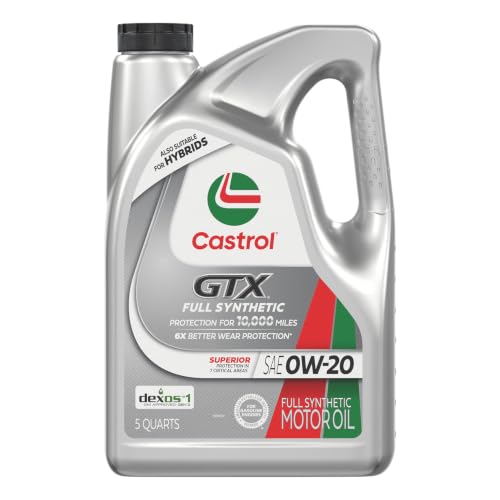
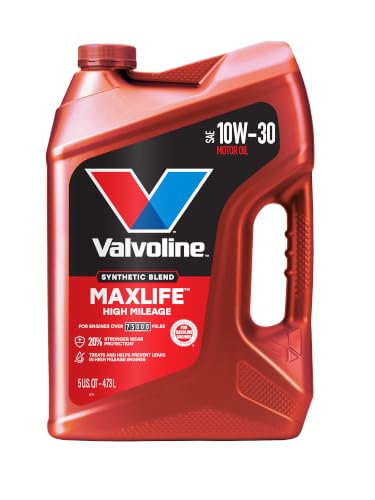
Last update on 2026-10-16 / Affiliate links / Images from Amazon Product Advertising API