Physical Address
304 North Cardinal St.
Dorchester Center, MA 02124
Physical Address
304 North Cardinal St.
Dorchester Center, MA 02124

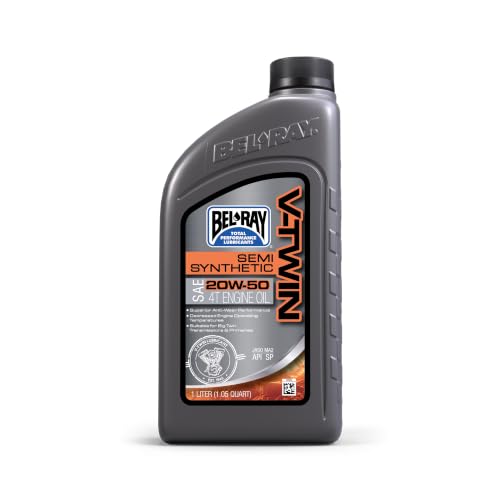
When choosing between semi synthetic and fully synthetic engine oil, know that semi synthetic blends mineral and synthetic oils. This offers moderate protection and cost savings, suitable for typical driving.
Fully synthetic oils provide superior wear resistance, thermal stability, and cold-start performance. They extend oil change intervals and protect high-stress engines.
They resist breakdown better under extreme temperatures. Your choice should consider engine demands and driving conditions.
Exploring these distinctions will help you select the best oil for your vehicle’s needs.

| Comparison Factors | Semi-Synthetic Engine Oil | Fully Synthetic Engine Oil |
|---|---|---|
| Base Oil Composition | Blend of mineral and synthetic base oils | Uses synthetic base oils |
| Synthetic Content | Varies by formulation | Synthetic base oil formulation |
| Wear Protection | Suitable protection when specifications are met | Potential for enhanced protection under demanding conditions |
| Thermal Stability | Moderate to good, depending on formulation | Generally stronger resistance to high-temperature degradation |
| Cold-Start Performance | Improved over many conventional oils | Often better low-temperature flow characteristics |
| Oxidation Resistance | Depends on base oils and additives | Typically greater oxidation stability |
| Viscosity Stability | Adequate for approved operating conditions | Often improved stability across temperature changes |
| Engine Cleanliness | Detergent and dispersant additives help control deposits | May provide improved deposit control in demanding conditions |
| Oil Change Intervals | Follow vehicle manufacturer’s service schedule | Follow approved service schedule; longer intervals only when specified |
| High-Temperature Operation | Suitable when meeting engine requirements | Often advantageous in high-temperature applications |
| Cold-Weather Driving | Suitable with the correct viscosity grade | May offer improved low-temperature performance |
| Engine Compatibility | Depends on viscosity and required approvals | Depends on viscosity and required approvals |
| Turbocharged Engines | Suitable only when meeting turbo-engine specifications | Commonly specified for demanding turbocharged applications |
| Additive Technology | Additive package depends on product specification | Additive package depends on product specification |
| Fuel Efficiency | Depends on viscosity and tested oil performance | May improve efficiency in certain applications |
| Everyday Driving | Practical for compatible vehicles and routine use | Suitable for routine and demanding use when specified |
| Overall Recommendation | Choose when it meets manufacturer requirements | Choose when specified or when suitable enhanced performance is needed |

Understanding semi-synthetic engine oil starts with recognizing it as a blend of mineral oil and synthetic oil components.
Semi-synthetic engine oil blends mineral oil with synthetic components for balanced performance and cost.
You should know that no universal standard defines the minimum synthetic content in semi-synthetic oils. Some sources note formulations may include at least 10% synthetic base oil.
The key factor distinguishing semi-synthetic from fully synthetic or conventional oils is the type and proportion of base oil used.
Semi-synthetic combines the affordability and certain natural properties of mineral oil with some performance benefits of synthetic fluids.
When selecting or analyzing these oils, focus on the base oil composition rather than marketing terms.
This blend aims to offer an intermediate option, improving over mineral oils while not reaching the full chemical engineering sophistication of fully synthetic counterparts.
Semi-synthetic oils generally provide better engine protection under typical driving conditions compared to conventional oils, although they may not match the performance of fully synthetic oils in extreme environments, making them a practical choice for many drivers seeking balanced performance.
Fully synthetic oils provide superior wear resistance, oxidation stability, and engine cleanliness due to their 100% synthetic base oils.
Semi-synthetics offer moderate improvements over mineral oils but can’t match the advanced molecular uniformity and protective additives of full synthetics.
| Feature | Semi Synthetic Oil | Fully Synthetic Oil |
|---|---|---|
| Wear Protection | Moderate | High |
| Oxidation Stability | Moderate | Excellent |
| Engine Cleanliness | Improved over mineral oil | Superior |
| Cold Start Performance | Adequate | Excellent |
| Service Interval | Shorter | Longer |
Choosing fully synthetic oil means maximizing engine longevity and performance, especially in demanding conditions. Additionally, full synthetics enable extended oil change intervals which help reduce overall maintenance costs and engine wear.
Because engine oils must maintain consistent viscosity and resist breakdown under extreme conditions, temperature stability becomes a critical factor in evaluating their performance.
Fully synthetic oils excel here, offering superior thermal stability and viscosity retention across wider temperature ranges compared to semi-synthetic oils.
Their chemically engineered base stocks resist oxidation and acidification better, maintaining integrity under high heat and shear stress.
You’ll notice fully synthetic oils flow more effectively at low temperatures, reducing cold-start wear.
Conversely, semi-synthetic oils provide moderate temperature resilience but are more prone to viscosity degradation and chemical breakdown under sustained thermal stress.
When you prioritize engine longevity and consistent performance, fully synthetic oils deliver more reliable protection in both extreme cold and heat.
This ensures your engine operates efficiently without oil-related failures.
Additionally, many fully synthetic oils meet or exceed stringent industry standards that guarantee their performance and engine protection.
Although fully synthetic oils come with a higher upfront cost, their extended service life and superior performance often justify the investment for many drivers.
You’ll find fully synthetic oils offer longer oil-change intervals due to enhanced chemical stability and resistance to breakdown. This reduces maintenance frequency and long-term expenses.
In contrast, semi-synthetic oils provide a cost-effective alternative with improved protection over conventional oils but require more frequent changes.
When considering practical use, semi-synthetic oils suit moderate driving conditions and less demanding engines, while fully synthetic oils perform better under high stress, extreme temperatures, and modern engine requirements.
Ultimately, balancing cost against longevity and engine demands helps you choose the best oil, where fully synthetic products excel in durability and protection despite their premium price.
Additionally, the superior oxidation resistance of fully synthetic oils helps maintain performance and prevent sludge buildup during extended use.
Selecting the right engine oil hinges on understanding your vehicle’s specific requirements, including manufacturer specifications, driving conditions, and climate factors. You need to analyze these parameters to guarantee peak engine performance and longevity. Focus on the oil’s viscosity grade, synthetic content, and OEM approvals.
Consider these key points to guide your choice:
Verify manufacturer recommendations in the owner’s manual.
Assess your typical driving patterns and engine load.
Factor in climate extremes affecting oil viscosity and stability.
Compare semi-synthetic versus fully synthetic benefits for your engine type.
Prioritize oils with relevant certifications and compliance requirements.
Choosing oils certified to Dexos specifications ensures optimal protection, emissions control, and fuel economy tailored for GM engines.
You can mix semi-synthetic and fully synthetic oils in your engine, but it’s not ideal. Mixing can dilute the benefits of fully synthetic oil, reducing its superior thermal stability, wear protection, and longevity.
While compatibility generally isn’t an issue since both oils share synthetic components, consistent oil type guarantees peak performance and protection. For best results, stick to the manufacturer’s recommended oil type to maintain engine integrity and warranty compliance.
Like Newton’s laws governing motion, synthetic oil influences engine emissions with predictable precision.
You’ll find that synthetic oil reduces friction and wear, leading to more complete combustion and lower harmful emissions. Its superior thermal stability minimizes oil breakdown, cutting particulate matter and unburned hydrocarbons.
This means your engine runs cleaner, decreasing environmental pollutants and extending catalyst life. Ultimately, synthetic oil supports eco-friendlier performance through enhanced engine efficiency and reduced toxic output.
Yes, you can use synthetic oils in classic or vintage engines, but you need to be cautious.
Synthetic oils offer superior lubrication and thermal stability, which can benefit older engines, especially in extreme conditions.
However, some vintage engines have seals and materials that may degrade with synthetic formulations.
Always verify your engine’s specifications and consult manufacturer guidelines or specialists to guarantee compatibility and prevent potential leaks or damage.
You’ll find that fully synthetic oils contain advanced additive packages tailored for superior oxidation resistance, anti-wear agents, and detergents to maintain engine cleanliness under extreme conditions.
Semi-synthetic oils include similar additives but in lower concentrations or less optimized blends.
The key difference lies in the additive quality and synergy with the synthetic base, enhancing thermal stability, shear resistance, and deposit control more effectively in fully synthetic formulations.
You’ll notice synthetic oils reduce friction more effectively than conventional oils, which directly improves fuel economy. Their superior viscosity stability under varying temperatures guarantees the engine runs smoother, consuming less fuel.
Although semi-synthetic oils offer some benefits, full synthetics optimize fuel efficiency further by minimizing energy loss during engine operation. This means you’ll get better mileage and potentially lower emissions, especially in modern engines designed to capitalize on synthetic oil properties.
So, you want premium engine protection but also want to save a few bucks?
Semi-synthetic oils offer a middle ground—better than conventional but not quite the elite fully synthetic.
Ironically, the “fully synthetic” label might make you think it’s always the superior choice.
Yet your specific needs, driving habits, and budget often make semi-synthetic the smarter pick.
In the end, choosing the right oil isn’t about hype; it’s about precise performance and fit.
Last update on 2026-11-11 / Affiliate links / Images from Amazon Product Advertising API