Physical Address
304 North Cardinal St.
Dorchester Center, MA 02124
Physical Address
304 North Cardinal St.
Dorchester Center, MA 02124

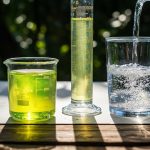
You can’t rely on yellow or orange coolant color alone to determine compatibility. Colors mainly indicate dyes, not chemistry.
Orange typically denotes OAT (Organic Acid Technology) with silicate-free formulas. Yellow usually signals HOAT (Hybrid OAT), which combines organic acids with inorganic inhibitors.
Mixing these without flushing risks corrosion, gelling, and reduced protection. Always verify OEM specs and product data to pick the right coolant for your vehicle’s system.
A deeper look reveals why chemistry outweighs color in coolant choice.


| Comparison Factors | Yellow Coolant | Orange Coolant |
|---|---|---|
| Coolant Color | Yellow or golden appearance | Orange appearance |
| Commonly Associated Technology | Often associated with HOAT formulations | Often associated with OAT formulations |
| Chemical Composition | May combine organic acids with inorganic corrosion inhibitors | May primarily use organic acid corrosion inhibitors |
| Corrosion Inhibitors | Hybrid inhibitor packages, depending on formulation | Organic acid-based inhibitors, depending on formulation |
| Silicate Content | May contain silicates or other inorganic inhibitors | Often silicate-free in traditional OAT formulations |
| Phosphate Content | Varies by coolant formulation | Varies by coolant formulation |
| Corrosion Protection | Designed to protect compatible cooling system metals | Designed to protect compatible cooling system metals |
| Engine Compatibility | Depends on vehicle-specific coolant specifications | Depends on vehicle-specific coolant specifications |
| Common Vehicle Associations | Selected Ford, Chrysler, and other vehicle applications | Selected GM and other vehicle applications |
| Cooling System Materials | Suitable for approved metal, hose, and seal combinations | Suitable for approved metal, hose, and seal combinations |
| Coolant Service Life | Depends on formulation and manufacturer schedule | Depends on formulation and manufacturer schedule |
| Mixing Compatibility | Must verify compatibility before mixing | Must verify compatibility before mixing |
| Potential Mixing Problems | Incompatible mixtures may compromise corrosion protection | Incompatible mixtures may compromise corrosion protection |
| System Flushing | May be required when changing incompatible coolant types | May be required when changing incompatible coolant types |
| Freeze Protection | Determined by glycol concentration and formulation | Determined by glycol concentration and formulation |
| Selection Method | Check vehicle specifications and coolant product data | Check vehicle specifications and coolant product data |
| Overall Recommendation | Use when the exact formulation meets your vehicle requirements | Use when the exact formulation meets your vehicle requirements |

The real difference between yellow and orange coolant lies primarily in their chemical formulations and intended vehicle applications rather than their color alone.
The key distinction between yellow and orange coolant is their chemical makeup and specific vehicle use, not just color.
Orange coolant typically corresponds to organic acid technology (OAT), commonly used in GM vehicles.
Yellow coolant, conversely, often represents a hybrid organic acid technology (HOAT) formula, favored by Ford, Chrysler, and some European automakers.
Color serves mainly as a dye for quick identification and doesn’t dictate performance or corrosion protection.
Relying solely on color without verifying the product data sheet or OEM specifications risks improper application.
Since manufacturers may use similar colors for different chemical bases, you must prioritize label information and compatibility over appearance when selecting coolant for your vehicle’s cooling system.
When it comes to orange coolants, they usually rely on pure Organic Acid Technology, or OAT for short. These coolants have silicate- and phosphate-free inhibitor packages, which is pretty neat!
On the other hand, yellow coolants often use something called Hybrid Organic Acid Technology, or HOAT. These blend organic acids with inorganic inhibitors like silicates. This combination helps provide better corrosion protection, which is always a plus.
So, understanding these chemical differences is really important. It can help you choose the right coolant that meets your vehicle’s specific corrosion control needs.
After all, you want to keep your engine running smoothly, right?
Peak’s formulations meet OEM standards such as MOPAR MS-90032 to ensure compatibility and protection.
Understanding Organic Acid Technology (OAT) discloses the core chemistry behind many yellow and orange coolants. OAT relies on organic acid corrosion inhibitors that form a protective film on metal surfaces, preventing oxidation and rust without relying on silicates or phosphates.
Orange coolants, especially in GM vehicles, typically use silicate- and phosphate-free OAT formulas. This promotes extended service life but requires strict adherence to compatibility.
Yellow coolants often incorporate hybrid organic acid technology (HOAT), blending organic acids with minimal inorganic inhibitors like silicates for quicker protection. This hybrid approach balances long-term corrosion resistance with immediate defense against electrochemical attack.
When selecting coolant, you must focus on the specific inhibitor chemistry rather than color alone. Dye doesn’t guarantee the presence or absence of organic acids or other key components critical to corrosion control and system longevity.
Mixing these incompatible formulations can cause sludge and gel formation, which severely impacts cooling system performance and engine protection.
Because coolant color doesn’t reliably indicate chemistry, you need to focus on the inhibitor packages that define yellow and orange coolants.
Orange coolants primarily use Organic Acid Technology (OAT) with organic acid corrosion inhibitors and are typically silicate- and phosphate-free.
Yellow coolants, often Hybrid Organic Acid Technology (HOAT), combine organic acids with low levels of inorganic inhibitors like silicates, offering accelerated corrosion protection.
Key differences include:
You must verify product chemistry via technical data sheets, not color, to ensure proper application and system longevity. Choosing coolants with appropriate corrosion inhibitors is essential to prevent pitting and galvanic damage in aluminum radiators.
You know, it’s a common misconception that you can just look at the color of coolant and know everything you need to about it. But here’s the thing: the color really only tells you about the dye used in the coolant, not its actual chemical formulation.
What really matters are the corrosion inhibitors and additives. Those are the things that determine whether the coolant is compatible and performs well. And guess what? There can be a big difference between yellow and orange coolants in that regard.
For proper maintenance, it’s crucial to consult vehicle manual to confirm the recommended coolant type and ratio to avoid issues like corrosion or clogging.
Although coolant color serves as a convenient visual identifier, it doesn’t reliably indicate the underlying chemical formulation or compatibility. You can’t assume that yellow or orange coolant shares the same corrosion inhibitors, additives, or OEM approvals just based on color.
Manufacturers often use dyes inconsistently, so relying solely on hue risks mixing incompatible chemistries. This may cause gelling or corrosion.
Consider these key points:
Always consult technical documentation rather than trusting color to ensure proper coolant selection and system protection. Using incorrect coolant can cause corrosion, scale buildup, and reduced cooling efficiency.
Understanding coolant chemistry is essential when selecting between yellow and orange coolants, as color alone doesn’t reveal the specific inhibitor packages or compatibility factors.
Orange coolants are typically OAT formulations, often silicate- and phosphate-free.
Yellow coolants usually represent HOAT blends combining organic acids with inorganic inhibitors.
These differences affect corrosion protection mechanisms and service life.
You can’t rely on color because manufacturers vary dye usage; some yellow coolants may even fluoresce green in operation.
Mixing coolants based on color risks chemical incompatibility, leading to gelling or diminished protection.
Always verify the OEM specification or approval code and consult product data sheets to confirm chemistry.
In practice, matching chemistry—not color—is critical to maintaining cooling system integrity and ensuring long-term performance.
For example, many top coolants for Duramax diesel engines emphasize extended life technology that depends on precise chemical formulations rather than color identification alone.
Because coolant color doesn’t reliably indicate its chemical formulation, identifying the correct type—yellow or orange—is crucial for maintaining your vehicle’s cooling system integrity.
For example, GM vehicles typically require orange OAT coolant like Dex-Cool. Ford and Chrysler often specify yellow or orange HOAT coolants. Using the wrong chemistry can degrade corrosion inhibitors and impair system performance.
To confirm compatibility and longevity, consider:
Proper additive formulations in coolants are essential to prevent corrosion and maintain engine performance over time.
Following these steps preserves your cooling system’s protection and service life.
When you mix yellow and orange coolant without confirming compatibility, you risk compromising the cooling system’s corrosion protection and overall performance. These coolants differ chemically. Yellow often being HOAT with inorganic inhibitors, while orange typically is OAT without silicates or phosphates.
Mixing can cause gelling, reduced inhibitor effectiveness, or deposits that impair heat transfer.
| Factor | Yellow Coolant (HOAT) | Orange Coolant (OAT) |
|---|---|---|
| Chemistry | Organic + inorganic inhibitors | Organic inhibitors only |
| Corrosion Protection | Fast-acting + long-life | Long-life, slower action |
| Compatibility Risk | Moderate if mixed incorrectly | High if mixed without approval |
Only mix when OEM specs explicitly allow it to avoid damage. Always ensure fluid compatibility and adhere to OEM standards to maintain optimal system performance.
Switching between different coolant chemistries requires flushing your cooling system to guarantee chemical incompatibilities and contamination are prevented. Residual coolant left in the system can react with the new formula, causing gelling, corrosion, or reduced inhibitor performance.
To maintain peak cooling and corrosion protection, always flush before changing coolant types, especially between OAT and HOAT formulas.
Here’s when and why you should flush:
A thorough flush safeguards your cooling system’s longevity and performance. Additionally, switching coolants without flushing can lead to corrosion and cavitation issues, especially in heavy-duty engines like the 6.7 Powerstroke.
To accurately select the right coolant, you need to prioritize OEM specifications and labels over coolant color alone.
Coolant dyes—yellow or orange—don’t reliably indicate chemistry or compatibility. Instead, focus on the OEM approval codes, such as Ford’s WSS-M97B44-D for orange OAT or WSS-M97B57-A2 for yellow HOAT coolants.
These specifications define corrosion inhibitor types and service intervals critical for your vehicle’s cooling system. Always verify the product data sheet to confirm chemistry matches your vehicle requirements.
Avoid assuming color equivalence; mixing incompatible chemistries can cause system damage. When replacing or topping off coolant, consult your owner’s manual or radiator cap label to identify the exact approved coolant standard.
This analytical approach guarantees long-term protection and peak performance. Using organic acid technology coolants is beneficial for preventing corrosion and extending cooling system life.
Prioritize verifying your vehicle’s OEM coolant specification before purchasing yellow or orange coolant.
Color alone doesn’t guarantee chemical compatibility. Relying solely on color risks mixing incompatible chemistries, which can cause gelling or corrosion.
Always consult your owner’s manual or radiator label for the exact coolant standard.
When buying yellow or orange coolant, follow these steps:
Maintaining your cooling system requires regular inspection and adherence to recommended service intervals to guarantee long-life protection.
Monitor coolant levels and condition, ensuring the fluid matches your vehicle’s specified chemistry, whether yellow HOAT or orange OAT.
Avoid mixing incompatible coolants to prevent gelling or corrosion.
Follow OEM guidelines for service intervals, typically around five years or 50,000 miles, but verify based on your vehicle’s specifications.
Inspect hoses, radiator caps, and thermostat functions to ensure peak flow and pressure.
When replacing or topping off coolant, always match the exact OEM-approved formula rather than relying on color alone.
If unsure about previous coolant type, perform a complete system flush before refilling to maintain inhibitor effectiveness and prevent chemical interaction that could degrade system performance.
Coolant color itself doesn’t affect engine temperature regulation because color is just a dye for identification.
What matters is the coolant’s chemistry and inhibitor package, which determine heat transfer efficiency and corrosion protection.
If you use the correct coolant type matching your vehicle’s specifications, your engine will regulate temperature properly.
Mixing incompatible coolants, regardless of color, can cause issues like gelling that impair cooling performance and risk overheating.
Disposing of coolant improperly is like playing with fire; you risk serious environmental damage.
Both yellow and orange coolants contain toxic additives and heavy metals that can contaminate soil and water.
You must never pour them down drains or onto the ground.
Instead, collect used coolant in sealed containers and take it to a certified recycling center or hazardous waste facility.
Proper disposal prevents pollution and protects ecosystems from harmful chemicals.
Additives in coolant directly affect rubber hoses and seals by influencing their flexibility and durability.
Corrosion inhibitors and pH stabilizers prevent acid buildup that can degrade rubber compounds. However, incompatible additives may cause swelling, hardening, or cracking of seals.
You must make certain the coolant’s chemical formulation matches your vehicle’s specifications to maintain seal integrity and avoid leaks.
Always avoid mixing incompatible coolants to protect rubber components effectively.
Think of coolant color as a painted surface slowly weathering under sun and rain. Yes, it can fade over time and with heat exposure.
The dyes used in coolant are sensitive to prolonged high temperatures and chemical breakdown, causing their brightness to diminish.
However, this fading doesn’t necessarily indicate reduced performance. You should rely on chemical testing and OEM specs rather than color alone to assess coolant health and effectiveness accurately.
You’ll find no inherent freezing point difference between yellow and orange coolants just based on color.
Freezing point depends on the coolant’s base formula and glycol concentration, not its dye.
Both colors can use ethylene or propylene glycol with varying freeze protection levels.
To know the exact freezing point, check the product specs or manufacturer data.
Color alone doesn’t determine cold-weather performance or freeze resistance.
So, you thought all coolant was just colorful water? Think again. Yellow and orange coolants aren’t fashion statements; they’re complex chemical cocktails designed for specific engines.
Mixing them without a flush? That’s like throwing a wild party for corrosion and sludge. Trust OEM specs, not the rainbow on the label.
Get your coolant game right or prepare for costly engine drama because your car’s cooling system deserves precision, not guesswork or a paint palette.
Last update on 2026-11-10 / Affiliate links / Images from Amazon Product Advertising API