Physical Address
304 North Cardinal St.
Dorchester Center, MA 02124
Physical Address
304 North Cardinal St.
Dorchester Center, MA 02124

Your brakes feel mushy after a few hard stops. The pedal sinks further each time you press it. Heat and moisture quietly ruin your ’66 Corvette’s brake fluid.
Prestone AS401 DOT 3 excels at resisting vapor lock under heat. Motul RBF 600 DOT 4 offers superior thermal stability for intense braking conditions.
Castrol SRF focuses on eliminating brake fade, giving extra performance in tough situations.
| Image | Name | Editor's Rating | Price |
|---|---|---|---|
|
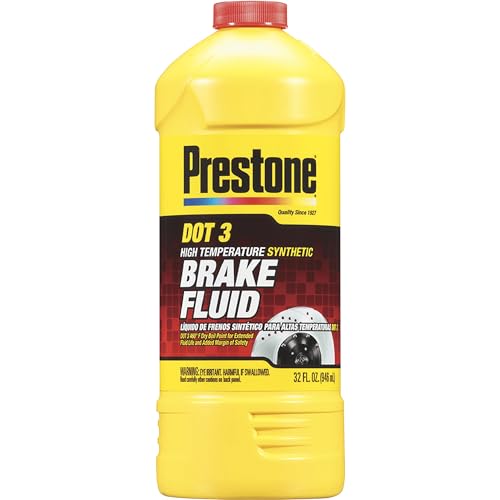
Prestone AS401 DOT 3 Synthetic Brake Fluid - 32 oz. | Brake ...
|
|
|
|
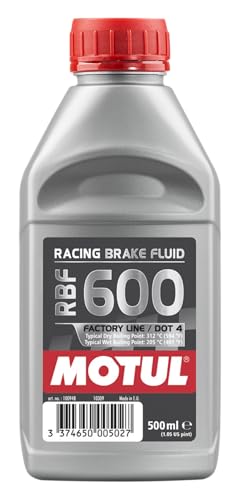
Motul RBF 600 Brake Fluid DOT 4 – Racing & High Performance ...
|
|
|
|
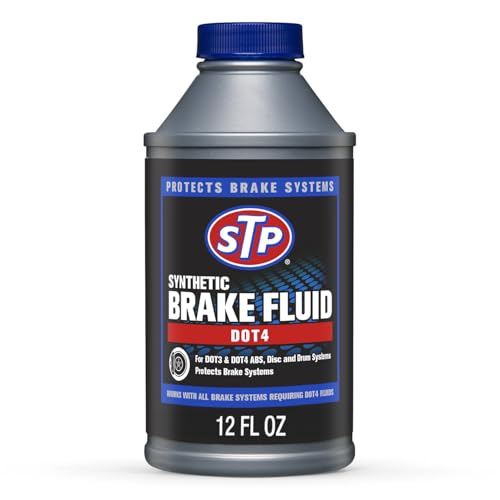
STP Synthetic DOT 4 Brake Fluid, 12 oz, For ABS Disc Drum Sy...
|
|
|

|
LIQUI MOLY DOT 4 Brake Fluid, 1 Liter (Pack of 1)
|
|
|
|
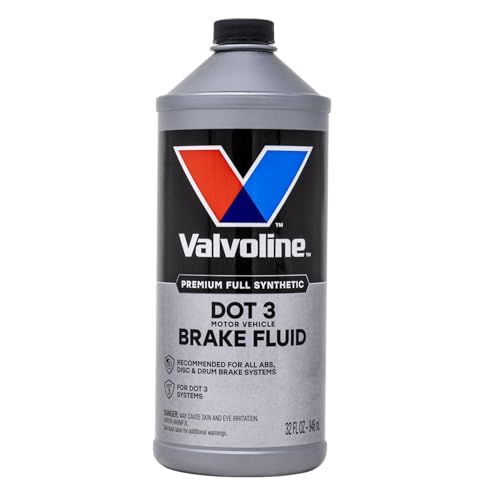
Valvoline DOT 3 Synthetic Brake Fluid, 32 oz | High-boiling ...
|
|
Optimizing brake fluid selection is crucial for maintaining the vintage 1966 Corvette’s stopping power and safety under demanding conditions. Explore premium synthetic options tailored for classic muscle car performance.
The braking system of a vintage muscle car like the 1966 Corvette faces unique challenges that modern fluids aren’t always prepared to handle. Surprisingly, not every synthetic brake fluid can maintain its integrity under extended high-heat conditions without compromising safety.
Prestone AS401 DOT 3 Synthetic Brake Fluid offers a reliable solution by significantly reducing the risk of vapor lock, a problem that can cause a spongy pedal feel during intense braking. It is specially formulated to manage extreme temperature fluctuations, ensuring your Corvette’s braking system remains responsive and consistent.
Built with a mix of polyglycol ethers, this brake fluid supports both disc and drum brakes, and it meets rigorous wet and dry boiling point standards, surpassing many government requirements. This balance of performance and durability makes it a practical choice for maintaining the original braking feel without risking system damage.
Maintenance becomes easier as this fluid protects vital brake system metals from corrosion and damage, extending the service life of your brake components. Its compatibility with classic brake systems means fewer worries about material degradation, keeping your 1966 Corvette’s stopping power sharp and ready.
Best for: Owners of vintage Corvettes and classic cars seeking a synthetic brake fluid that withstands high heat and supports authentic braking performance.
What We Like:
Specification:
| Specification | User Benefit |
|---|---|
| Upper Temperature Rating: 238 °C | Allows fluid to function safely during intense braking heat without boiling. |
| Flash Point: 93 °C | Ensures safer handling and reduces fire hazards during maintenance. |
| Compatible Material: Brake System Components | Prevents degradation of seals and metals in classic brake systems. |
| Liquid Volume: 32 fluid ounces | Provides ample quantity for full brake system servicing in one bottle. |
| Item Weight: 2 pounds | Easy to handle and pour during brake maintenance tasks. |
| DOT Rating: DOT 3 | Meets relevant safety and performance standards for vintage brake systems. |
Braking reliability in a vintage 1966 Corvette is more than about pads and rotors; the brake fluid makes all the difference. Many assume any DOT 4 fluid suffices, but synthetic options like Motul RBF 600 reveal a more refined balance between heat resistance and system longevity.
This synthetic brake fluid excels at handling extreme temperatures without breaking down. It maintains impressive thermal stability, topping out with a wet boiling point of 3996F (2046C), reducing the risk of vapor lock that often leads to diminished braking power in spirited or repeated stops.
Designed for hydraulic actuated brake and clutch systems, it’s a non-silicone synthetic fluid, which means it protects sensitive brake system materials from degradation. This fluid doesn’t just ensure consistent braking force but helps avoid fade even under high performance street or track-day conditions.
Easy maintenance is another benefit — this brake fluid is compatible with metal components, fitting right into the original hardware of a 1966 Corvette without worry. The 500 ml bottle size is practical for typical servicing needs without waste.
The careful formulation increases braking performance noticeably, refining control and feel whether cruising or pushing your classic Corvette hard.
Best for: Classic car owners and enthusiasts who demand consistent, fade-resistant braking performance for their 1966 Corvette under daily driving and performance conditions.
What We Like:
Specification:
| Specification | User Benefit |
|---|---|
| Wet Boiling Point: 399 6F (204 6C) | Maintains brake performance under extreme heat, preventing brake fade. |
| Non-Silicone Synthetic Fluid | Prevents damage to brake system seals and components in vintage vehicles. |
| Compatible Material: Metal | Ensures safe use with original metal brake parts in a 1966 Corvette. |
| Liquid Volume: 500 ml | Provides the right amount for routine brake fluid changes without waste. |
| Suitable for Hydraulic Clutch and Brake Systems | Works universally with brake and clutch hydraulic components on classic cars. |
| Flash Point: 327 6C | Offers safety in storage and handling by resisting ignition at high temperatures. |
Choosing the right brake fluid can make or break your classic car’s braking safety, especially for a 1966 Corvette where the original hydraulic system demands both precision and durability. It’s easy to assume all DOT 4 fluids are the same, but many overlook how synthetic formulations can handle heat and moisture better, preserving braking integrity under stress.
STP Synthetic DOT 4 Brake Fluid stands out by delivering consistent braking performance across ABS, disc, and drum brake systems. It’s engineered to withstand high temperatures up to 155 °C, reducing the risk of vapor lock—a lurking threat that can cause sudden brake failure—and ensuring reliable stops even during spirited drives or mountain descents.
This fluid doesn’t just focus on heat resistance. It also protects your brake system from corrosion and wear, which is vital for maintaining the longevity of the components in a vintage Corvette that doesn’t have the luxury of modern corrosion-resistant materials.
Maintenance becomes straightforward with this ready-to-use synthetic brake fluid. There’s no mixing or special handling required, making it practical for enthusiasts who want effective braking performance without fuss.
By choosing a synthetic formula tailored for performance and protection, you can maintain the vintage responsiveness of your 1966 Corvette’s brakes while mitigating the risks common with older brake systems.
Best for: Classic car owners seeking a dependable, high-temperature resistant brake fluid compatible with the 1966 Corvette’s ABS, disc, and drum brake systems.
What We Like:
Specification:
| Specification | User Benefit |
|---|---|
| Upper Temperature Rating (155 °C) | Handles extreme heat to help avoid brake fade under heavy use. |
| Viscosity Grade (0W SAE J300) | Maintains fluid flow for reliable braking across a range of temperatures. |
| Compatibility (DOT 3 and DOT 4 systems) | Works with multiple brake system standards for easier application. |
| Corrosion Protection | Prevents rust and wear on metal brake parts to preserve system integrity. |
| Container Volume (12 fluid ounces) | Provides sufficient quantity for typical brake fluid replacement or top-up. |
| Material (ABS Bottle) | Durable container protects fluid quality during storage and use. |
Older muscle cars like the 1966 Corvette can hide a surprising challenge in their brake systems: maintaining optimal performance under high heat and moisture conditions. Choosing the right brake fluid isn’t just about stopping power—it’s about preserving the system’s integrity over time.
LIQUI MOLY DOT 4 Brake Fluid offers a synthetic formula based on glycol ethers and alkyl polyglycols, designed to withstand the demanding conditions classic cars often encounter. It resists corrosion and oxidation even at elevated temperatures, so the fluid remains stable whether you’re hitting the highway or facing stop-and-go traffic.
Unique to this brake fluid are special scavengers that reduce steam formation when moisture content rises—a common problem in vintage braking systems prone to water absorption. This helps maintain consistent braking efficiency and prolongs the life of your hydraulic components.
Its high wet and dry boiling points ensure reliable braking performance in extreme conditions, a key factor for a car like the 1966 Corvette that can still roar with power. The universal fit and 1-liter size make maintenance straightforward, giving you a practical solution without overcomplicating care.
Best for: Enthusiasts and restorers looking for a reliable synthetic brake fluid that balances modern performance with the demands of a classic 1966 Corvette.
What We Like:
Specification:
| Specification | User Benefit |
|---|---|
| Synthetic Glycol Ether Formula | Ensures long-lasting fluid stability and performance |
| High Wet and Dry Boiling Points | Keeps braking effective under extreme temperature conditions |
| Corrosion and Oxidation Inhibitors | Protects internal brake parts from rust and damage |
| Moisture-Suppressing Scavengers | Reduces steam to avoid braking inconsistencies |
| Universal Car Compatibility | Simplifies use across various vehicle types including classic cars |
| 1 Liter Packaging | Offers enough fluid for a full system service without excess |
Choosing the right brake fluid for a classic like the 1966 Corvette isn’t just about meeting basic standards—it’s about maintaining peak performance and safety under pressure. Many owners assume traditional DOT 3 fluids are sufficient, but synthetic formulas offer distinct advantages that can extend the lifespan of vintage braking systems.
Valvoline DOT 3 Synthetic Brake Fluid exceeds stringent DOT 3 regulations, ensuring your Corvette’s braking response stays consistent when you need it most. Its high boiling point guards against the vapor lock often caused by heat buildup during spirited driving or heavy braking.
This full synthetic blend resists moisture absorption better than conventional options, protecting internal components from corrosion and wear over time. This resilience means fewer maintenance headaches and preserves the integrity of your original brake system parts.
Designed to perform reliably with ABS, disc, and drum brakes, this fluid fits the demanding environment of a vintage Corvette perfectly. Even with its synthetic edge, it remains compatible with classic brake materials, making it a smart choice for enthusiasts focused on both safety and authenticity.
Best for: Classic car enthusiasts seeking a dependable synthetic brake fluid that safeguards and enhances the braking system of a 1966 Corvette.
What We Like:
Specification:
| Specification | User Benefit |
|---|---|
| Boiling Point | Prevents overheating for consistent stopping power even under extreme conditions |
| Moisture Resistance | Reduces corrosion risks, protecting brake system longevity |
| DOT Rating | Ensures compatibility with DOT 3 system requirements for vintage vehicles |
| Viscosity (10W) | Offers reliable flow and pressure in various temperatures for smooth brake operation |
| Container Size (32 oz) | Provides sufficient volume for complete brake system maintenance |
| Material | Full synthetic ensures enhanced durability and performance |
| Compatible Brake Systems | Supports ABS, disc, and drum brakes common in classic cars |
Many classic car enthusiasts don’t realize how critical high-quality brake fluid is for maintaining the safety and performance of their vintage rides. For a 1966 Corvette, the brake system demands a fluid that not only withstands heat but also resists moisture intrusion over time.
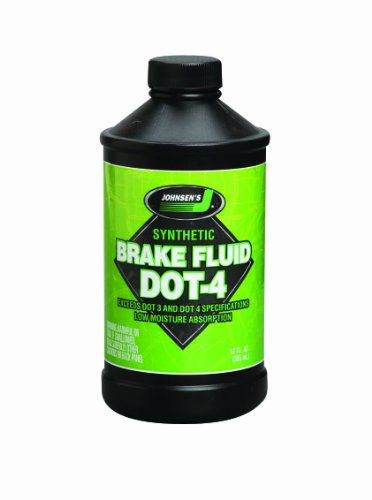
Johnsen’s 5012 Premium Synthetic DOT-4 Brake Fluid is engineered to meet these challenges head-on. It surpasses the usual DOT 3 and DOT 4 standards, ensuring your Corvette’s braking system stays responsive even under high temperatures.
This synthetic brake fluid features ingredients designed to prevent vapor lock and reduce moisture absorption, issues that can deteriorate braking performance and corrode components in older vehicles. Its moderate viscosity allows smooth flow through disc, drum, and ABS systems without compromising pressure or pedal feel.
In a classic car like the 1966 Corvette, where original parts and tolerances vary, using a fluid with reliable thermal stability and corrosion protection can significantly extend brake system longevity and enhance driving confidence.
Best for: Owners of vintage sports cars, especially 1966 Corvettes, seeking durable brake fluid formulated to withstand classic braking system demands.
What We Like:
Specification:
| Specification | User Benefit |
|---|---|
| Upper Temperature Rating: 446 °F | Withstands high heat to maintain reliable braking performance. |
| Viscosity: Moderate | Ensures smooth fluid flow for consistent pedal response. |
| Volume: 12 fluid ounces | Adequate quantity for brake fluid top-up or a complete system flush. |
| Material: Synthetic | Offers superior stability and resistance to moisture absorption. |
| DOT 4 Formulation | Delivers higher boiling points compared to DOT 3 options, improving safety. |

Not all brake fluids handle the heat and moisture challenges of a classic 1966 Corvette the same way. The Maxima Racing Oils DOT 5.1 Brake Fluid is engineered specifically to maintain brake responsiveness even under strenuous conditions that vintage cars can push to their limits.
This brake fluid fights the common problem of vapor lock with an anti-vapor lock formula, keeping your brakes quick to react when you need them most. It’s designed to resist water contamination, which can otherwise severely reduce braking performance in older hydraulic systems prone to moisture buildup.
Its advanced chemistry not only protects against corrosion and oxidation but is also safe with the SBR, EPDM, and natural rubber seals found in classic Corvette brake components. This ensures durability and longevity of your brake system, which is critical in maintaining safety over time.
With a high dry boiling point of 516°F and a wet boiling point of 369°F, this synthetic brake fluid stays reliable whether you’re cruising or pushing your Corvette hard on spirited drives. It meets or exceeds US FMVSS 116 DOT 5.1, as well as DOT 3 and DOT 4 standards, providing versatile compatibility with existing fluids if a top-up is needed.
Being available in a 4-pack of 16 oz bottles means you can plan complete system flushes or multiple refills without worrying about running out during maintenance. This level of readiness is vital for keeping your classic Corvette’s brake system in optimal shape for years to come.
Best for: Classic car enthusiasts seeking a synthetic brake fluid that delivers durability and consistent high-temperature performance for their 1966 Corvette.
What We Like:
Specification:
| Specification | User Benefit |
|---|---|
| Dry Boiling Point: 5166F (2696C) | Reduces brake fade under heavy braking by withstanding high temperatures |
| Wet Boiling Point: 3696F (1876C) | Maintains performance despite moisture contamination common in older cars |
| Anti-Vapor Lock Formulation | Prevents brake fluid vaporization ensuring consistent pedal feel |
| Rubber Compatibility: SBR, EPDM, Natural Rubbers | Protects seals and hoses from deterioration and leaks in vintage brake systems |
| DOT 5.1, DOT 4 & DOT 3 Certified | Works safely with various brake fluid types, easing maintenance and top-ups |
| Package: 4 x 16 oz Bottles | Provides ample fluid for full system flushes or future maintenance needs |
Brake fluids often go unnoticed until they’re pushed to extremes. Yet, in vintage cars like the 1966 Corvette, the right brake fluid can mean the difference between a confident stop and a fade when you need it most.
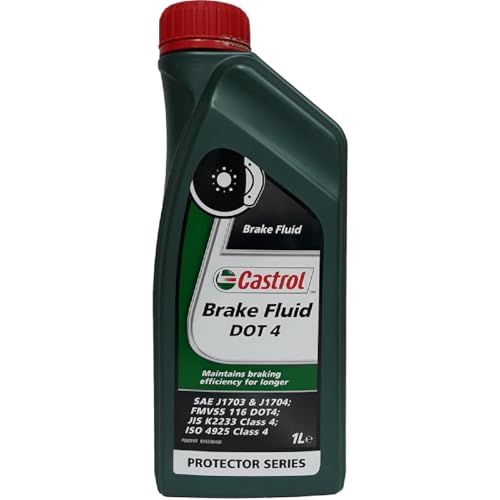
Many assume that any standard brake fluid will do, but older braking systems demand fluid that resists vapor lock and protects delicate components without jeopardizing performance. Castrol Brake Fluid DOT 4 Synthetic steps beyond basic formulations.
This fluid’s high boiling point formulation tackles heat buildup head-on, ideal for the spirited drives and occasional towing that automotive enthusiasts often put their Corvettes through. It maintains consistent pedal feel even under elevated temperatures, reducing the risk of vapor lock that can plague vintage brakes.
Designed to shield brake system parts from corrosion, this brake fluid extends the life of hydraulic components while being fully compatible with disc, drum, and ABS systems. It’s even safely mixable with DOT 3 fluids, offering flexibility for maintenance routines.
Easy to maintain and reliable under stress, Castrol’s synthetic formula is a practical upgrade that respects the 1966 Corvette’s heritage without compromising stopping power.
Best for: Classic car owners seeking a durable and heat-resistant brake fluid tailored for vintage Corvette braking systems.
What We Like:
Specification:
| Specification | User Benefit |
|---|---|
| High Boiling Point | Ensures reliable braking by preventing fluid vaporization under heat stress |
| Corrosion Protection Additives | Extends brake component lifespan by inhibiting rust and wear |
| DOT 4 Synthetic Formulation | Offers enhanced performance over traditional DOT 3 fluids in vintage systems |
| Compatibility | Works with disc, drum, ABS, and DOT 3 systems for versatile use |
| 1 Liter Bottle | Provides enough fluid for thorough brake system maintenance or top-up |
| Low Moisture Absorption | Helps maintain brake fluid integrity and consistent stopping power over time |

Many assume vintage vehicles demand only conventional brake fluids, but modern synthetic options like the Wilwood 290-6209 EXP 600 Plus challenge that notion. Designed for high-performance use, this silicone-based brake fluid offers heat resistance far beyond what typical glycol-based fluids can handle.
The temperature stability of this fluid keeps your 1966 Corvette’s brakes consistent and responsive, even under spirited driving or track conditions. Unlike many synthetic fluids that absorb moisture quickly, this formula resists moisture contamination better, minimizing corrosion risks in older brake systems.
Maintenance is straightforward with this fluid, and it holds its properties longer, reducing the frequency of fluid changes. Its design specifically supports vehicles where braking performance and system longevity are equally important—in other words, classic muscle cars pushed to their limits.
While the silicone base means some caution is needed if mixing with other brake fluids, the Wilwood EXP 600 Plus remains an excellent fit for enthusiasts seeking a balance of durability and safety. It’s a carefully engineered choice that respects the heritage of a 1966 Corvette while delivering the fluid dynamics of modern braking technology.
Best for: Classic car owners and racers seeking a synthetic brake fluid that withstands high temperatures and moisture while enhancing vintage brake system reliability.
What We Like:
Specification:
| Specification | User Benefit |
|---|---|
| Silicone material | Minimizes moisture absorption for enhanced brake system longevity |
| 500 ml liquid volume | Provides enough fluid for multiple refills and flushes |
| 75W-90 SAE J300 viscosity grade | Ensures fluid flows properly in a wide range of temperatures |
| Lightweight 1.3 pounds | Easy to handle and store without risk of spills |
| Designed for high-performance vehicles | Offers consistent braking response during aggressive driving |

Understanding brake fluid is more than picking a DOT rating. The 1966 Corvette’s classic design demands a brake fluid that delivers under pressure without degrading or causing damage to vintage components.
Red Line’s RL-600 synthetic brake fluid shifts the performance conversation. Unlike typical DOT 4 fluids, this formula holds viscosity and lubricity at fiery track temperatures and icy negatives, reducing the risk of brake fade and vapor lock during spirited drives or restorations.
Engineered to exceed DOT 4 standards, it’s more than just compliance. This fluid blends with other DOT 4 fluids but warns that doing so might sacrifice its ability to maintain braking efficiency in extreme conditions — a crucial factor for your vintage Corvette’s safety and responsiveness.
Durability meets versatility here. It’s formulated especially for ABS systems but works seamlessly on classic cars like the ’66 Corvette, ensuring consistent pedal feel and braking power, whether on city streets or weekend track sessions.
Choosing the right brake fluid means respecting your car’s heritage without compromising modern performance. Red Line RL-600 offers exactly that balance, helping extend the life of your braking system with less maintenance hassle.
Best for: Classic car enthusiasts and racers seeking a high-temperature resistant synthetic brake fluid tailored to the braking demands of a 1966 Corvette.
What We Like:
Specification:
| Specification | User Benefit |
|---|---|
| Viscosity at 100°C (2.7 cSt) | Ensures smooth brake fluid flow even in extreme heat for reliable braking response. |
| Viscosity at -40°C (1657 cSt) | Maintains fluid performance at very low temperatures to prevent system stiffness. |
| Upper Temperature Rating (604 °F) | Prevents brake fade during intense driving or track use. |
| Container Type: Bottle with Twist Cap | Offers easy, mess-free fluid replacement and storage. |
| Material: ABS Brake Fluid | Formulated to protect braking system components from corrosion and wear. |
| Volume: 473.18 ml (16 oz) | Provides adequate supply for multiple brake fluid flushes or top-offs. |
| Product Name | DOT Rating | Boiling Point (Upper) | Container Volume | Material Compatibility |
|---|---|---|---|---|
| Prestone DOT 3 Safety Fluid | DOT 3 | 238 °C | 32 fl oz | Brake System Components |
| Motul RBF 600 Racing Fluid | DOT 4 | 399 °F (204 °C) | 500 ml (16.9 fl oz) | Metal |
| STP Synthetic DOT 4 Fluid | DOT 4 | 155 °C | 12 fl oz | Brake System Components |
| Liqui Moly DOT 4 Fluid | DOT 4 | Not Specified | 1 L (33.8 fl oz) | Car (Universal Fit) |
| Valvoline DOT 3 Synthetic Fluid | DOT 3 | Not Specified | 32 fl oz | Brake System Components |
| Johnsen’s Premium DOT-4 Fluid | DOT 4 | 446 °F | 12 fl oz | Not Specified |
| Maxima DOT 5.1 High-Performance | DOT 5.1 | 516 °F (269 °C) | 64 fl oz (4 x 16 oz) | SBR, EPDM, Natural Rubbers |
| Castrol DOT 4 Synthetic Fluid | DOT 4 | Not Specified | 1 L | Brake Fluid Systems |

Picking the right synthetic brake fluid for a classic beast like the 1966 Corvette isn’t just about matching specs on paper. It’s about how that fluid performs under pressure, heat, and time, keeping your vintage muscle car’s braking sharp and safe. Some factors carry more weight than others because they directly impact your driving experience and the longevity of your brake system.
Boiling point refers to the temperature at which brake fluid vaporizes, a critical feature to avoid boil-induced brake fade. When brake fluid boils, vapor pockets form in the hydraulic lines, causing a spongy brake pedal and reduced stopping power—especially dangerous when you need immediate response. This is a make-or-break property for any brake fluid in a vintage car.
Brake fluids like the Maxima Racing Oils DOT 5.1 boast a dry boiling point around 516 °F (269 °C), far exceeding the heat generated during heavy braking. Synthetic fluids resist thermal breakdown by maintaining molecular stability even under prolonged heat exposure, thus avoiding vapor lock. The DOT rating classifies fluids by their boiling points, with DOT 5.1 and DOT 4 generally surpassing DOT 3 in this arena.
Ignoring boiling point specs can lead to brake fade on spirited drives or downhill runs in your 1966 Corvette. Lower boiling points invite vapor formation, making it feel like your brakes are “mushy” or unresponsive just when maximum stopping power is demanded. This directly compromises both safety and confidence behind the wheel.
Brake fluids are hygroscopic—they absorb moisture from the environment over time. This absorption lowers the fluid’s boiling point and promotes corrosion inside brake lines and components, a slow poison for older systems like the 1966 Corvette’s. Understanding a brake fluid’s moisture tolerance helps select a product that protects integrity between changes.
Higher-end synthetic DOT 4 and DOT 5.1 fluids often incorporate additives that reduce moisture uptake or minimize its harmful effects. For example, Johnsen’s Premium DOT-4 is engineered to resist moisture contamination, maintaining consistent thermal behavior. Materials like alkyl polyglycols found in synthetic blends function to limit oxidation and chemically stabilize the fluid despite moisture presence.
Failing to consider moisture absorption affects your brake system by accelerating component corrosion and necessitating frequent fluid swaps. For vintage braking systems with delicate seals and older metallurgy, degraded fluid can cause leaks or system failure, undermining your car’s reliability and safety.
Classic cars like the 1966 Corvette often employ rubber seals and components that can suffer damage from incompatible fluids. Compatibility ensures the brake fluid won’t degrade seals made of materials like SBR (styrene-butadiene rubber), EPDM (ethylene propylene diene monomer), or natural rubbers, which are common in vintage braking systems.
What makes synthetic brake fluids like Maxima DOT 5.1 stand out is their formulation to remain chemically stable without swelling or attacking these seal materials. Proper compatibility means formulations avoid additives or solvents that cause premature aging or shrinking of rubber parts, preserving the system’s airtight integrity crucial for hydraulic pressure.
If compatibility is ignored, seals might dry out, crack, or swell excessively, causing leaks or braking inefficiencies. Such failures can lead to fluid loss, spongy brakes, or total system failure—hazards vintage motorists cannot afford, especially with harder-to-source classic components.
The Department of Transportation (DOT) rating defines minimum performance thresholds, primarily boiling point specs and chemical composition standards. For a 1966 Corvette, choosing the right DOT rating balances between performance needs and system compatibility. DOT 3, DOT 4, and DOT 5.1 are common synthetic options, each suited for different brake system stress levels.
DOT 3 fluids like Prestone AS401 meet baseline heat resistance and are often compatible with older brake systems by being less aggressive chemically. DOT 4 and DOT 5.1 fluids, such as Motul RBF 600 or Maxima Racing Oils, push boiling points much higher, ideal if you demand aggressive performance or drive conditions that generate substantial heat. The higher DOT numbers also usually mean more aggressive additive packages for moisture resistance and chemical stability.
Mis-matching DOT ratings can damage parts or degrade braking responsiveness. For example, using a high-DOT brake fluid without confirming seal compatibility can cause system leaks. Conversely, a fluid rated too low may boil during spirited driving, undermining brake confidence.
Brake fluid must do more than transfer pressure—it also acts as a chemical shield for metal components like calipers, lines, and the master cylinder. Corrosion and oxidation slowly deteriorate these vital parts, turning smooth braking into a maintenance nightmare. Resistance to these processes extends system life considerably.
Glycol-ether based synthetic fluids, such as Liqui Moly DOT 4, usually include corrosion inhibitors and antioxidants formulated to protect iron, steel, and copper alloys found in brake systems. These additives create a protective layer that slows metal degradation by neutralizing acids and moisture’s corrosive effects.
Neglecting corrosion resistance leads to rust buildup inside brake lines, staining, and premature failure of hydraulic components. Eventually, this degradation can cause leaks, bleeding issues, or system lockup, all seriously undermining the performance of your treasured 1966 Corvette.
Brake fluid is a consumable that requires occasional replacement, especially in classic cars where moisture absorption is a constant threat. Container size and packaging matter because they influence the ease of handling and storage, as well as whether the fluid will stay uncontaminated until use.
Options range from larger 32-ounce bottles like the Valvoline DOT 3 Synthetic to smaller 12-ounce bottles such as STP Synthetic DOT 4, and even 4-packs with 16-ounce bottles like Maxima Racing Oils DOT 5.1. Synthetic fluids should be stored tightly sealed in air- and moisture-proof containers to maintain quality. Furthermore, pour spouts or drip caps minimize contamination and fluid waste.
Choosing inconvenient sizes can lead to wasted fluid or accidental contamination, both detriments to maintenance and brake system health. Using smaller bottles helps ensure fresh fluid replacement, while bulk options suit regular bleeding sessions during restoration or upgrades.
The 1966 Corvette’s braking system benefits most from DOT 4 synthetic brake fluids due to their higher boiling points and better moisture resistance. DOT 4 fluids like Motul RBF 600 or Johnsen’s Premium provide enhanced heat tolerance, crucial for classic cars that experience varying brake system stresses.
For example, Johnsen’s 5012 Premium Fluid offers a boiling point around 446 °F, exceeding typical DOT 3 standards and supporting consistent brake feel under heat.
Choose a fluid that matches or exceeds the system specifications to avoid premature brake fade or degradation.
DOT 3 fluids such as Prestone or Valvoline synthetic versions are often compatible and perform adequately under normal driving conditions for a 1966 Corvette. Still, their lower boiling points mean they’re more susceptible to vapor lock during heavy braking episodes.
The Prestone DOT 3 fluid has an upper boiling point near 238 °C, which may be borderline in sustained high-heat applications, but it’s a cost-effective option for everyday use.
Regular brake fluid changes are essential if using DOT 3 to mitigate moisture buildup and preserve braking efficiency.
The boiling point defines a brake fluid’s resistance to vaporizing under extreme heat, with higher boiling points reducing vapor lock risk. This directly impacts pedal feel and stopping reliability during spirited or heavy braking.
Maxima DOT 5.1’s upper boiling point of 516 °F (269 °C) illustrates the advantage synthetic fluids have in maintaining consistent braking without fading in demanding conditions.
Always verify the boiling point exceeds the original manufacturer recommendations to maintain safe braking performance.
Brake fluids absorb moisture over time, lowering boiling points and promoting corrosion within the brake system. Synthetic brake fluids with enhanced moisture resistance can preserve system integrity and braking reliability in the 1966 Corvette.
Motul RBF 600 synthetic fluid excels here because of its molecular structure that slows moisture absorption, keeping performance stable longer.
Flushing brake fluid every 1-2 years remains a necessary maintenance step regardless of fluid type.
DOT 5.1 synthetic fluids, including Maxima Racing Oils, offer superior heat tolerance and moisture resistance but require compatibility checks due to their chemical makeup. The 1966 Corvette’s system uses glycol-based fluids, so DOT 5.1 is suitable only if the system’s seals and rubber components are compatible.
Maxima DOT 5.1 fluid is designed to work with common brake line materials like SBR and EPDM rubber found in many vintage brake systems.
Consult your Corvette’s brake component specifications or a professional mechanic before switching to DOT 5.1 to avoid damage or leaks.
Selecting the ideal brake fluid for the 1966 Corvette fills a critical performance gap by delivering improved thermal stability and consistent brake feel. The right synthetic fluid not only upgrades safety but also extends the life of vintage braking components, ensuring your car performs reliably under varying conditions. Making an informed choice elevates your driving experience and preserves core system integrity.
For daily driving, DOT 3 fluids offer dependable performance with easy availability, while spirited drivers should opt for DOT 4’s enhanced boiling points to handle higher temperatures. If maximum heat resistance is essential, DOT 5.1 provides superior protection—but compatibility with original seals must be carefully checked to avoid issues.
Begin with a full fluid flush to remove contaminants and stick to a single brake fluid type to prevent chemical reactions. Careful filling to avoid fluid overheating or introduction of air is crucial. These practices help maintain brake consistency and safety in your cherished Corvette over time.
Last update on 2026-11-23 / Affiliate links / Images from Amazon Product Advertising API