Physical Address
304 North Cardinal St.
Dorchester Center, MA 02124
Physical Address
304 North Cardinal St.
Dorchester Center, MA 02124
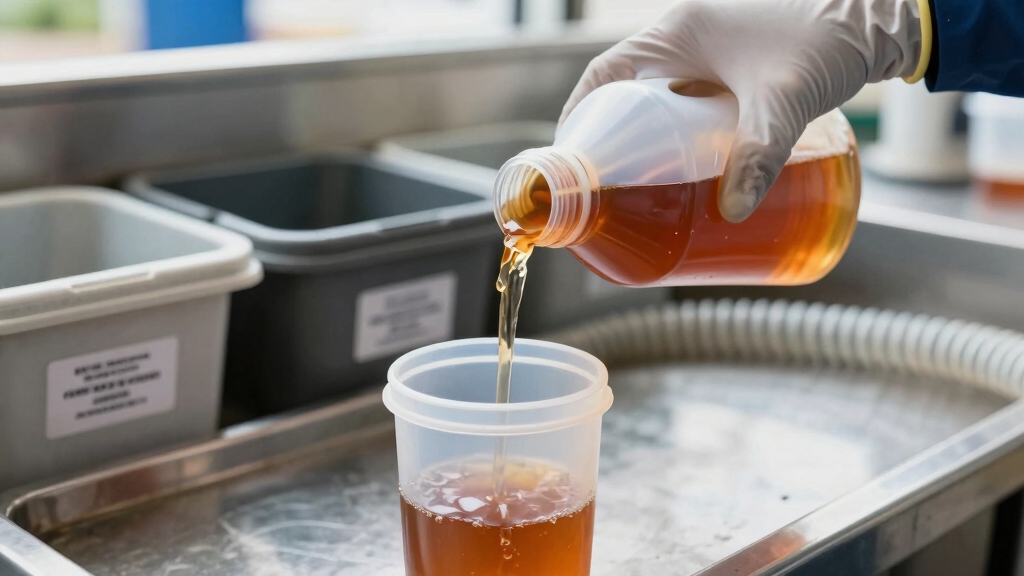
You should never pour brake fluid down drains or onto the ground because it’s toxic, flammable, and regulated as hazardous waste.
Instead, store it in a tightly sealed, clearly labeled container. Take it to a local household hazardous waste (HHW) facility, authorized recycling center, or some auto parts stores that accept used brake fluid.
Always confirm acceptance with the facility beforehand to ensure proper handling and environmental protection.
Explore the regulations and safety steps involved to manage brake fluid responsibly.

Because brake fluid is highly toxic and flammable, you should never pour it down sinks, storm drains, or toilets. Doing so risks contaminating water supplies and causing fires due to its ignitable nature under RCRA regulations.
Brake fluid contains chemicals harmful to the central nervous system, liver, kidneys, and heart. This poses significant environmental and health hazards when improperly disposed. Additionally, its flammability prohibits flushing or open discharge into any drainage or soil system.
You must avoid mixing brake fluid with other liquids before disposal, as this complicates treatment. Household trash disposal is prohibited for liquid brake fluid because it requires specialized handling.
Instead, you should transport brake fluid to authorized facilities or recycling centers designed to manage its hazardous properties safely and comply with all regulatory requirements. Proper disposal is critical to prevent corrosion and contamination issues associated with brake system components.
When you handle brake fluid, it’s vital to recognize its hazardous waste characteristics to guarantee proper disposal.
Properly handling brake fluid means understanding its hazardous nature for safe disposal.
Brake fluid is classified as hazardous waste primarily due to its ignitable nature under RCRA regulations. It poses significant risks to the central nervous system, liver, kidneys, and heart because of its toxic chemical composition.
You should never dispose of brake fluid by pouring it down drains, onto soil, or into waterways. Its flammability and toxicity can cause environmental harm and violate legal standards.
If brake fluid is recycled, it’s typically treated as used oil, exempt from some hazardous waste rules. However, mixing it with other fluids before disposal is prohibited.
Identifying these characteristics helps you comply with regulations and ensures safe, responsible disposal. Additionally, synthetic brake fluid is more biodegradable, resulting in a lower environmental impact compared to regular brake fluid.
Prior to disposal, you must store brake fluid in tightly sealed, leak-proof containers made of compatible materials such as high-density polyethylene or metal.
Avoid using containers that may degrade or react with the fluid, as brake fluid is chemically aggressive and flammable.
Always label the container clearly as “Used Brake Fluid” to prevent accidental misuse.
Store the container in a cool, dry, well-ventilated area away from direct sunlight, heat sources, and ignition points to minimize fire hazards.
Keep it out of reach of children and pets.
Make sure the storage location prevents container tipping or damage that could cause leaks.
Do not mix brake fluid with other automotive fluids or chemicals, as this complicates disposal and recycling processes.
Following these precautions guarantees regulatory compliance and environmental safety before transport to disposal facilities.
For cleaning brake components prior to disposal or maintenance, using a non-flammable brake cleaner helps reduce fire risks during handling.
First things first: grab a shallow tray or pan and spread out about a half-inch layer of kitty litter. This will help absorb the brake fluid effectively.
Now, take your unused brake fluid and pour it slowly over the litter. Make sure it makes full contact but be careful not to let it overflow.
Once you’ve done that, just leave the mixture out uncovered for about three to four days. This gives the fluid enough time to evaporate safely.
After that, you can dispose of the solidified material properly. Easy, right?
To prepare a kitty litter base for evaporating unused brake fluid, you’ll need a shallow tray or pan and enough absorbent kitty litter to form a half-inch layer.
Spread the kitty litter evenly across the tray to guarantee consistent absorption and evaporation. Use a clean, dry container to prevent contamination.
Avoid clumping by fluffing the litter before spreading. Make certain the tray is stable and placed on a non-flammable surface in a well-ventilated area, away from ignition sources.
The half-inch depth maximizes surface area for efficient fluid absorption while preventing pooling. This setup allows brake fluid to bind securely to the litter, reducing spill risk and facilitating safe evaporation.
Do not cover the tray, as air circulation is essential for proper fluid evaporation. Always handle brake fluid in a ventilated area to minimize exposure to harmful fumes and reduce fire hazards.
Ensuring proper ventilation plays a critical role in safely evaporating unused brake fluid using kitty litter.
Place the tray or pan with the half-inch layer of kitty litter in a well-ventilated, sheltered area away from open flames or ignition sources.
Pour the brake fluid evenly over the litter to maximize surface contact.
Leave the mixture uncovered for three to four days, allowing the volatile components to evaporate effectively.
Monitor the process to prevent spills or accidental exposure.
Once the brake fluid has fully evaporated, the solidified kitty litter absorbs any residue, enabling safe disposal as regular trash.
This method prevents environmental contamination and complies with hazardous waste regulations by avoiding prohibited disposal methods like pouring down drains or soil infiltration.
It is important to note that brake fluid often contains volatile organic compounds which require careful handling to minimize health and environmental risks.
When you’re transporting brake fluid, choosing the right container is crucial to prevent leaks, spills, and contamination. Use only original or specifically designed, leak-proof plastic containers with secure, tight-fitting lids, preferably HDPE or similar chemical-resistant materials.
Avoid glass or metal containers, as brake fluid may degrade certain metals. Glass can break easily. Clearly label the container as “Used Brake Fluid” to guarantee proper handling.
Make sure the container is clean, dry, and free of residues from other fluids to avoid dangerous chemical reactions. Always fill the container no more than 90% full to allow for expansion and reduce pressure buildup.
Store and transport the container upright and secure it to prevent tipping or punctures during transit. This approach complies with safety protocols and minimizes environmental risks.
Proper storage conditions, such as avoiding exposure to extreme temperatures and moisture, are essential for maintaining fluid quality during transport and storage, which aligns with recommended storage practices.
When it comes to getting rid of brake fluid the right way, the first step is to find your local hazardous waste facilities. You can easily do this by checking out government websites or reaching out to waste management services. They usually have updated information on where to go.
Once you’ve found a facility, make sure to seal the brake fluid in leak-proof containers. It’s important to use dedicated containers for this purpose. Before you head out, double-check that the facility accepts brake fluid. This way, you won’t face any surprises when you arrive.
Following these steps will help you stay compliant with regulations and keep our environment safe from contamination. It’s a simple process that makes a big difference! Always wear safety gloves and glasses when handling brake fluid to avoid irritation and toxicity risks.
You can track down local hazardous waste facilities that accept brake fluid by checking your city or county government’s website. These websites typically list approved drop-off locations, operating hours, and any associated fees.
Before you go, call or verify online to confirm the facility accepts brake fluid, as not all hazardous waste centers handle this specific material. When transporting, use leak-proof, dedicated containers to prevent spills and comply with safety regulations.
Some auto parts stores also accept brake fluid for recycling, so consider checking their policies. Utilizing official hazardous waste programs guarantees proper treatment aligned with environmental regulations and prevents contamination risks.
Always follow local, state, and federal disposal requirements to maintain compliance and protect public health. Proper disposal is crucial because brake fluid contamination can compromise the corrosion protection of marine and automotive systems.
Before taking your brake fluid to a hazardous waste facility, make sure it’s properly prepared to prevent spills and contamination during transport.
First, store the brake fluid in a dedicated, leak-proof container with a secure lid. Never mix it with other automotive fluids.
Use the original container if available or a clearly labeled, compatible plastic or metal container. Avoid overfilling; leave headspace to accommodate expansion.
Seal the container tightly to prevent vapor release, given brake fluid’s ignitable nature.
Transport the container upright in a sturdy box or spill-proof bin to minimize movement. Confirm the facility accepts brake fluid, as some have restrictions.
Following these steps guarantees compliance with hazardous waste regulations and protects your safety and the environment during disposal.
Additionally, proper handling and disposal of brake fluid are crucial to prevent corrosion and contamination in vehicle systems and the environment.
Many auto parts stores offer brake-fluid-recycling services, recognizing the hazardous nature of used brake fluid and its classification similar to waste oil.
When you bring your used brake fluid for recycling, make sure you follow these key steps:
Follow these essential steps to safely recycle your used brake fluid and protect the environment.
It is important to ensure safety by using containers with non-slip features during transport to minimize the risk of accidents.
By recycling brake fluid properly, you markedly reduce environmental contamination risks caused by its toxic and flammable properties.
Brake fluid contains chemicals harmful to the central nervous system, liver, kidneys, and heart. If improperly disposed of, these substances can leach into soil and water, posing serious ecological and health hazards.
Recycling transforms used brake fluid into a regulated used oil, exempting it from some hazardous waste rules while enabling safe reprocessing. This prevents ignition risks and pollutant release, conserving natural resources by reducing the need for new fluid production.
When you use authorized collection centers or designated recycling bins, you ensure brake fluid undergoes controlled treatment. This minimizes environmental impact and supports compliance with safety standards.
Proper recycling is a critical step in sustainable automotive maintenance.
You really need to treat used brake fluid as hazardous waste because of its ignitable and toxic properties.
Under RCRA regulations, it’s important to handle it with care.
So, when it comes to disposal, you can’t just toss it in the trash.
You’ll want to use specialized facilities that are equipped to handle these materials safely.
And don’t forget—following local, state, and federal guidelines is key.
It helps ensure you stay compliant and, most importantly, protects public health.
Although brake fluid might seem like a simple automotive product, it falls under strict hazardous waste regulations due to its ignitable nature and toxicity to vital organs. You must handle and dispose of it carefully to comply with environmental laws.
Key points to remember include:
Understanding these regulations helps you avoid legal issues and environmental harm.
Proper disposal of brake fluid goes beyond understanding its hazardous classification; it requires adherence to specific legal mandates designed to protect health and the environment.
You must never pour brake fluid down drains, onto soil, or into waterways due to its ignitable and toxic nature.
Federal regulations under RCRA classify used brake fluid as hazardous waste, mandating treatment at specialized facilities.
Many states treat recycled brake fluid as used oil, exempting it from some hazardous waste rules, but you still need to follow local guidelines.
Always store brake fluid in sealed, leak-proof containers and verify acceptance with waste management facilities before transport.
Avoid mixing brake fluid with other substances.
Complying with these legal requirements prevents environmental contamination and legal penalties, ensuring safe handling and disposal of this hazardous automotive fluid.
When handling used or contaminated brake fluid, utilizing household hazardous waste (HHW) programs provides a safe and compliant disposal option.
These programs are designed to manage hazardous materials like brake fluid, which is ignitable and toxic, ensuring environmental protection and regulatory compliance.
To properly use HHW programs:
Following these steps helps you dispose of brake fluid responsibly, preventing environmental harm and adhering to legal requirements.
You shouldn’t mix brake fluid with other automotive fluids before disposal.
Brake fluid’s chemical properties and hazardous nature require separate handling to avoid reactions or contamination.
Mixing can complicate treatment and violate regulations, increasing disposal risks.
Keep brake fluid sealed in dedicated containers to maintain safety and regulatory compliance.
Consult local guidelines to guarantee proper disposal procedures and prevent environmental harm or legal issues.
Storing brake fluid long-term at home is like keeping fireworks in a damp attic.
It’s risky.
Brake fluid is highly flammable and absorbs moisture, which degrades its performance.
You should store it tightly sealed in a cool, dry place away from heat or ignition sources.
Avoid prolonged storage beyond the manufacturer’s shelf life to prevent contamination and potential safety hazards.
Regularly inspect containers for leaks or damage to guarantee safe handling.
To clean a brake fluid spill safely, first contain the spill using absorbent materials like kitty litter or commercial absorbents.
Avoid flushing with water or solvents. Wear gloves and eye protection to prevent skin and eye contact.
After absorption, sweep up the material and place it in a sealed, labeled container for hazardous waste disposal.
Ventilate the area well, and never pour the collected waste down drains or onto soil.
You might encounter a modest stewardship contribution when handing over brake fluid at waste facilities.
Some centers charge small fees to cover the careful handling and processing that hazardous fluids require. To avoid surprises, you should contact your local facility beforehand and confirm their policies.
Fees vary by location, but many places offer free or low-cost disposal options, especially during household hazardous waste collection events.
You generally can’t donate unused brake fluid to a repair shop because most shops require new, sealed products to guarantee safety and performance.
Brake fluid’s chemical stability degrades over time, and contamination risks make shops reluctant to accept donations.
Instead, properly store unused fluid in its original container and consider disposal through authorized facilities.
Always verify with the specific shop beforehand, as policies may vary depending on their environmental and safety protocols.
Don’t let brake fluid become a silent poison in our waterways. Dispose of it responsibly.
Treat it like hazardous cargo: store it securely, use approved containers, and take it to designated recycling centers or household hazardous waste programs.
By doing so, you’re not just following the law; you’re steering the environment toward a safer future.
Handle brake fluid with care, because proper disposal is the brake that stops pollution in its tracks.