Physical Address
304 North Cardinal St.
Dorchester Center, MA 02124
Physical Address
304 North Cardinal St.
Dorchester Center, MA 02124

You’ll find O-ring chains feature elastomeric seals that trap lubrication and block contaminants, extending chain life and reducing maintenance. Non O-ring chains weigh less and offer lower friction, benefiting racing where power and agility matter most.
However, non O-ring chains require frequent cleaning and lubrication to avoid accelerated wear. Choosing depends on your priorities: durability and less upkeep or peak performance and weight savings.
Exploring this choice further reveals how each affects your riding experience and maintenance demands.

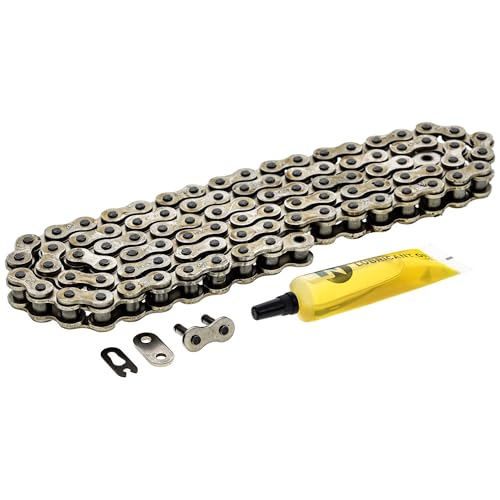
O-ring chains rely on doughnut-shaped elastomeric seals positioned between the inner and outer link plates to maintain lubricant integrity and prevent contamination.
These seals, made from vulcanized elastomeric rubber, fit into a gland groove, compressing to create a tight barrier that retains factory-applied grease within pin and bushing areas. Their design significantly reduces friction and wear, contributing to improved engine protection.
The O-ring’s cross-section exceeds the gland height, blocking diametrical clearance and adapting to surface irregularities under pressure. This deformation ensures zero leakage, with system pressure further enhancing the seal’s effectiveness.
The elastomeric material provides vital elasticity and internal memory for repeated pressure cycles, resisting harsh conditions like abrasives and extreme temperatures.
An O-ring’s ability to return to its original shape after decompression allows the seal to maintain effectiveness over multiple uses, contributing to the chain’s durability and longevity (flexible materials return).
Although non O-ring chains lack sealing elements, they employ a robust construction of rollers, plates, pins, and bushings designed for strength and wear resistance. Proper maintenance and regular lubrication are essential to prevent accelerated wear due to the absence of sealing, as explained in best maintenance practices.
Their pins are press-fit and riveted via bushings, with surface treatments providing hardness while preserving tensile strength. Plates and bushings undergo heat treatment, and inner plates feature lightening holes for a 3% weight reduction.
Without seals, these chains need frequent oiling and cleaning to manage metal-on-metal contact and dirt accumulation, which accelerates wear. Their lightweight design reduces friction in clean conditions, enhancing power transfer, ideal for racing where weight is critical. Non O Ring chains are also known for being lightweight and cheaper compared to their sealed counterparts.
However, they’ve a shorter lifespan, often half that of sealed chains, and require consistent maintenance. Cost-effective for high-wear, performance-focused applications, non O-ring chains suit motocross, sprint, and drag racing uses.
You know, one of the first things you’ll notice about O-ring chains is that they’ve these rubber seals between the link plates. These seals do a great job of locking in lubrication while keeping out contaminants. This design is especially important because certain lubricants are formulated specifically to not degrade these rubber seals, ensuring long-lasting chain performance.
On the flip side, non O-ring chains don’t have those seals, so those areas are left exposed.
Now, sure, the seals and the special plate designs in O-ring chains do add a bit of weight. But let me tell you, that little bit of extra weight really pays off in terms of durability and wear resistance. For example, EK 3D ORING CHAINS feature QX2 X-Rings that provide about 30% better wear resistance and performance than standard O-rings.
When you understand these construction differences, it becomes clear why O-ring chains really shine when it comes to longevity and maintenance needs compared to their non O-ring counterparts.
When comparing chain designs, the presence or absence of sealing components fundamentally influences their construction and performance.
O-ring chains incorporate rubber O-rings positioned between inner and outer link plates around the pins. This creates a doughnut-shaped seal that retains factory-applied grease inside the links. Proper viscosity and specifications of lubricants help maintain seal effectiveness and overall chain performance.
This seal flattens under tension, effectively blocking debris and maintaining lubrication. In contrast, non O-ring chains lack these seals, relying on metal-on-metal contact with shorter pins and a simpler plate-pin-roller assembly.
O-ring seals fit snugly, requiring longer pins to accommodate their thickness. Non O-ring designs expose pins directly to contaminants.
This sealing mechanism in O-ring chains markedly reduces lubricant loss and protects internal components. Non O-ring chains demand frequent external lubrication and are more susceptible to accelerated wear from debris ingress. The design also increases durability and longevity of the chain by retaining lubrication and preventing dirt and moisture intrusion.
The sealing mechanism in O-ring chains not only protects internal components but also influences their weight and durability characteristics. These chains often incorporate water-resistant lubricants to reduce wear and corrosion over time.
You’ll notice O-ring chains feel heavier due to added seals and longer pins, trading weight for markedly extended lifespan.
Non O-ring chains, lighter and less resistant, favor weight savings critical in racing but wear out faster.
ProX’s inner link plate design achieves 3% weight reduction, balancing durability and mass.
O-ring chains also provide a strength advantage because of their longer pins and rubber seals.
| Attribute | O-Ring Chain | Non O-Ring Chain |
|---|---|---|
| Weight | Heavier due to seals and pins | Lighter for performance |
| Durability | 150% longer lifespan, less stretch | Requires frequent replacement |
| Friction | Higher internal friction | Lower friction, frees power |
| Maintenance | Less frequent lubrication needed | Demands regular lubrication |
Experience enhanced chain performance and durability by choosing O-ring chains, which excel at retaining lubrication within the links through self-lubricating rubber seals.
These O-rings trap factory-added grease, ensuring pins remain continuously lubricated and reducing metal-on-metal friction. They also effectively seal out dirt, mud, and water, preventing contamination that accelerates wear. This protection translates into markedly extended chain life, with typical service reaching up to 40,000 km and reduced chain stretch.
Additionally, O-ring chains demand less frequent maintenance and lubrication, minimizing your upkeep efforts. Their design reduces wear on pins and bushings, further extending service life.
Their beefier construction and longer pins enhance strength and resistance to deformation under tension. Overall, O-ring chains deliver superior durability, lubrication retention, and environmental protection, making them a technically advanced choice for high-performance applications and off-road applications.
Hey there! Let’s talk about non O-ring chains for a moment. You’ll notice that they really deliver improved power transfer because of reduced friction and minimal drag. Pretty cool, right? Their performance benefits are similar to how gear oil additives enhance lubrication and reduce friction in mechanical systems.
And here’s another awesome thing: their lighter construction makes them super responsive. This is why they’re often the go-to choice for high-performance riding.
Oh, and let’s not forget about the cost. You’ll benefit from lower upfront costs and, on top of that, easier maintenance compared to those sealed chain options. Non O-ring chains, however, require more frequent lubrication to maintain optimal performance. So, if you’re looking for performance and savings, non O-ring chains might just be the way to go!
Maximize your bike’s power output by choosing non O-ring chains, which minimize friction and energy loss through direct metal-to-metal contact.
Unlike O-ring chains, non O-ring designs eliminate the drag caused by lubrication retention, allowing for nearly frictionless power transfer. However, proper maintenance is essential to prevent premature wear from contaminants and ensure optimal chain life through regular inspections.
This reduction in mechanical resistance results in less horsepower wasted within the drivetrain, directly improving acceleration and throttle response.
You’ll notice quicker elapsed times and higher top speeds, especially in drag racing or track conditions where every bit of power counts.
Although non O-ring chains require more frequent lubrication, this maintenance guarantees sustained low friction and consistent performance.
Their lighter weight compared to O-ring chains also contributes to improved acceleration and handling characteristics.
Beyond improved power transfer, the weight of your chain markedly impacts your bike’s overall performance.
A lightweight, non O-ring chain reduces rotational inertia, enabling quicker throttle response and enhanced acceleration. This weight reduction directly improves handling and speed, especially in racing or motocross where every gram counts. Selecting the appropriate viscosity grade for your chain can also aid in maintaining optimal lubrication and chain efficiency under various conditions.
Because the chain transmits engine power through the gearbox to the rear wheel, reducing its weight lowers the energy required to rotate the drivetrain, improving efficiency and responsiveness power transmission.
Additionally, lighter chains demand less power to maintain speed, improving fuel efficiency without sacrificing strength. Materials like titanium maximize the strength-to-weight ratio, offering superior speed performance and agility on track.
Choosing a non O-ring chain optimizes your drivetrain for competitive scenarios by minimizing drag and energy loss.
| Benefit | Impact |
|---|---|
| Reduced Drivetrain Inertia | Faster throttle response |
| Enhanced Acceleration | Quicker initial speed gains |
| Improved Fuel Efficiency | Lower power demand |
| Superior Speed Performance | Higher top speeds |
| Racing Optimization | Increased agility and strength |
Non O-ring chains call for more frequent lubrication and adjustment to maintain peak performance, especially under demanding conditions like drag strip runs.
You’ll need to lubricate every other run since the absence of O-rings allows lubricant to fling off easily. This design also means dirt infiltrates the links more readily, requiring regular cleaning to prevent abrasive wear.
Despite these maintenance demands, non O-ring chains offer a significant upfront cost advantage; they’re the most affordable option compared to sealed chains with rubber inserts. While their lifespan is shorter due to metal-on-metal contact and debris-induced wear, diligent care can offset replacement frequency.
For track riders prioritizing initial cost and willing to commit to hands-on maintenance, non O-ring chains deliver efficient power transfer with minimized horsepower loss.
However, it is important to note that wear and stretch in these chains lead to increased sprocket wear and reduced efficiency over time. Regular inspection and timely maintenance are crucial to prevent mechanical wear that can cause long-term damage.
Although O-ring chains offer superior sealing, they introduce several drawbacks that can affect performance and maintenance.
You’ll notice increased friction due to seals between inner and outer plates, which saps horsepower and reduces efficiency, especially in racing applications.
The chain’s heavier construction impacts agility, adding unnecessary weight.
Costs also rise markedly since O-ring chains are two to three times pricier than standard ones, reflecting complex manufacturing.
Lubrication poses challenges because seals trap grease but limit easy reapplication, leading to potential dirt accumulation.
Finally, O-rings can deform under pressure, compromising their seal and shortening lifespan compared to alternatives.
While O-ring chains mitigate many issues through sealing, chains without O-rings expose you to a distinct set of challenges. Non O-ring chains suffer from poor lubrication retention, meaning you’ll need to lubricate frequently to avoid accelerated metal-on-metal wear.
Dirt and debris easily infiltrate the pins, causing uneven friction and premature degradation. You’ll find yourself cleaning and adjusting the chain more often due to its propensity for inconsistent tension and rapid stretching.
This results in a markedly shorter service life, even with diligent maintenance. Additionally, the higher friction inherent in non O-ring chains reduces overall efficiency and power transfer.
While they may offer initial cost savings, the increased maintenance demands and reduced durability make them less suitable for demanding or long-term applications.
When choosing the best chain for off-road riding, you must weigh durability against performance demands.
O-ring chains excel in longevity and maintenance efficiency, sealing lubrication to resist mud, water, and debris.
Non O-ring chains offer reduced friction and lighter weight, enhancing power delivery and responsiveness but require frequent lubrication.
Consider these factors:
O-ring chains last 1.5-2 times longer due to sealed lubrication.
Non O-ring chains produce more rear-wheel horsepower with less drag.
O-rings reduce chain stretching and sprocket wear off-road.
Non O-ring chains demand cleaning every 20 minutes in intense use.
O-ring chains cost more upfront but lower total ownership expenses.
For rugged, muddy terrain, O-ring chains provide superior durability and reliability.
ProX emphasizes using high-quality chain components to prevent failures and downtime, which is critical for off-road riders relying on chain strength.
Since racing demands maximized power output and minimal weight, selecting the right chain becomes critical to performance. Non-O-ring chains offer lower friction and reduced weight, freeing up horsepower and improving acceleration. This makes them ideal for motocross and drag racing where rapid power delivery matters most.
However, they require frequent replacement due to accelerated wear from metal-on-metal contact. O-ring chains, heavier and with increased friction from internal seals, provide longer durability but sacrifice some power. This makes them less suited for pure racing. X-ring chains strike a balance, reducing friction compared to O-rings while maintaining durability.
They’re favored by competitive racers who need both efficiency and longevity. Your choice depends on prioritizing horsepower and weight savings versus chain life and maintenance intervals in your specific racing discipline. It is important to note that non O-ring chains require more frequent lubrication to maintain performance and avoid premature failure.
When it comes to maintaining your bike chain, it’s important to tailor your approach based on the type of chain you have. If you’re working with O-ring chains, you’ll find that they require less frequent lubrication.
However, it’s crucial to clean them carefully to keep those seals in good shape. So, stick to gentle soapy water and steer clear of harsh solvents—your chain will thank you! The sealed rings inside O-ring chains help retain lubricant and reduce internal wear, meaning maintenance needs are reduced compared to non-O-ring chains.
On the other hand, if you have a non O-ring chain, you’ll need to be a bit more diligent. These chains tend to accumulate dirt more quickly, so frequent wiping is essential to keep them running smoothly.
Although both O-ring and non O-ring chains require regular lubrication to maintain peak performance, their maintenance frequencies differ markedly due to their design characteristics. O-ring chains benefit from internal lubricant retention, allowing longer intervals between applications. Non O-ring chains need more frequent attention to prevent accelerated wear.
Key lubrication frequency differences include:
O-ring chains: lubricate every 400–800 miles; up to 3,000 km in clean conditions.
Non O-ring chains: lube every 3rd or 4th gas fill or upon dryness/noise detection.
O-ring chains require pre-ride lubing for trail use and post-wash applications.
Non O-ring chains demand lubrication after every run or when warm for prime penetration, as it is best to lubricate after a ride while chain is still hot.
Non O-ring chains are more sensitive to environmental factors, necessitating increased frequency.
Understanding these intervals helps enhance chain longevity and performance.
When tackling chain maintenance, understanding the distinct cleaning approaches for O-ring and non O-ring chains is essential for preserving their integrity and performance.
You must avoid harsh solvents and pressure washers on O-ring chains to protect their seals, cleaning them every 300 miles with a soft cloth and O-ring safe cleaner. Additionally, lubricate O-ring chains every other use with an O-Ring/X-Ring safe lubricant to maintain seal integrity and prevent premature wear.
Non O-ring chains tolerate stronger solvents like kerosene and Brakleen, allowing more aggressive cleaning.
| Aspect | O-Ring Chain | Non O-Ring Chain |
|---|---|---|
| Cleaning Agents | O-Ring safe cleaner, water rinse | Kerosene, Brakleen, fuel |
| Tools | Soft cloth, gentle brush | Toothbrush, rag, chain brush |
| Solvent Restrictions | No gasoline, kerosene, or pressure water | No seal concerns, frequent cleaning |
You can use O-ring chains on electric motorcycles, but expect some efficiency loss due to increased friction and drag.
Without clutch slip to absorb torque spikes, O-rings typically reduce efficiency by 2-4%. To minimize this, you could choose low-drag variants or maintain lubrication rigorously.
However, for maximum efficiency, non-O-ring or belt drives remain superior. So, while feasible, using O-ring chains compromises performance unless carefully managed.
You’ll find that o-ring chains noticeably reduce how often you need to replace sprockets.
Their sealed design retains lubrication, cutting sprocket tooth wear by up to 50% and slowing profile degradation by 30-40%.
This extends sprocket life to 10,000-15,000 miles, compared to 5,000-8,000 miles with non o-ring chains.
Consequently, you can increase maintenance intervals and lower replacement frequency by 40-60%, saving costs over the chain’s lifespan.
You can’t just slap a non O-ring chain on every sprocket without thinking.
While non O-ring chains fit most steel and aluminum sprockets if pitch and width match, they won’t work well with ABS plastic or certain offset rear sprockets designed for O-ring types.
Precision matters. Mismatched pitch or groove width leads to skipping or rapid wear.
You should use oil-based or wet lubricants for non O-ring chains because they penetrate the chain’s pinholes effectively, reducing friction and maximizing power transfer.
Dry film lubricants can work but may not provide enough deep lubrication.
Remember to clean the chain thoroughly before application, and reapply every 100-300 miles depending on riding conditions.
Avoid using lubricants designed specifically for O-ring chains to prevent seal damage and guarantee peak performance.
Oh sure, just grab your magic wand because installing or removing O-ring chains is a breeze without special tools! In reality, you’ll want proper tools like clip-type master link pliers or a chain rivet tool for rivet-type links.
Greased O-rings need careful compression; otherwise, you risk damage. Using dedicated plate pressing tools or multi-function chain tools guarantees precise alignment and seal integrity. This helps avoid costly chain failure or premature wear. Don’t skip these steps!
When you choose between O-ring and non O-ring chains, picture your ride’s engine as a finely tuned machine. O-ring chains lock in lubrication like a sealed vault, cutting wear and extending life.
Non O-ring chains, lighter and less restrictive, offer speed but demand vigilant upkeep. For off-road grit or high-performance bursts, weigh durability against agility. Your decision shapes not just performance but the rhythm of maintenance, ensuring each ride runs smoothly and efficiently.
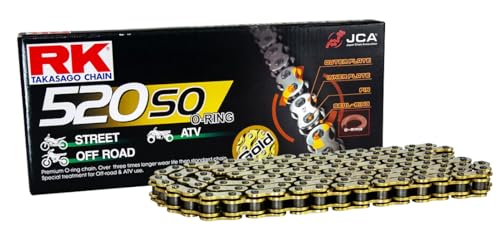

Last update on 2026-10-16 / Affiliate links / Images from Amazon Product Advertising API