Physical Address
304 North Cardinal St.
Dorchester Center, MA 02124
Physical Address
304 North Cardinal St.
Dorchester Center, MA 02124

You need motorcycle oil tailored for combined engine, transmission, and wet-clutch protection, unlike car oil designed for separate systems focused on fuel economy and emissions.
Motorcycle oils meet JASO MA/MA2 standards to guarantee proper clutch friction and include higher anti-wear additives with better shear stability.
These features help maintain viscosity under load and heat. Using car oil risks clutch slippage, accelerated wear, and mechanical damage.
Understanding these differences helps you choose the right oil for peak performance and longevity.
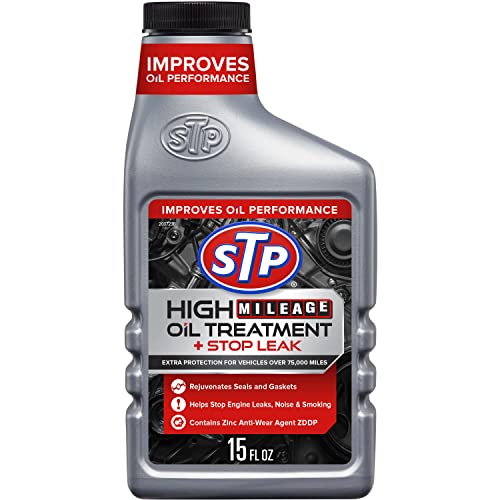

| Comparison Factors | Car Engine Oil | Motorcycle Engine Oil |
|---|---|---|
| Primary Application | Passenger-car engine lubrication | Motorcycle engine lubrication |
| Engine Design Requirements | Primarily designed for automotive engines | Designed for motorcycle-specific operating conditions |
| Transmission Lubrication | Usually separate from gearbox oil | May lubricate the engine and transmission together |
| Wet-Clutch Compatibility | Not automatically suitable for wet clutches | JASO MA/MA2 oils are designed for wet-clutch applications |
| Friction Modifiers | May contain friction-reducing additives | Friction characteristics controlled for applicable clutch requirements |
| JASO MA/MA2 Standards | Not generally a passenger-car oil requirement | Important for motorcycles requiring wet-clutch-compatible oil |
| Anti-Wear Additives | Balanced for automotive performance requirements | Formulated for motorcycle engine and drivetrain demands |
| ZDDP Content | Varies by specification and formulation | Varies by formulation and intended application |
| Shear Stability | Designed for specified engine operating stresses | May require enhanced resistance to gearbox-related shear |
| Thermal Stability | Depends on oil formulation and service specification | Designed for applicable motorcycle operating temperatures |
| Viscosity Requirements | Common grades include 0W-20, 5W-30, and others | Common grades include 10W-40, 10W-50, and others |
| Clutch Slippage Risk | Certain formulations may cause wet-clutch problems | Compatible formulations help maintain proper clutch engagement |
| Gearbox Protection | Not generally intended for shared-sump motorcycle gearboxes | Suitable formulations address combined engine and gearbox lubrication |
| Oil Change Intervals | Follow the car manufacturer’s maintenance schedule | Follow the motorcycle manufacturer’s maintenance schedule |
| Synthetic Options | Conventional, semi-synthetic, and fully synthetic | Mineral, semi-synthetic, and fully synthetic |
| Dry-Clutch Applications | May be suitable if required specifications are met | Suitable when approved for the specific motorcycle |
| Overall Recommendation | Use when it meets the engine’s specified requirements | Choose the correct motorcycle specification, especially for wet clutches |

Although both car and motorcycle oils serve the fundamental purpose of lubricating engines, their formulations differ markedly to meet distinct mechanical and operational demands.
Car and motorcycle oils both lubricate engines but are formulated to meet different mechanical and operational needs.
You’ll find car oils optimized primarily for passenger-car engines, focusing on fuel economy and emissions compatibility. They often incorporate friction modifiers to reduce drag.
In contrast, motorcycle oils must balance engine protection with transmission and clutch requirements, especially in four-stroke bikes. They typically exclude friction modifiers that could impair wet-clutch performance.
Both oil types use base oils and additive packages, but the additive ratios reflect their unique mechanical stresses.
Motorcycle oils prioritize durability under higher shear forces and combined engine-transmission loads, while car oils emphasize lower friction and emissions compliance.
Understanding these foundational differences is critical when selecting the correct oil for your vehicle’s specific mechanical architecture. Motorcycle oils also require compliance with standards like JASO MA/MA2 to ensure optimal wet clutch compatibility and transmission health.
When you choose oil for a motorcycle with a wet clutch, understanding wet clutch compatibility becomes essential to maintaining clutch performance and longevity. Wet clutches rely on oil friction characteristics to prevent slippage and ensure smooth power transfer.
Using car oil, which usually contains friction modifiers, can reduce clutch grip and cause premature wear. Motorcycle oils are specifically formulated without these modifiers to maintain peak friction.
| Factor | Motorcycle Oil |
|---|---|
| Friction Modifiers | Avoided to preserve clutch grip |
| Friction Characteristics | Engineered for clutch engagement |
| Compatibility | Meets wet clutch standards (e.g., JASO MA/MA2) |
Selecting the right oil safeguards clutch function and extends its service life under demanding conditions. Proper engine warm-up, especially in cold conditions, also plays a crucial role in maintaining oil flow and protecting engine components such as the turbocharger.
Understanding the specific requirements for wet-clutch compatibility leads directly to the importance of the JASO MA and MA2 motorcycle oil standards.
These standards guarantee the oil provides the friction characteristics necessary to prevent clutch slippage in motorcycles where the clutch and engine share the same oil. JASO MA oils meet basic wet-clutch performance, while MA2 oils offer a more stringent, high-friction specification for enhanced clutch engagement.
When selecting motorcycle oil, focus on these key aspects:
Only oils meeting JASO MA or MA2 standards guarantee peak wet-clutch performance. Many top oils, such as Valvoline Full Synthetic 10W-40, are formulated to meet these standards to ensure optimal wet clutch protection.
How can you determine if car oil is suitable for your motorcycle? First, verify if your motorcycle’s engine and transmission share oil and if it uses a wet clutch.
Car oils often contain friction modifiers that can cause clutch slippage, so if your bike has a wet clutch, car oil usually isn’t safe. Check for explicit manufacturer approval allowing car oil use, ensuring it meets motorcycle-specific standards like JASO MA or MA2.
Car oils may cause wet clutch slippage; always verify manufacturer approval and JASO MA or MA2 certification.
Also, assess whether the oil’s additive package offers adequate anti-wear protection and shear stability for combined engine and gearbox demands. In dry-clutch or separate-sump motorcycles, car oil might be acceptable if specs align.
Ultimately, only use car oil when your motorcycle’s design, clutch type, and manufacturer recommendations confirm compatibility. For motorcycles, oils with JASO MA certification provide essential wet clutch compatibility and friction control.
Since your motorcycle’s engine and transmission often share oil and operate under high stress, selecting an oil that meets both lubrication and friction demands is critical. You need a formulation that handles wet-clutch compatibility, shear stability, and high thermal loads simultaneously.
Motorcycle oils differ from car oils by balancing additives to prevent clutch slippage while providing strong anti-wear protection.
Focus on these key factors:
Friction characteristics: Make sure the oil meets JASO MA or MA2 standards for wet clutches.
Shear stability: Choose oils designed for gearbox stress and viscosity retention under high shear.
Thermal and wear resistance: Opt for formulations with robust anti-wear additives like ZDDP to withstand elevated engine temperatures.
Selecting the right oil safeguards performance and longevity in your motorcycle’s integrated engine-transmission system. Oils with advanced Trizone Technology offer comprehensive protection for engine, clutch, and gearbox components.
You really need to stick to your motorcycle manufacturer’s oil specifications if you want your engine and transmission to perform at their best. Seriously, using oil that doesn’t meet those standards can cause all sorts of problems.
For instance, if the oil lacks the right friction modifiers or shear stability, you might end up with clutch slippage, faster wear, or even mechanical failure.
And let’s not forget about the risks of ignoring these specs. It can compromise the integrity of your lubrication, which is pretty crucial for keeping everything running smoothly.
Plus, if something goes wrong, you might find that your warranty is voided. That’s a double whammy—you not only jeopardize your bike’s reliability, but you also risk its longevity. So, take those oil specs seriously!
Choosing oil with the proper JASO MA ratings is essential to ensure optimal wet clutch performance and prevent issues like clutch chatter and wear.
Although it might be tempting to choose oil based solely on viscosity or brand familiarity, adhering to your motorcycle manufacturer’s oil specifications is critical to ensuring peak engine performance and longevity.
Your bike’s engine, clutch, and transmission demand a lubricant formulated to meet specific mechanical and thermal stresses. Ignoring these specs risks compromising vital functions.
You should focus on:
Following manufacturer specs guarantees the oil’s formulation matches your motorcycle’s unique operational requirements and maintains ideal protection and reliability.
Ignoring your motorcycle manufacturer’s oil specifications invites several mechanical risks that can compromise engine integrity and drivetrain performance.
Using car oil instead of motorcycle-specific oil can cause wet-clutch slippage due to friction modifiers incompatible with JASO MA/MA2 standards. The inadequate anti-wear additive balance, particularly lower ZDDP content, leaves critical components vulnerable to accelerated wear.
Additionally, car oils generally lack the shear stability required for shared-sump, high-shear motorcycle transmissions, leading to viscosity breakdown and reduced lubrication under load. Thermal breakdown risks increase as motorcycle oils are designed to withstand higher operating temperatures and smaller oil volumes.
Noncompliance may cause clutch chatter, gearbox damage, and premature engine wear, ultimately resulting in costly repairs and reduced reliability. You must adhere strictly to manufacturer oil specs to avoid these performance and durability failures. Using oils with insufficient anti-wear agents can also increase engine noise and reduce component lifespan.
Since motorcycle engines and gearboxes share the same oil reservoir, the lubricant endures significant shear stress. This can rapidly break down its viscosity.
Shear degradation reduces the oil’s ability to maintain a stable lubricating film under mechanical load. This risks increased wear and impaired transmission performance. You need oil formulated specifically for high shear stability to guarantee consistent viscosity throughout operation.
Key factors in shear stability include:
Choosing motorcycle-specific oils with enhanced shear stability safeguards engine and gearbox components. This helps maintain peak performance and longevity. Prolonged overheating can cause structural damage that no oil formulation alone can prevent, highlighting the importance of proper maintenance beyond just oil selection.
Managing heat and load is critical for motorcycle oil performance because motorcycles often operate at higher temperatures and under greater mechanical stress than cars.
You’ll find motorcycles typically have smaller oil sumps, which reduces thermal capacity and accelerates contaminant concentration. This means your oil faces elevated thermal and oxidative stress, demanding enhanced stability.
Additionally, motorcycles commonly run at high engine speeds and load conditions. This requires oil that maintains viscosity and protective film strength without rapid breakdown.
Since the oil also lubricates the transmission and clutch in many bikes, it must resist degradation under combined mechanical and thermal stresses.
Using motorcycle-specific oils formulated with robust anti-wear additives and designed to handle these heat and load profiles guarantees consistent lubrication. This prevents premature wear and maintains overall engine and transmission reliability under demanding operating conditions.
Selecting oils with consistent viscosity across temperature extremes is essential to ensure reliable protection and performance.
Hey there! So, let’s talk about motorcycle oils versus car oils, especially when it comes to anti-wear additives. You see, motorcycle oils usually have higher levels of additives like ZDDP. This is important because these additives help protect your engine from wear.
Now, car oils, on the other hand, tend to focus more on low-friction chemistry to boost fuel economy. While that’s great for cars, it can make a difference in how well your motorcycle is protected, especially given the high-stress conditions motorcycles often encounter.
Understanding these differences in additive formulations can really help you choose the right oil. It’s all about finding something that meets the specific needs of your engine and its wet clutch system. So, next time you’re picking oil for your ride, keep these factors in mind! Oils meeting JASO MA and MA2 standards are specifically tested to ensure optimal clutch performance and engine protection in motorcycles.
Plunge into the chemistry behind motorcycle and car oils, and you’ll find distinct approaches to anti-wear additives tailored to each application.
Motorcycle oils often contain higher concentrations of zinc and phosphorus compounds to combat elevated heat and mechanical stress, especially in shared engine-transmission systems. Car oils, by contrast, prioritize friction modifiers that enhance fuel efficiency but can impair wet-clutch performance in motorcycles.
When selecting oil, consider these key additive chemistry differences:
Anti-wear additive levels: Motorcycle oils typically feature stronger anti-wear agents for protection under combined engine and gearbox loads.
Friction modifiers: Common in car oils to reduce drag but often excluded in motorcycle oils to maintain clutch grip.
Thermal and shear stability: Motorcycle formulations resist additive degradation under higher temperatures and shear forces.
You must choose oil formulas aligned with your motorcycle’s mechanical and clutch requirements for peak durability.
Understanding the role of ZDDP (zinc dialkyldithiophosphate) is essential when comparing anti-wear additives in motorcycle and car oils.
ZDDP serves as a key anti-wear and antioxidant agent, protecting critical engine components under high stress.
Motorcycle oils typically contain higher ZDDP concentrations to address the increased thermal and mechanical loads from shared engine-transmission systems and wet clutches.
In contrast, car oils often reduce ZDDP levels to protect catalytic converters, prioritizing emissions compliance and fuel economy.
This difference in phosphorus and zinc content affects wear protection performance and compatibility.
When selecting oil, you should consider these ZDDP variations carefully. Elevated levels in motorcycle oils help maintain durability, while lower levels in car oils may not meet the stringent demands of motorcycle applications.
Wear protection hinges on the careful balance of anti-wear additives in engine oils, which differ substantially between motorcycles and cars.
Motorcycle oils typically contain higher levels of zinc dialkyldithiophosphate (ZDDP), providing enhanced protection under the intense heat and load conditions of shared engine-transmission systems.
In contrast, car oils focus on friction modifiers that improve fuel economy but may compromise wet-clutch performance.
When selecting oil, you must consider these distinctions to prevent premature wear or clutch slippage.
Key factors influencing wear protection include:
Choosing the correct oil guarantees peak durability and system harmony.
You should change motorcycle oil more frequently than car oil because motorcycles often operate under higher thermal and mechanical stress with smaller oil volumes.
Typically, motorcycle oil changes occur every 3,000 to 5,000 miles or every 6 months, whichever comes first.
In contrast, cars usually allow longer intervals up to 7,500 to 10,000 miles.
Always follow your motorcycle manufacturer’s guidelines, especially since wet clutches and combined engine-transmission systems demand fresher, high-quality oil.
Think of synthetic oils as tailored suits. You can’t just swap one for another and expect a perfect fit.
You can use synthetic oils in both cars and motorcycles, but only if they meet the specific requirements for your engine’s needs.
Motorcycles often demand oils with wet-clutch compatibility and stronger anti-wear additives.
Always check for JASO MA or MA2 ratings for bikes, ensuring the synthetic oil matches your manufacturer’s specs precisely.
Using car oil in motorcycles can increase environmental harm due to faster oil degradation and higher emissions.
Car oils often lack the anti-wear additives and friction characteristics needed for wet clutches, leading to clutch slippage and premature wear.
This causes more frequent oil changes and mechanical failures, increasing waste and resource consumption.
You should always use motorcycle-specific oils to optimize performance, reduce harmful emissions, and minimize environmental impact.
You’ll find that motorcycles typically have a much smaller oil capacity than cars due to their compact engine and shared sump designs.
This reduced volume means the oil heats up faster and has less thermal reserve, increasing stress and contaminant concentration.
You must choose oil formulated to withstand these harsher conditions and replace it more frequently to maintain peak lubrication and engine protection under higher thermal and mechanical loads.
Just like knights had to dispose of battle remnants properly, you need to handle motorcycle oil carefully.
Yes, motorcycle oil requires specific disposal methods: never pour it down drains or on the ground.
Because it contains additives like ZDDP and contaminants, you must take it to authorized recycling centers or hazardous waste facilities.
This guarantees environmental safety and complies with regulations, preserving ecosystems and avoiding legal penalties.
You might be surprised to learn that over 60% of motorcycle engine failures relate to improper oil use.
Using the right oil, specifically formulated for motorcycles with wet clutch compatibility and shear stability, is critical.
Car oils often lack these key properties, risking performance and durability.
By strictly following manufacturer specs and choosing oils meeting JASO MA or MA2 standards, you guarantee peak protection for your bike’s engine and transmission under high heat and load conditions.
Last update on 2026-11-17 / Affiliate links / Images from Amazon Product Advertising API