Physical Address
304 North Cardinal St.
Dorchester Center, MA 02124
Physical Address
304 North Cardinal St.
Dorchester Center, MA 02124

You’ll want 10W-40 if cold starts and fuel efficiency matter most. It flows faster at low temps, reducing startup wear and internal resistance.
Conversely, 15W-50 excels under high heat and heavy loads. It offers a thicker film that resists breakdown, ideal for towing or aggressive riding.
Keep in mind, thicker oil may increase mechanical drag and sluggishness when cold. Choosing the right grade hinges on your climate, engine type, and usage demands. Understanding these trade-offs sharpens your decision.
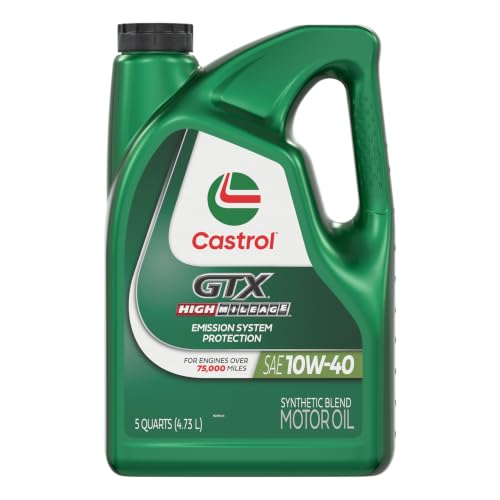
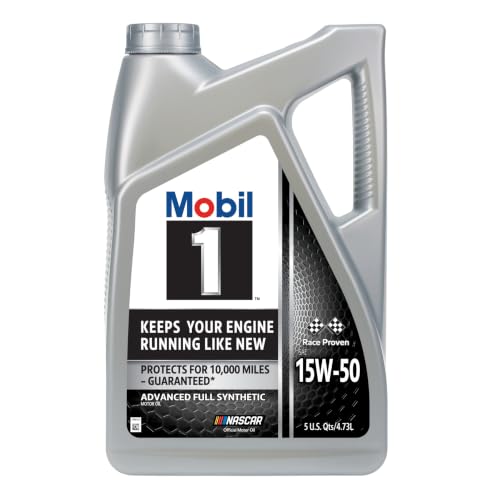
| Feature | 10W40 | 15W50 |
|---|---|---|
| Cold-Start Performance | Excellent oil flow in cold temperatures | Slower circulation during cold starts |
| High-Temperature Protection | Suitable for normal driving | Better for extreme heat and heavy loads |
| Oil Film Strength | Moderate protective film | Thicker, more durable protective film |
| Fuel Economy | Generally offers better fuel efficiency | May slightly reduce fuel economy due to higher viscosity |
| Engine Response | Smoother and more responsive | Can feel slightly heavier during acceleration |
| Best Climate | Cold to moderate climates | Hot climates and demanding conditions |
| Ideal Driving Style | Daily commuting and regular driving | Towing, racing, high-RPM, or heavy-duty use |
| Engine Wear Protection | Excellent during cold starts | Superior during high-temperature operation |
| Manufacturer Compatibility | Use when recommended by OEM | Use only if approved by the manufactu |

When you choose between 10W-40 and 15W-50 engine oils, you’re selecting how your oil behaves at both cold start and operating temperatures.
The first number before the “W” indicates oil viscosity at low temperatures. Here, 10W flows more readily than 15W, facilitating faster cold circulation.
The second number reveals the oil’s thickness at high temperatures. 40-grade oil is thinner than 50-grade under heat, affecting film strength and load protection.
Consequently, 10W-40 balances moderate cold flow with standard operating viscosity.
On the other hand, 15W-50 delivers increased thickness and durability under extreme heat or stress.
Understanding these differences helps you match oil performance to engine demands, climate, and manufacturer specifications.
This optimization enhances protection without compromising efficiency or startup lubrication.
It is also important to consider the cold-temperature performance of these oils to ensure optimal engine protection in various climates.
When you fire up your engine in chilly weather, you’ll notice that 10W-40 flows more easily than 15W-50. This means it can quickly lubricate all those vital components, which is pretty important. With better cold flow, you’re actually reducing the risk of startup wear by cutting down on metal-to-metal contact when you first crank it. Its lower winter viscosity allows for faster oil circulation, enhancing cold start performance in low temperatures.
Typically, you’ll notice that 10W-40 oil flows more readily than 15W-50 during cold starts, thanks to its lower winter viscosity rating.
This means 10W-40 pumps faster through engine passages, reducing lag in lubrication immediately after startup. In contrast, 15W-50’s higher cold viscosity impedes flow, causing slower oil circulation when temperatures drop.
This difference impacts cold flow efficiency directly. 10W-40 guarantees more rapid oil delivery to critical components, minimizing friction and wear risk under chilly conditions.
While both oils meet multigrade standards, 10W-40’s formulation favors colder climates or engines with tighter cold-start tolerances. If you operate in lower temperatures, 10W-40’s superior cold flow efficiency will help maintain peak engine protection during initial startup phases, where fast oil film formation is vital.
Additionally, oils with a lower cold viscosity rating like 10W-40 enable faster oil circulation that improves oil pressure and flow immediately after ignition.
Understanding cold flow efficiency naturally leads to examining how startup wear risk varies between 10W-40 and 15W-50 oils.
Since 10W-40 flows more readily at low temperatures, it lubricates engine components faster during cold starts. This reduces metal-to-metal contact and minimizes wear.
In contrast, 15W-50’s higher cold viscosity slows oil circulation, increasing the window of insufficient lubrication. This raises startup wear risk, especially in colder climates.
If you operate in moderate to low temperatures, 10W-40’s superior cold-start performance better protects your engine.
However, if you’re in hotter environments or under heavy loads, 15W-50’s thicker hot viscosity offers better film strength once running.
Ultimately, your choice should balance cold-start protection with operating temperature demands to minimize wear without compromising oil film integrity.
It is important to consider that thicker oils like 15W-50 can increase startup engine wear due to delayed oil flow, especially in freezing conditions, highlighting the need to match oil viscosity to ambient temperature for cold-weather performance.
When your engine runs hot, the thickness of the oil at operating temperature really matters for keeping that protective film intact. You know, it’s all about making sure your engine stays safe. That’s where 15W-50 comes into play.
It offers higher viscosity when things get heated up, which means it’s better at resisting breakdown during heavy loads or when you’re pushing those RPMs for a long time.
On the flip side, 10W-40 does a decent job under normal conditions. It can protect your engine well enough, but when the heat cranks up to extreme levels, it might thin out a bit more than you’d like.
Choosing the right oil viscosity is crucial because thermal protection helps reduce wear and prolong engine life in high-temperature scenarios.
Although both 10W-40 and 15W-50 oils share multigrade properties, 15W-50 exhibits markedly higher viscosity at operating temperature. This provides a thicker lubricant film that better withstands heavy loads and sustained high heat.
This higher viscosity reduces metal-to-metal contact under stress, which is vital for engines running at elevated temperatures or under demanding conditions.
| Feature | 10W-40 | 15W-50 |
|---|---|---|
| Viscosity at 100°C (cSt) | Approximately 14.5–16.3 | Approximately 18.5–21.9 |
| Lubricant Film Thickness | Moderate | Thicker |
| Load Carrying Capacity | Suitable for moderate use | Superior for heavy duty |
| Heat Stability | Adequate | Enhanced |
Choose 15W-50 if you need robust hot-running protection. 10W-40 performs well in less severe thermal environments. The thicker film of 15W-50 also helps minimize wear during demanding operations by maintaining stable lubrication under high thermal stress.
Since engines generate significant heat during operation, choosing an oil grade with strong thermal stress resistance is essential for maintaining protection under high temperatures.
Between 10W-40 and 15W-50, you’ll find that 15W-50 offers superior hot-running protection due to its higher viscosity at operating temperature.
This thicker oil forms a more robust lubricating film, reducing metal-to-metal contact under heavy load, sustained high RPMs, or extreme heat.
Conversely, 10W-40, while adequate for standard conditions, may thin out more under thermal stress, risking faster breakdown and wear.
If you operate in hot climates, tow heavy loads, or push your engine hard, 15W-50 better resists viscosity loss and thermal degradation.
However, always verify manufacturer recommendations, as excessive thickness can increase drag and affect performance if not suited to your engine design.
Advanced synthetic formulas provide robust thermal breakdown resistance for heavy loads and towing applications.
Selecting the appropriate oil grade hinges on matching viscosity characteristics to your local climate and riding demands. If you ride in colder environments, you’ll benefit from 10W-40’s superior cold-flow properties. This grade reduces startup wear by circulating quickly at low temperatures.
Conversely, in hotter climates or during aggressive riding that generates sustained high engine heat, 15W-50’s thicker operating viscosity forms a more robust oil film. This minimizes thermal breakdown and wear under stress.
Your riding style influences this choice: moderate daily use aligns well with 10W-40. High-load, high-RPM, or heavy-duty conditions justify 15W-50’s enhanced protection.
Ultimately, balancing cold-start ease with hot-temperature durability guarantees peak lubrication. Always verify manufacturer specifications to confirm compatibility and engine longevity.
When you consider engine type and usage, the choice between 10W-40 and 15W-50 hinges on how your engine handles viscosity and thermal load. You’ll want to evaluate these key factors:
Choosing oil that aligns with your engine’s design and operating conditions optimizes protection and performance. This helps avoid excess wear or drag caused by mismatched viscosity. Additionally, selecting oil with the proper thermal resistance is essential for maintaining engine longevity under demanding conditions.
Both 10W-40 and 15W-50 oils impact fuel economy and engine feel primarily through their viscosity differences.
You’ll notice 10W-40 offers lower internal resistance due to its thinner cold and operating viscosities, which can translate into slightly improved fuel efficiency.
In contrast, 15W-50’s higher viscosity, especially at operating temperature, creates increased pumping effort and drag, which may reduce fuel economy marginally.
When accelerating, 15W-50 can feel less responsive or sluggish because the thicker oil imposes greater mechanical drag.
These differences are most pronounced during cold starts and initial warm-up.
Once the engine reaches normal operating temperature, feel variations diminish.
Selecting between these grades depends on your engine’s design and operating environment, balancing the trade-off between fuel economy and protective oil film strength under different thermal and load conditions.
Additionally, the choice of base oils and additive formulations can significantly influence oil performance and engine protection.
Although you might be tempted to choose an oil grade based on general viscosity comparisons, following your manufacturer’s oil recommendations guarantees peak engine performance and longevity.
Manufacturers specify oil grades after rigorous testing, ensuring peak cold-start flow, thermal protection, and compatibility with your engine’s design parameters.
Manufacturers rigorously test oil grades to ensure optimal cold-start flow, thermal protection, and engine compatibility.
Deviating from these specs can compromise lubrication, increase wear, or impair fuel efficiency.
Here’s why you should adhere strictly to their guidance:
Following these recommendations supports reliability, performance, and engine lifespan without guesswork.
Additionally, selecting oils that meet industry approvals/specs ensures compatibility with modern engine technologies and emission systems.
Mixing 10W-40 and 15W-50 oils won’t immediately harm your engine, but it’s not ideal.
You’ll create an inconsistent viscosity that might affect lubrication performance, especially during cold starts or high-heat operation.
This inconsistency can increase wear risk or reduce protection under stress.
Always aim to use oil matching your manufacturer’s specs. If you mix, change the oil promptly to restore proper viscosity and maintain peak engine protection.
You should follow the manufacturer’s recommended oil change interval regardless of using 15W-50 or 10W-40.
However, since 15W-50 is thicker and often used under severe conditions, you might consider more frequent changes if operating in extreme heat or heavy loads to prevent oil degradation.
Always monitor oil condition and engine performance closely.
Adjust intervals based on usage severity, thermal stress, and contamination levels rather than solely viscosity grade.
Yes, synthetic oil generally outperforms conventional oil in both 10W-40 and 15W-50 grades.
It offers superior thermal stability, better flow at low temperatures, and enhanced resistance to breakdown under high stress.
You’ll get improved engine protection, reduced wear, and longer oil change intervals.
Synthetic’s consistent viscosity helps maintain ideal lubrication, especially in extreme conditions.
This makes it a more reliable choice for performance and longevity regardless of the viscosity grade.
Think of oil additives as the unsung heroes customizing each formula’s performance. Yes, additives can differ between 10W-40 and 15W-50 oils because each targets distinct viscosity and operating conditions.
You’ll find variations in detergents, anti-wear agents, and viscosity modifiers tailored to balance cold flow or high-temperature film strength. However, additive packages must align with base oil type and performance standards rather than viscosity grade alone to guarantee peak engine protection.
Yes, using 15W-50 can void your vehicle’s warranty if it doesn’t meet the manufacturer’s specified oil grade.
Manufacturers set viscosity requirements based on engine design and operating conditions. If you deviate by using a thicker oil like 15W-50 without approval, you risk warranty denial due to potential inadequate lubrication or increased wear.
Always consult your owner’s manual and use oils compliant with OEM specs to protect your warranty.
When choosing between 10W-40 and 15W-50, remember that “a stitch in time saves nine.”
You want oil that matches your engine’s needs and climate conditions precisely.
10W-40 offers better cold-start flow, while 15W-50 excels under high heat and heavy loads.
Prioritize your manufacturer’s recommendations to optimize performance, fuel economy, and engine longevity.
Making the right choice now prevents costly damage later, ensuring your engine runs smoothly and efficiently.
Last update on 2026-10-06 / Affiliate links / Images from Amazon Product Advertising API