Physical Address
304 North Cardinal St.
Dorchester Center, MA 02124
Physical Address
304 North Cardinal St.
Dorchester Center, MA 02124

When choosing between Fluid Film and Krown, your decision hinges on application style and protection needs.
Fluid Film’s wool-wax formula offers long-lasting, flexible rust protection ideal for DIY use, leaving a less sticky, waxy barrier with some lanolin odor. Krown requires professional application, delivers strong moisture resistance, but needs annual reapplication and more maintenance.
Both protect well in harsh conditions, so understanding their differences helps you pick the best fit for your vehicle’s durability and care. Explore further to assess which suits your priorities.
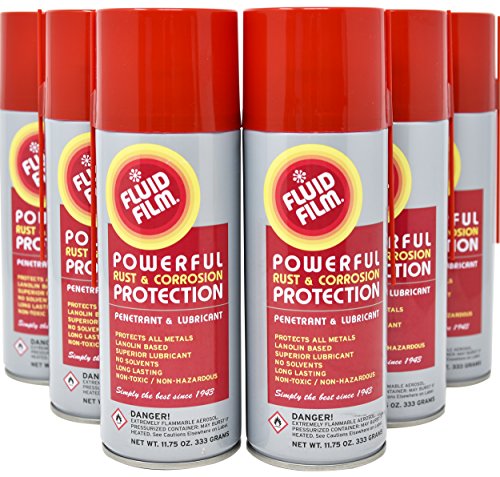
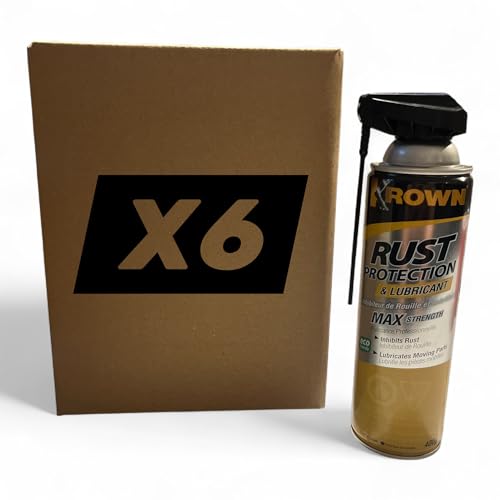
| Feature / Factor | Fluid Film | Krown |
|---|---|---|
| Base formulation | Lanolin (wool-wax) based, solvent-free, low VOC, non-toxic | Petroleum-based rust inhibitor with solvents and additives |
| Application style | DIY-friendly with aerosol cans, bulk, and spray guns | Primarily professional application via service centers |
| Film characteristics | Soft, self-healing, non-drying waxy barrier | Thicker, more solid film designed to resist wash-off |
| Corrosion resistance | Long-lasting protection across multiple seasons with strong moisture displacement | Strong initial protection but typically needs annual reapplication |
| Water & dirt behavior | Clings well and stays wet; can attract more dirt and may need periodic cleaning | Resists wash-off better, less dirt buildup, good for wet, harsh climates |
| Odor & user experience | Noticeable lanolin odor that can linger; less sticky residue | Milder smell, but can leave a wet, oily, sticky residue and potential dripping |
| DIY vs professional use | Ideal for owners who want control over coverage and timing | Suits drivers preferring a set-it-and-forget-it shop service each year |
| Longevity & maintenance | Can last 12 months or longer with fewer touch-ups when applied well | Typically requires annual treatment and more frequent cleaning |
| Component compatibility | Safe on most metals and electrical parts; check around certain paints and rubber | Effective on steel and aluminum; may be harsher on rubber components |
| Environmental profile | Lanolin base offers partial biodegradability and lower ecological risk | Petroleum base is stable and durable but less eco-friendly overall |
| Cost & availability | Often slightly higher per can, but widely available internationally | Generally cheaper per unit, strong presence in shops, especially in Canada |
Fluid Film is based on specially processed wool-wax, primarily lanolin, combined with highly refined petroleum oils and metal-wetting agents. It’s solvent-free with less than 1% VOCs, non-toxic, and remains chemically stable without evaporating, forming a soft, flexible, gelatinous barrier that penetrates deeply.
This composition allows Fluid Film to be used effectively in environments requiring corrosion prevention. Its ability to maintain a protective layer without drying out offers advantages similar to those found in environmentally friendly practices.
Krown, however, is a petroleum-based undercoating with proprietary rust inhibitors and solvents. These solvents enable faster drying and create a hard, durable film optimized for automotive chassis protection. Krown’s formulation includes additives for UV resistance and water repellency but emits higher VOCs, posing greater environmental impact.
Fluid Film’s viscous, amber liquid maintains long-lasting corrosion protection without drying out. Krown balances penetration and rapid film formation, favoring a solid protective coating suitable for harsh environments.
Although both Fluid Film and Krown serve the same purpose of corrosion protection, their methods of application differ considerably, impacting user experience and maintenance schedules.
Krown is typically applied by trained technicians using pressurized spray equipment within a professional service network. This ensures thorough coverage, especially on hard-to-reach undercarriage areas.
The product sometimes requires drilling holes in panels for internal spraying, although plugs underneath rocker panels can be used to avoid this. This professional approach involves annual re-sprays to maintain effective protection and aligns with industry best practices for corrosion control.
Applied by trained technicians using pressurized spray equipment for complete undercarriage coverage.
Conversely, Fluid Film caters to DIY users, available in aerosol cans, bulk containers, and spray guns. This allows you to apply it yourself on ramps or stands with overspray precautions. Its lanolin-based, viscous formula clings and penetrates surfaces, enabling flexible, repeatable applications without service appointments.
Both require clean metal surfaces, but Fluid Film’s DIY suitability offers immediate control over coverage and reapplication frequency. However, Fluid Film can be messy to apply and may require skill or protective measures to avoid overspray during application.
When it comes to assessing corrosion resistance levels, both Fluid Film and Krown really stand out in tough weather conditions. They both provide solid protection against rust by effectively repelling moisture and road salts. Both products also focus on maintaining seal protection to ensure long-term engine and component reliability.
Now, here’s where it gets interesting. Fluid Film has this lanolin base that does a great job of displacing water, which means it’s pretty effective in keeping things dry. It is important to note that proper application is necessary to ensure the best performance of Fluid Film in all areas.
Because harsh weather conditions accelerate corrosion, choosing a protective product that withstands snow, salt, and moisture is essential.
Fluid Film’s lanolin base forms a self-healing barrier that penetrates moisture and resists degradation through freeze-thaw cycles, delivering superior long-term corrosion resistance. It is also safe for all finishes, wiring, and wire plugs, adding waterproofing without risking damage. Its ability to maintain engine cleanliness parallels the benefits seen in premium synthetic oils designed for Subaru Forester engines.
Krown’s petroleum-based formula provides initial protection but tends to degrade faster, requiring more frequent reapplication in harsh climates.
Consider these corrosion resistance aspects:
For lasting corrosion control under severe weather, Fluid Film generally offers higher reliability and longevity.
Understanding corrosion resistance is only part of the equation. How these products interact with water and dirt directly impacts their protective performance in harsh weather.
Fluid Film’s lanolin base keeps a barrier even when wet but tends to attract more dirt. This dirt can accumulate and trap moisture if not cleaned regularly. Its thinner viscosity means you may need more frequent reapplications, especially in constant water exposure.
Additionally, Fluid Film’s non-drying, wet film provides ongoing corrosion control, which helps maintain protection despite environmental challenges. However, the thinner viscosity also means it offers less mechanical protection compared to thicker formulations.
Krown’s petroleum-based, thicker formula offers superior water resistance and less dirt buildup. This provides longer-lasting protection against washout in heavy rain or snow. Its higher viscosity creates a more robust barrier that can better withstand harsh environmental conditions.
Both penetrate seams effectively and allow for routine cleaning without compromising protection.
However, neglecting dirt removal can undermine their effectiveness. Regular maintenance is essential to prevent moisture entrapment and corrosion acceleration.
When you apply Fluid Film, you’re going to notice that distinct lanolin odor. It’s pretty recognizable, right? But the good news is, it leaves minimal residue, which makes it cleaner to handle. This minimal residue is comparable to the low residue characteristic seen in some high-quality gear oils.
On the flip side, we’ve Krown. It has a less offensive smell, which is nice, but some users have mentioned that it can leave a sticky residue. That can definitely be an issue for some people.
Now, both products do offer strong coverage. But if we’re talking about professional application, Krown usually has the upper hand when it comes to reaching those tighter spaces. This demonstrates how user experience can vary depending on application methods and product design.
DIY Fluid Film sprays are great, but they may not get into those nooks and crannies as effectively. So, it really depends on what you’re looking for!
Although both Fluid Film and Krown serve as effective rust inhibitors, their odor and residue characteristics considerably impact user experience.
Fluid Film has a strong, distinctive lanolin-based odor that can linger for weeks, which some users find unpleasant. In contrast, Krown’s smell is milder and less intrusive. It is important to regularly maintain treated areas to prevent contaminant buildup that could reduce effectiveness.
Regarding residue, Fluid Film leaves a waxy, tacky film that’s less sticky than traditional undercoatings.
Krown leaves a wet, oily residue prone to dripping, especially in heat. Both attract dirt and require periodic cleaning. It is important to note that certain cleaning products, like Jimbo’s Super Soap, offer safe and effective cleaning compatible with all surfaces and coatings, which can help maintain treated ares.
Fluid Film’s persistent odor and non-drying residue appeal to users prioritizing protection over scent. Krown offers a milder smell but a messier residue with potential dripping issues. Both residues can attract dirt and need routine maintenance.
Because application method and coverage directly affect rust protection performance, choosing between Fluid Film and Krown depends on your vehicle’s specific needs and your preferred application approach.
Fluid Film’s lanolin base offers thicker, non-drip coverage ideal for DIY users, while Krown requires two coats with a 12-hour cure, often applied professionally. Additionally, both products generally withstand pressure washing without significant removal, indicating good adhesion if applied properly.
User feedback highlights Fluid Film’s thorough coverage and less sticky residue, contrasted with Krown’s stickier finish that attracts dust.
| Feature | Fluid Film | Krown |
|---|---|---|
| Application Method | Spray guns, DIY-friendly | Aerosol, professional use |
| Coverage Durability | Long-lasting, builds with layers | Shorter, needs frequent reapply |
| Residue | Less sticky, minimal mess | Sticky, dust-attracting |
| Surface Compatibility | Safe on most metals, not rubber | Best on steel, aluminum |

Since durability and upkeep considerably impact the overall value of rust protection products, understanding the longevity and maintenance demands of Fluid Film and Krown is essential.
Fluid Film’s lanolin base adheres deeply, providing corrosion resistance lasting up to 12 months or longer with proper care, sometimes extending protection to multiple years. Its superior clinging power makes it ideal for long-term rust prevention. This extended protection reduces the frequency of application, contributing to overall cost-effectiveness in vehicle maintenance.
Krown also offers about a year of protection but tends to attract dirt, requiring more frequent cleaning and reapplication to maintain effectiveness. Fluid Film requires less frequent touch-ups due to its waxy, non-sticky coating.
Krown needs annual treatments with pre-cleaning to remove grime for ideal adhesion. Both products benefit from washing after salt exposure to prolong protection. Knowing these factors helps you maximize maintenance intervals and protect your vehicle effectively.
When protecting your vehicle, understanding how Fluid Film and Krown affect various components is essential for peak performance and longevity.
Fluid Film forms a wet, non-drying barrier that clings to metal surfaces, preventing rust and lubricating suspension parts, brake cables, and moving joints. It remains soft, pliable, self-healing, non-drying, and resistant to cracking for extended protection.
It’s electrically non-conductive, making it safe for battery terminals and electrical connections. Both products are associated with marine lubricants and have identical part numbers, indicating interchangeability in some applications.
Krown, petroleum-based, penetrates existing rust, pushing out moisture while protecting steel, aluminum, and dissimilar metals. It absorbs into joints, reducing friction and corrosion in suspension and electrical components.
Both products effectively shield undercarriage, frame, chrome, trim, body panels, and interior metal from corrosion. However, Fluid Film may affect some undercoating paints, so check compatibility.
Although Fluid Film and Krown each provide robust rust protection, comparing them with similar products reveals key differences in formulation, application, and durability that can influence your choice based on vehicle needs and maintenance preferences. Both products are designed to meet industry standards, ensuring reliable rust prevention in various conditions.
Fluid Film’s lanolin-based formula offers natural lubrication and clings well but may require more frequent reapplications. It also provides a less messy application process compared to other products.
Krown’s thicker, petroleum-based coating penetrates rust deeply and lasts longer but can affect rubber components. This heavy-duty protection is similar to what professionals seek in long-lasting corrosion control.
Selecting between these depends on whether you prioritize ease of maintenance or long-term, heavy-duty corrosion control.
Beyond performance and application differences, considering environmental and safety factors can considerably influence your choice between Fluid Film and Krown.
Both products avoid solvents and toxins, meeting North American environmental regulations and not classified as hazardous waste. Fluid Film’s lanolin base offers partial biodegradability, whereas Krown’s petroleum base remains stable without leaching into soil or water.
Users often apply these coatings regularly to maintain effective rust resistance, demonstrating their practical longevity in harsh environments regular application.
Both Fluid Film and Krown comply with North American environmental standards and are free from solvents and toxins.
Neither emits harmful fumes, requiring no special protective gear, and both are non-flammable, reducing fire risks during storage and use. You’ll find both safe for indoor application, children, and pets once dried.
Spill cleanup is manageable with standard absorbents. Long-term, Fluid Film poses less ecological risk if released, while Krown’s stability limits contamination. Both products are designed to stay on surfaces, minimizing environmental migration and bioaccumulation risks.
Yes, you can use Fluid Film or Krown on classic car restorations. Fluid Film offers superior corrosion control with a lanolin base, ideal for bare metal and chrome. However, avoid rubber parts.
Krown is easier to apply and works well on steel and aluminum but can be harsh on rubber. Both require annual reapplication and caution when used over factory coatings or undercoatings to prevent damage during restoration.
For saltwater coastal environments, you’ll find Fluid Film superior due to its lanolin-based formula that clings better and offers longer-lasting corrosion protection against salt and moisture.
It’s safer for rubber seals and wiring, which is critical in salty conditions. While Krown penetrates well, it risks swelling rubber parts and has a petroleum base that is less favorable environmentally.
Fluid Film’s thicker coating also better protects aluminum from acid salt damage typical of coastal use.
You can safely apply both Fluid Film and Krown directly over existing rust without complete removal.
They penetrate rust and rust scale, forming protective barriers that halt corrosion progression.
Fluid Film offers a self-healing, non-drying film, while Krown migrates into tight spaces with a non-toxic, solvent-free formula.
Just guarantee loose rust and debris are cleaned off for ideal adhesion.
Always verify compatibility with your vehicle’s materials before application.
Neither Fluid Film nor Krown requires special disposal methods beyond standard hazardous waste protocols.
You must dispose of leftover products and contaminated materials via authorized waste contractors, following local and national regulations.
Contain spills with inert absorbents like sand or vermiculite, label waste properly, and avoid releasing materials into waterways or soil.
Always consult their Safety Data Sheets and use protective equipment during handling and cleanup to guarantee compliance and safety.
You can apply Fluid Film safely even below 62°F (16.7°C), as it remains pliable and prevents freezing, thanks to its lanolin base.
Krown, with petroleum-based inhibitors and invert-spray tech, suits all weather without specific temperature limits.
Both withstand extreme heat; Fluid Film’s flash point is 405°F, offering durable corrosion protection.
When you choose between Fluid Film and Krown, imagine coating your vehicle with an invisible fortress against rust. Each product battles corrosion like a relentless warrior.
Fluid Film’s natural formulation seeps deeply, while Krown’s advanced chemicals form a tough, durable shield. Both excel in harsh weather, but your choice hinges on application ease, maintenance, and environmental impact.
In the end, it’s not just protection; it’s armor that keeps your vehicle’s integrity standing strong through every storm.
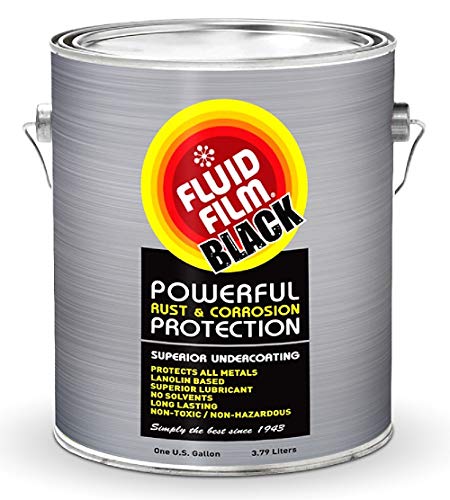

Last update on 2026-04-12 / Affiliate links / Images from Amazon Product Advertising API