Physical Address
304 North Cardinal St.
Dorchester Center, MA 02124
Physical Address
304 North Cardinal St.
Dorchester Center, MA 02124
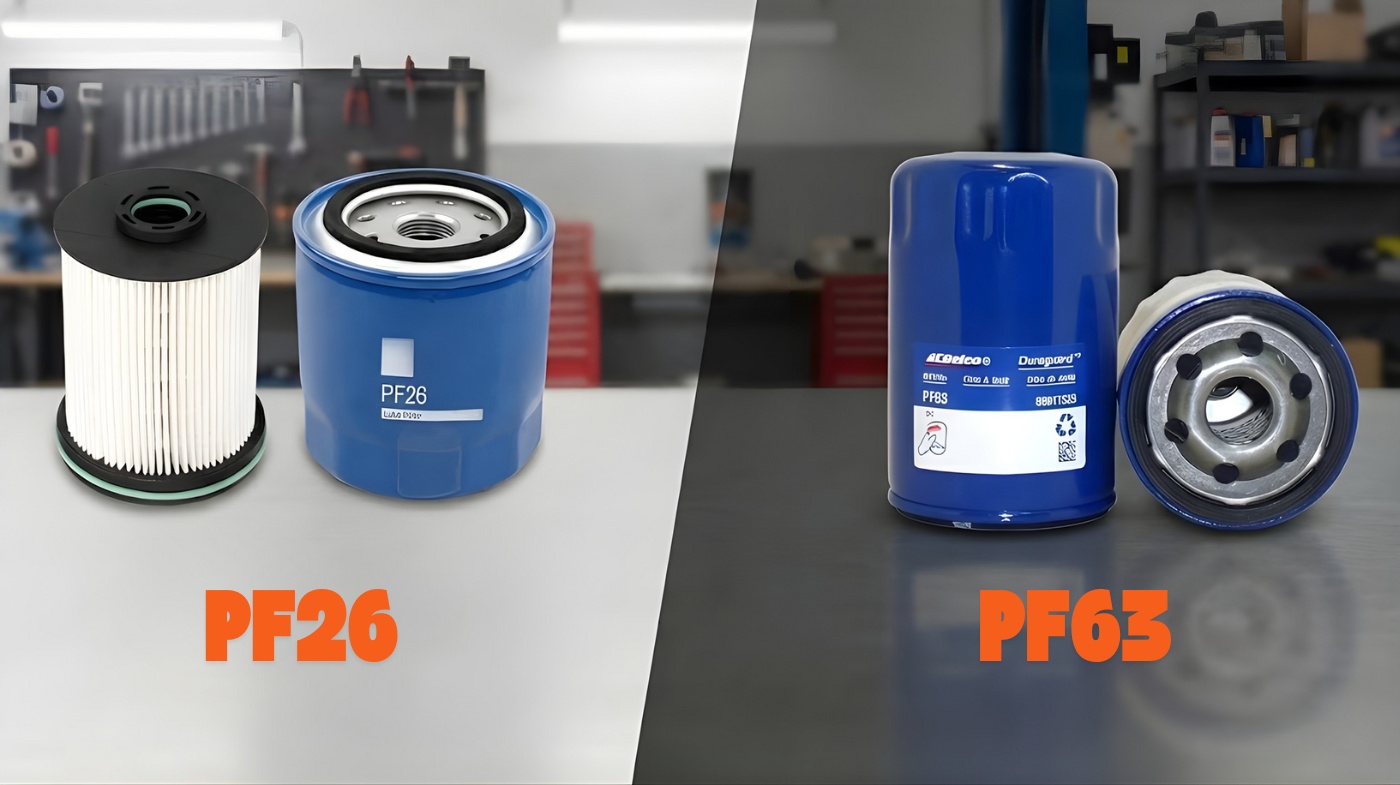
If you’re choosing between PF26 and PF63 oil filters for your Duramax 6.6L engine, know that PF26 fits pre-2020 models with larger media and unknown bypass specs, offering robust filtration.
PF63, slimmer and taller with a higher bypass pressure, suits 2020+ engines and improves oil flow in tighter spaces. It uses seven-layer media but less surface area, risking quicker clogging.
Understanding their design and performance differences can help you optimize your engine’s durability and efficiency.
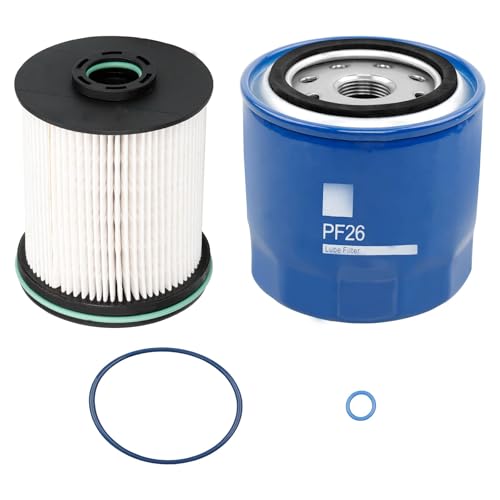
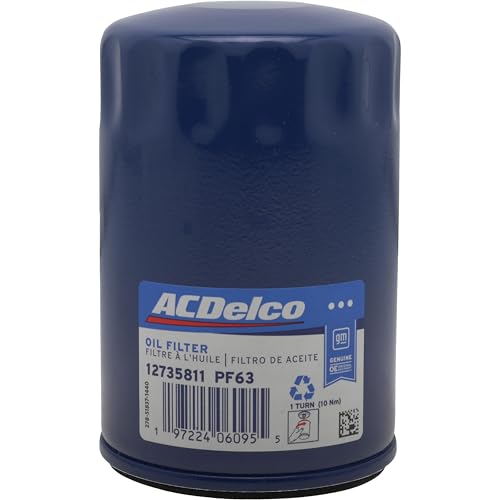
| Feature | PF26 Oil Filter | PF63 Oil Filter |
|---|---|---|
| Primary Engine Use | Pre-2020 Duramax 6.6L | 2020+ Duramax and multi-engine use |
| Overall Size | Wider and shorter body | Slimmer and slightly taller design |
| Filtration Media Area | Larger media (~261 sq. inches) | Smaller media surface area |
| Clogging Resistance | Better for extended heavy use | May clog faster under high soot loads |
| Bypass Valve Pressure | Approx. 12 PSI (diesel-optimized) | Higher bypass pressure for modern engines |
| Oil Flow Characteristics | Stable flow with thicker oils | Improved cold-start oil flow |
| Best Suited For | Older L5P engines with more clearance | Tighter engine bays and newer designs |
Although PF26 was the standard oil filter for pre-2020 L5P Duramax 6.6L diesel engines and select medium-duty Chevy/GMC trucks, GM replaced it with the PF63 starting in 2020 to accommodate a wider range of engines and improve flow characteristics. Proper maintenance, including correct oil drain plug tightening, is critical to ensure optimal engine performance when using these filters.
GM transitioned from PF26 to PF63 filters in 2020 to enhance compatibility and oil flow across engines.
The PF26 featured a 12psi bypass valve optimized for 15W-40 diesel oil, glued seams, and metal end caps. PF63 maintained the 12psi bypass but introduced 65 pleats and enhanced end cap flow design for superior oil circulation. A primary revision in the PF63 is the end cap geometry which significantly increases flow-through area compared to earlier designs.
GM’s update aimed to service not only L5P but also L8T, 5.3L, 6.2L, and gasoline engines, broadening compatibility. Importantly, the PF63E variant with a 22psi bypass is unsuitable for L5P engines.
Both filters share core design elements, but the PF63’s revisions optimize volume efficiency, essential for modern engine demands. Ensuring components like the oil drain plug are neither over-tightened nor loose helps maintain this volume efficiency and prevents leaks or damage.
When comparing the PF63 to the PF26, you’ll notice the PF63 features a slimmer profile designed specifically to fit tighter clearances around the oil cooler. This redesign addresses spatial constraints in the 2020-2025 Duramax 6.6L engines, replacing the PF26 as the superseded part.
The PF63 is a genuine GM replacement oil filter, ensuring optimal performance and reliability for these engines. Although exact PF26 dimensions are unavailable, the PF63’s precise measurements provide insight into its compactness.

Examine the filtration media differences between the PF26 and PF63 to understand their impact on durability and particulate capture in Duramax engines.
The PF26 uses a larger synthetic microfiber media area, approximately 261 square inches, tailored for 2020-2023 Duramax applications. It provides better resistance to clogging under heavy use. It features seven layers of hybrid media but lacks a specified micron rating, generally capturing particles around 30 microns.
The OEM PF26 filter media area is about half the size of premium aftermarket filters, which offer significantly improved filtration performance. Proper oil selection is essential for maintaining engine health and ensuring optimal filter performance.
Conversely, the PF63 maintains the same seven-layer hybrid design but reduces media size to match smaller 5.3L filters. This increases clogging risk despite targeting 30-micron particulate capture explicitly.
Both filters achieve standard OEM filtration efficiency without magnets. Aftermarket options like PPE double the media area and improve micron ratings to 5 microns, markedly enhancing particulate retention beyond OEM capabilities by using ultra-fine synthetic microfiber.
Since bypass valves regulate oil flow when filter media clogs, understanding their pressure ratings is critical for matching filters to engine requirements. The PF63 series features a bypass valve rated at 22 PSI in its updated PF63E and replacement versions.
This supports higher oil pressure for modern LS and V6 engines. Proper pressure stability in bypass valves helps prevent engine damage caused by oil starvation. The PF63E baseplate also includes eight inlet holes, which enhances oil flow distribution to the filter media.
Conversely, the PF26 lacks documented PSI ratings, making direct comparisons difficult. You should consider these key points:
Beyond bypass valve specifications, the construction differences between the PF26 and PF63 directly influence filtration performance and engine compatibility.
You’ll notice PF63 is smaller overall, 19mm narrower but 2mm taller than PF26, with thinner can walls enhancing cold flow. Regular inspections of oil filters can help detect early signs of contamination and wear, which is critical for maintaining engine health and performance through optimal filtration signs of contamination.
Its inlet design evolved through multiple revisions, increasing hole size and count to optimize diesel oil filtration and maintain media volume despite reduced size. This results in improved oil pressure and enhanced cold start performance on 2020-2024 L5P engines. The PF63 gasket dimensions also differ, impacting seal integrity.
Additionally, the PF63’s bypass pressure is typically lower than the PF63E variant, affecting how the filter handles oil flow during cold starts and under heavy load conditions, which is critical for engine longevity and performance bypass pressure differences.
You can’t reuse PF26 or PF63 filters after cleaning because their construction doesn’t support it. Both use glued seams and pleated filter media designed for single use, capturing metal shavings and sludge that can’t be fully removed.
No manufacturer recommends cleaning these filters, so trying to reuse them risks compromised filtration and engine wear. It’s best to replace them to guarantee peak oil flow and protection.
You’ll find the PF63 filter offers better protection in extreme cold weather. Its larger inlet holes and increased flow area enable faster oil circulation during cold starts, reducing engine wear.
The PF26’s smaller diameter limits initial oil flow, which can lead to delayed lubrication.
When it comes to engine fuel efficiency, think of oil flow like blood circulation. Smoother means better performance. The PF63’s larger passage holes enhance oil flow, slightly improving efficiency by reducing engine drag.
However, its smaller media clogs faster, potentially hurting efficiency over time. The PF26’s smaller size might increase startup oil pressure, causing minor fuel efficiency drops during cold starts.
Keeping air filters clean also helps maintain peak fuel economy regardless of filter choice.
You can purchase genuine PF63 filters from several reputable sources. Check NAPA Auto Parts for online orders with home delivery or in-store pickup, ensuring stock availability.
Advance Auto Parts offers quick online buying with 30-minute in-store pickup. AutoZone sells genuine ACDelco PF63 filters online, backed by retailer services.
Walmart and O’Reilly also provide genuine filters with free in-store pickup options. For OEM parts, GMC’s official parts site lists the PF63 under part number 12735811.
When choosing between the PF26 and PF63, you’ve got to weigh their key differences carefully. The PF63 offers enhanced filtration efficiency and a sturdier construction, but the PF26’s compact size suits tighter spaces better.
Both have reliable bypass valve specs, yet their media types impact performance distinctively. In the end, you don’t want to throw the baby out with the bathwater. Select the filter that aligns precisely with your system’s demands for best results.


Last update on 2026-09-21 / Affiliate links / Images from Amazon Product Advertising API