Physical Address
304 North Cardinal St.
Dorchester Center, MA 02124
Physical Address
304 North Cardinal St.
Dorchester Center, MA 02124
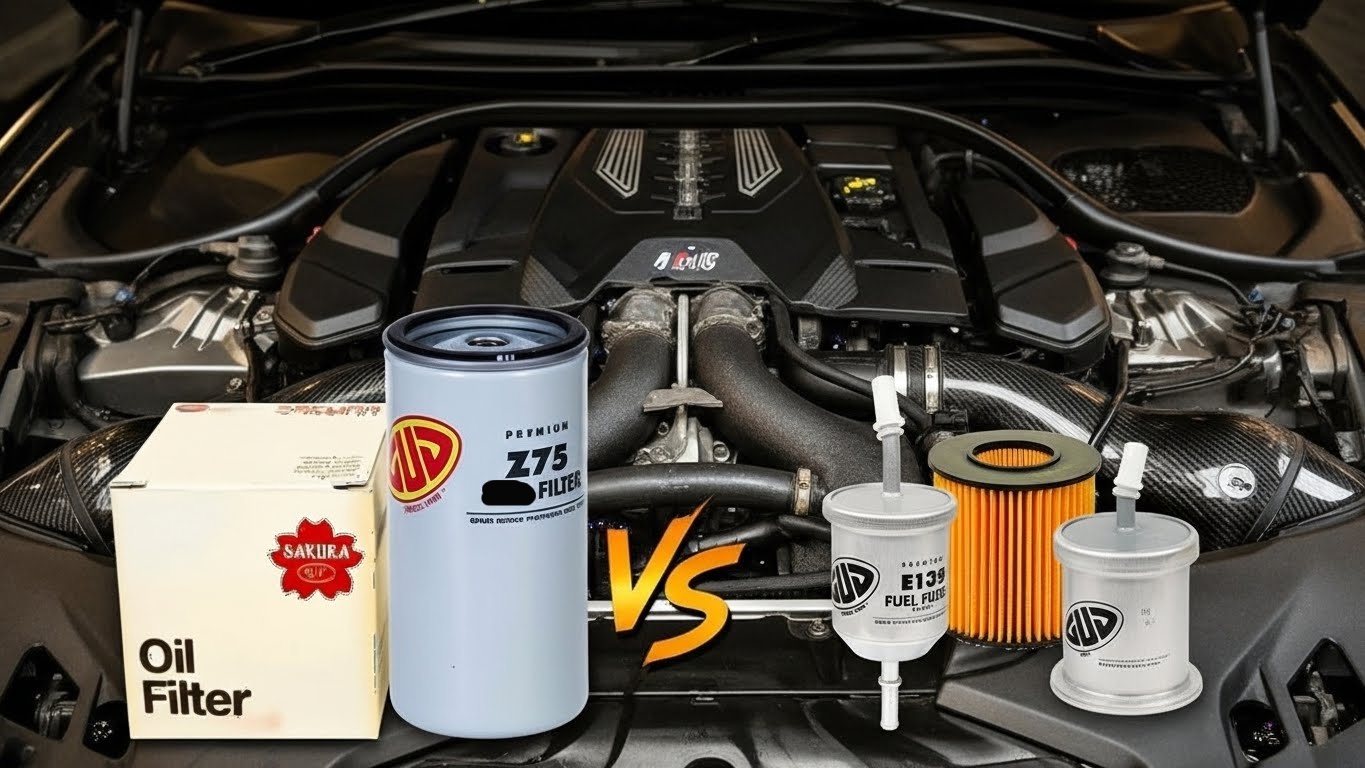
You rely on fuel filters to trap dirt, rust, and water from fuel before it reaches injectors, ensuring clean combustion. Oil filters remove metal particles and sludge from engine oil to protect internal components and maintain lubrication.
Fuel filters usually last longer and reside near the fuel tank, whereas oil filters mount on the engine and need more frequent changes. Although both prevent contamination, their designs and replacement intervals differ.
Understanding these distinctions helps optimize your engine’s health.


| Feature | Fuel Filter | Oil Filter |
|---|---|---|
| Primary Function | Removes dirt, rust, and water from fuel | Traps metal particles, sludge, and debris from oil |
| Fluid Filtered | Gasoline or diesel fuel | Engine oil |
| Typical Location | Along fuel line or near fuel tank | Mounted on engine block |
| Contaminants Removed | Dirt, rust, moisture | Metal shavings, carbon, sludge |
| Replacement Interval | 20,000–40,000 miles or more | 3,000–7,500 miles |
| Operating Conditions | Low-viscosity, cooler fluid | High-temperature, high-viscosity fluid |
| Impact if Clogged | Poor starting, reduced power | Engine wear, overheating |
While both fuel filters and oil filters play critical roles in engine maintenance, their primary functions target distinct contaminants to guarantee peak performance.
Fuel and oil filters each target specific contaminants to ensure your engine runs at its best.
You rely on fuel filters to trap dirt, rust, and debris from fuel before it reaches the combustion chamber, injectors, and pumps. They remove up to 99% of particulates as small as 25 microns and separate water from fuel, preventing corrosion and maintaining smooth fuel flow.
The fuel filtration system usually includes both primary and secondary filters to capture contaminants of various sizes, ensuring comprehensive protection fuel filter locations. Diesel fuel filters also incorporate water separators to handle moisture contamination more effectively.
In contrast, oil filters focus on removing metal particles, sludge, and combustion byproducts from circulating engine oil. You depend on oil filters to maintain oil cleanliness, which is essential for lubricating and cooling engine components. This prevents abrasive wear and extends engine life.
In most vehicles, fuel filters are commonly positioned along the frame rail or near the fuel tank under the vehicle. You can access them after lifting the car with a jack and stands.
They mount securely to brackets with clamps or bolts, often near the back wheel, facilitating straightforward replacement. In fuel-injected vehicles, the filter is typically found in the high-pressure fuel line, which may be located under the vehicle or within the engine compartment.
Some models locate the fuel filter within the engine bay, integrated into a self-contained canister or attached directly to the carburetor in older designs. Conversely, oil filters are almost always engine-mounted, externally threaded onto the engine block near the oil pan.
Modern engines may utilize internal cartridge filters within the oil pan or oil pump housing, requiring oil pan removal for service. Always consult your vehicle’s service manual for precise filter locations and configurations, as they vary by make, model, and year.
Knowing where fuel and oil filters sit in your vehicle helps you understand their roles in protecting critical components.
Fuel filters target dirt, rust, and particles from gasoline or diesel, capturing contaminants as small as 1-10 microns. This includes rust from corroded tanks and water that condenses in the fuel system. They are typically found along the fuel line or inside the fuel tank, designed to avoid restricting fuel flow.
They prevent injector damage and corrosion by maintaining fuel purity. Proper installation and maintenance of filtration systems are essential to remove water from diesel and ensure fuel quality.
In contrast, oil filters capture larger particles, typically 5-30 microns, including metal shavings, carbon deposits, and combustion byproducts generated within the engine.
These filters are usually located on or near the engine block and have a more complex design to handle higher pressure and thicker oil. They remove wear-related debris that compromises oil lubrication, preserving engine components like pistons and bearings.
Both filters address environmental dirt and rust, but each is engineered to trap specific contaminants based on particle size and source. This ensures optimal fuel combustion and engine lubrication, contributing to smoother engine operation and reduced emissions.
Because fuel and oil filters serve distinct functions and face different operating conditions, their recommended replacement intervals vary markedly.
Oil filters typically require replacement every 3,000 to 7,500 miles or annually, depending on engine type and service conditions. Diesel and turbocharged gasoline engines typically recommended at ~3,000 miles or six months due to shortened oil change intervals.
Choosing a filter with high filtration efficiency can significantly enhance engine protection during these intervals. Fuel filters, conversely, last longer, ranging from 20,000 up to 100,000 miles, reflecting cleaner fuel systems and less frequent contamination.
| Filter Type | Gasoline Engines | Diesel/Turbo Engines |
|---|---|---|
| Oil Filter | 7,500 miles or 1 year | 3,000 miles or 6 months |
| Fuel Filter | 20,000 – 40,000 miles | 20,000 – 40,000 miles |
| Severe Service | Shortened intervals | 3,000 miles or 6 months |

Fuel filters use cellulose or synthetic media tailored for hydrocarbon compatibility and water separation, capturing 2-5 micron particles and efficiently removing water to prevent corrosion.
In contrast, oil filters utilize cellulose and fiberglass media designed to trap larger 10-20 micron wear particles and withstand chemical additives and high temperatures.
Fuel filters incorporate pleated paper elements within metal or plastic housings, often including water collection bowls.
Oil filters feature metal canisters with foam-soaked media and jet plates, sometimes with thermal chambers for impurity burnout.
Flow management adapts to fuel’s low viscosity and temperature sensitivity, whereas oil filters accommodate higher viscosity and heat transfer requirements.
High-efficiency oil filters like the Cat 1R-1808 offer superior contaminant control by capturing smaller particles, which can reduce operational costs over time.
Yes, a clogged fuel filter can markedly affect engine starting. It restricts fuel flow, leading to insufficient fuel reaching the injectors and preventing proper combustion.
You’ll notice longer cranking times, rough idling, or the engine failing to start entirely. Over time, this strain can damage the fuel pump and cause sensor alerts.
Regularly replacing the fuel filter guarantees peak fuel delivery, preventing these startup issues and maintaining engine performance.
You definitely shouldn’t drive with a dirty oil filter. It’s like forcing your engine to breathe through a clogged straw.
When the filter’s blocked, oil flow drops, causing poor lubrication, overheating, and metal-on-metal friction.
This leads to louder engine noises, reduced power, and increased wear.
Ignoring it risks severe engine damage, failure, and costly repairs.
Regular oil filter changes every 3,000 miles keep your engine running efficiently and safely.
You can identify a failing fuel filter by observing difficulty starting your engine, longer cranking times, and sluggish acceleration.
Pay attention to rough idling, engine stalling, or vibrations, especially at low speeds.
A check engine light may illuminate due to low fuel pressure, and you might notice poor gas mileage or strong fuel odors.
Diagnostic trouble codes like P0300 or P0171 often indicate fuel delivery issues linked to a clogged filter.
Yes, oil filters directly impact your fuel efficiency.
When your oil filter clogs, oil flow decreases, causing higher engine friction and inefficient lubrication.
This forces your engine to work harder, increasing fuel consumption.
Keeping your oil filter clean guarantees proper lubrication, reduces friction, and improves combustion efficiency, which can boost fuel economy by up to 2%.
Regular oil and filter changes are essential to maintain peak fuel efficiency and engine performance.
Imagine using a Victorian-era water wheel to separate fuel impurities.
Similarly, modern fuel filters effectively remove water from gasoline.
You’ll find specialized filters employing centrifugal force, gravity, and coalescing media to trap and separate water droplets.
This ensures dry fuel reaches your engine.
These filters can achieve 70-90% water removal efficiency, protecting components from corrosion and misfires.
Regular draining and maintenance optimize their performance, so you should monitor and service them diligently.
You can think of fuel and oil filters as your engine’s gatekeepers, each guarding essential pathways with distinct roles. While the fuel filter screens out impurities before they fuel combustion, the oil filter traps contaminants that threaten engine lubrication.
Knowing their unique locations, contaminants filtered, and replacement schedules helps you keep your engine running smoothly. By mastering these differences, you guarantee your vehicle’s heart beats strong and clean, avoiding costly breakdowns down the road.
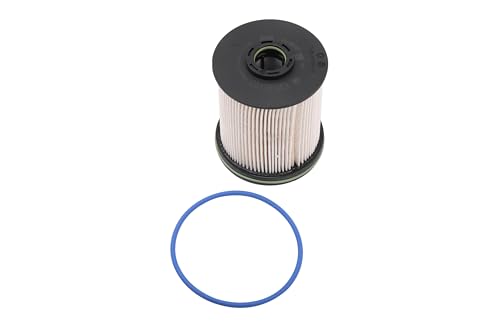
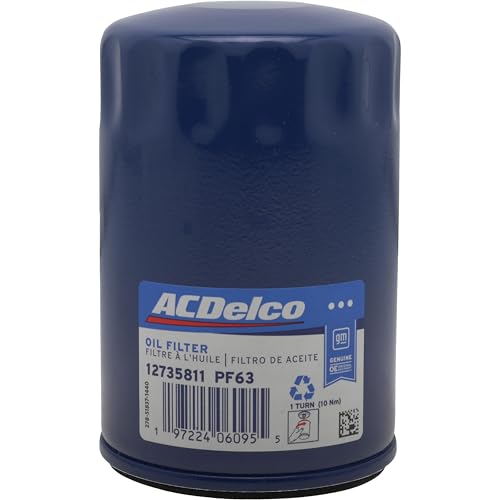
Last update on 2026-09-23 / Affiliate links / Images from Amazon Product Advertising API